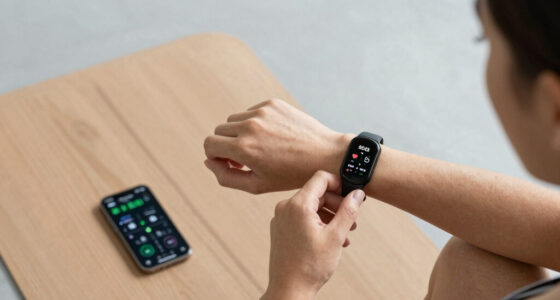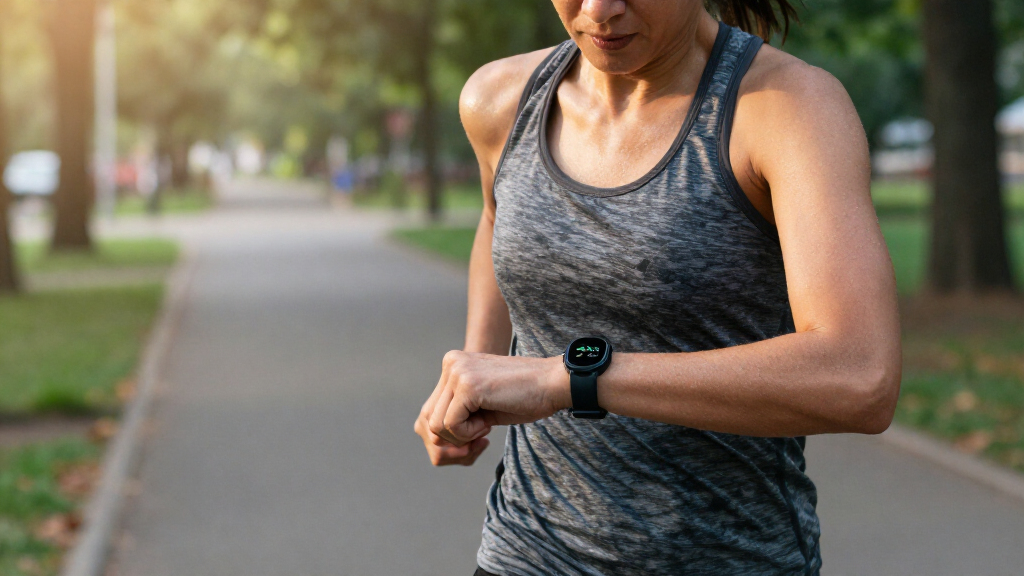

The Garmin vívoactive 5 is my best overall pick among these fitness trackers with heart rate monitors, thanks to its balance of activity tracking and smartwatch features. The Fitbit Inspire 3 is a simpler band option for everyday health tracking, while the Apple Watch SE 3 makes more sense for iPhone owners who want a smartwatch as well as workout data. The main tradeoff is between a comfortable, less distracting tracker and a larger device with more apps and controls. Heart-rate features and usability also vary, so a long list of metrics does not automatically mean a better fit. Read on for the full breakdown and guidance on choosing by phone, workout habits, and preferred style.

Get workout gear delivered free with Prime
- Fast, free delivery on millions of items
- Prime Video, Amazon Music and more included
- Member-only deals all year
Complete the kit



Key Takeaways
- The vívoactive 5 leads for balance: it offers a more fitness-centered smartwatch experience than the Apple Watch SE 3, while avoiding the screenless design of Fitbit Air.
- The Apple Watch SE 3 is the phone-ecosystem pick: its strongest case is for iPhone owners who want smartwatch functions alongside heart-rate tracking, not for buyers seeking a simple band.
- Fitbit Inspire 3 and Fitbit Air serve different habits: Inspire 3 has a display for quick checks, while the screenless Air keeps activity tracking less visible and less distracting.
- The budget-style watches make feature lists harder to compare: options such as the TRAUSI TG08 and generic tracker watches advertise many modes, but buyers should prioritize clear sensor and app details over mode counts.
- The two C60 listings are not interchangeable: the Fininv C60 specifically lists an AMOLED screen and blood-oxygen tracking, while the other C60 listing emphasizes heart-rate and sleep monitoring.
| Garmin vívoactive 5 GPS Smartwatch, 42 mm, Orchid |  | Best Overall for GPS-Based Training | Display: AMOLED touchscreen | Case size: 42 mm | Battery life: Up to 11 days in smartwatch mode | VIEW LATEST PRICE | See Our Full Breakdown |
| Apple Watch SE 3 GPS 40mm Smartwatch |  | Best for iPhone Safety and Smart Features | Display size: 40 mm | Battery life: Up to 18 hours | Fast charging: Up to 8 hours of battery in 15 minutes | VIEW LATEST PRICE | See Our Full Breakdown |
| Google Fitbit Air Screenless Activity Tracker, Obsidian |  | Best Screenless Tracker for Continuous Wear | Display: Screenless | Battery life: Up to 7 days | Fast charging: 5 minutes provides up to 1 day of battery life | VIEW LATEST PRICE | See Our Full Breakdown |
| Fitness Tracker Smartwatch with Heart Rate, Step, Sleep, and Activity Monitoring |  | Best for Broad Basic Metrics | Connectivity: Bluetooth 5.0 | Sports modes: 17 | Battery life: 5–7 days | VIEW LATEST PRICE | See Our Full Breakdown |
| C60 Fitness Tracker with Heart Rate and Sleep Monitoring |  | Best Compact Display Pick | Display: 1.10-inch AMOLED touchscreen | Health tracking: Heart rate, sleep, breathing rate, heart-rate variability, and female health | Sports modes: 25 | VIEW LATEST PRICE | See Our Full Breakdown |
| Fitness Tracker Watch with Heart Rate Monitor and Pedometer |  | Best for Simple Daily Tracking | Metrics tracked: Heart rate, sleep duration, steps, calories, distance, and active time | Sport modes: 9 | Battery life: 5–7 days | VIEW LATEST PRICE | See Our Full Breakdown |
| TRAUSI TG08 Smartwatch with 1.83-Inch Display, Bluetooth Calling, and 120 Workout Modes |  | Best for Calls and Workout Variety | Display: 1.83-inch LCD, 240 × 284 resolution | Workout modes: 120 | Health tracking: Heart rate, sleep, and steps | VIEW LATEST PRICE | See Our Full Breakdown |
| Google Fitbit Air Special Edition Stephen Curry Screenless Tracker, Rye | 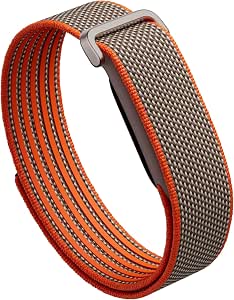 | Best Screenless Pick | Display: No display | Sensors: Optical heart rate, 3-axis accelerometer, gyroscope, skin temperature, and red and infrared SpO2 sensors | Water resistance: Up to 50 meters | VIEW LATEST PRICE | See Our Full Breakdown |
| Fininv C60 Fitness Tracker with AMOLED Screen, Heart Rate, Blood Oxygen and Sleep Monitoring |  | Best Small AMOLED Display | Display: 1.1-inch AMOLED touchscreen | Metrics tracked: Heart rate, blood oxygen, sleep, steps, distance, and calories | Additional reminders: Menstrual cycle, hydration, and sedentary reminders | VIEW LATEST PRICE | See Our Full Breakdown |
| Google Fitbit Inspire 3 Fitness and Health Tracker with Small and Large Bands |  | Best for Broader Health Tracking | Metrics tracked: Heart rate, sleep duration, stress, blood oxygen, and activity | Exercise modes: More than 40 | GPS: Via smartphone | VIEW LATEST PRICE | See Our Full Breakdown |
| MorePro Fitness Tracker with Heart Rate and Activity Monitoring |  | Best for Broad Everyday Health Tracking | Display: 1.47-inch touchscreen | Health tracking: Heart rate, blood pressure, on-demand blood oxygen | Activity tracking: Steps, distance, calories, sleep | VIEW LATEST PRICE | See Our Full Breakdown |
| fitness trackers with heart rate monitor | Water resistance | Battery life | Compatibility | Display |
|---|---|---|---|---|
| Garmin vívoactive 5 GPS Smartw | 50 meters | Up to 11 days in smartwatch mode | — | AMOLED touchscreen |
| Apple Watch SE 3 GPS 40mm Smar | — | Up to 18 hours | — | — |
| Google Fitbit Air Screenless A | Up to 50 meters | Up to 7 days | Android 11.0 or higher; iOS 16.4 or higher | Screenless |
| Fitness Tracker Smartwatch wit | IP68; listed water resistance depth of 30 meters | 5–7 days | Android 4.4 or above; iOS 9.0 or above | — |
| C60 Fitness Tracker with Heart | IP68 | Up to 7 days; up to 15 days standby | Android 5.0 or later; iOS 9.0 or later | 1.10-inch AMOLED touchscreen |
| Fitness Tracker Watch with Hea | IP68; listed depth of 50 meters | 5–7 days | iOS 8.0 or Android 4.0 and above; Bluetooth 4.0 or above | — |
| TRAUSI TG08 Smartwatch with 1. | IP67; stated depth of 1 meter | — | iOS 9.0+ and Android 5.0+ | 1.83-inch LCD, 240 × 284 resolution |
| Google Fitbit Air Special Edit | Up to 50 meters | Up to 7 days | Android 11.0 or later; Apple iOS 16.4 or later | No display |
| Fininv C60 Fitness Tracker wit | IP68 | Up to 7 days regular use; up to 15 days standby | Android 5.0 or later; iOS 9.0 or later | 1.1-inch AMOLED touchscreen |
| Google Fitbit Inspire 3 Fitnes | 50 meters; IP68 | — | iOS 16.4 or later; Android 11.0 or later | — |
| MorePro Fitness Tracker with H | IP68 | Up to 7 days; up to 10 days standby | Android 7.0 or later; iOS 13.0 or later | 1.47-inch touchscreen |
More Details on Our Top Picks
Garmin vívoactive 5 GPS Smartwatch, 42 mm, Orchid
The vívoactive 5 is my strongest pick for buyers who want a heart-rate tracker that can also support structured outdoor workouts. Its built-in GPS records routes without relying on a phone, while more than 30 sports apps and sleep and Body Battery tracking give heart-rate readings broader activity and recovery context. Compared with the Apple Watch SE 3, it can go much longer between charges, with up to 11 days in smartwatch mode rather than up to 18 hours. That makes overnight wear and multi-day activity tracking easier to maintain. The tradeoff is a less phone-centered feature set: some connectivity functions need a paired smartphone, and its health metrics are estimates, not medical measurements. I’d choose it over the simpler C60 if independent GPS and a wider range of sports tools matter more than a basic tracker format.
Pros:- Built-in GPS records outdoor routes without a phone
- Up to 11 days of battery life supports continuous wear
- More than 30 sports apps offer broad workout coverage
- Sleep coaching, Body Battery, music storage, and Garmin Pay add useful daily tools
Cons:- Health metrics are estimates and should not replace medical advice
- Some connectivity features require a paired smartphone
Best for: Runners, walkers, and active users who want built-in GPS, frequent heart-rate tracking, and fewer charging interruptions.
Not ideal for: Buyers who want a simple, screenless band or who expect every health reading to serve as a medical measurement.
- Display:AMOLED touchscreen
- Case size:42 mm
- Battery life:Up to 11 days in smartwatch mode
- GPS:Built-in
- Sports apps:More than 30
- Water resistance:50 meters
- Heart-rate tracking:Optical heart rate monitor
- Band material:Silicone
Our verdict“Choose the vívoactive 5 if you want built-in GPS and broad training features alongside heart-rate tracking, and prefer longer battery life to the Apple Watch SE 3’s phone-focused experience.”
Apple Watch SE 3 GPS 40mm Smartwatch
For iPhone owners who want heart-rate and workout tracking woven into a connected smartwatch, the Apple Watch SE 3 offers a different priority from the Garmin vívoactive 5. It adds calls, texts, notifications, and fall and crash detection with emergency assistance, which can matter as much as workout records for someone who wears a watch all day. Health tools include sleep tracking, temperature sensing, and Cycle Tracking. Fast charging can add up to eight hours of battery in 15 minutes, but the up to 18-hour battery life still makes frequent charging part of the routine. The Garmin is a better fit for longer stretches away from a charger and built-in GPS-focused training; this Apple model makes more sense when iPhone connectivity and safety functions lead the decision. Its stated connectivity depends on an iPhone or Wi-Fi.
Pros:- Fall and crash detection can connect users with emergency assistance
- Tracks health metrics, sleep, and varied workouts
- Supports calls, texts, music, and notifications
- Fast charging provides up to eight hours of battery in 15 minutes
Cons:- Up to 18 hours of battery life can mean charging every day
- Connectivity depends on an iPhone or Wi-Fi
- Siri AI rollout is limited to English
Best for: iPhone users who want heart-rate and workout tracking plus connected calls, notifications, and emergency safety features.
Not ideal for: People who want multi-day battery life, phone-independent connectivity, or a tracker that works without an iPhone or Wi-Fi connection.
- Display size:40 mm
- Battery life:Up to 18 hours
- Fast charging:Up to 8 hours of battery in 15 minutes
- Connectivity:GPS; iPhone or Wi-Fi
- Health features:Temperature sensing, sleep score, sleep apnea notifications, and Cycle Tracking
- Safety features:Fall detection, crash detection, and emergency assistance
- Manufacturer:Apple
- Item weight:0.704 ounces
Our verdict“Pick the Apple Watch SE 3 if iPhone connectivity and safety features matter more to you than the Garmin vívoactive 5’s longer battery life.”
Google Fitbit Air Screenless Activity Tracker, Obsidian
The Fitbit Air takes a quieter approach to heart-rate tracking: it has no screen, so workout stats and notifications do not compete for attention on your wrist. Its lightweight band is designed for day-and-night wear, and the sensor set tracks heart rate, movement, skin temperature variation, and blood oxygen. That makes it a more discreet option than the display-equipped C60 Fitness Tracker, whose AMOLED screen puts workout information directly on the wrist. The Fitbit Air instead leans on personalized coaching through Google Health, with premium coaching requiring a separate subscription after the trial. Battery life is advertised at up to seven days, and five-minute charging can provide up to a day of use. GPS is smartphone-based, so I’d skip it for phone-free route tracking; the vívoactive 5 has built-in GPS for that job.
Pros:- Screenless design keeps wristwear simple and distraction-free
- Lightweight adjustable band is designed for day and night use
- Tracks heart rate, movement, skin temperature variation, and blood oxygen
- Advertised battery life of up to seven days, with quick top-ups
Cons:- GPS functionality relies on a connected smartphone
- Google Health Premium coaching requires a separate subscription after the trial
Best for: People who want a lightweight, screen-free band for day-and-night heart-rate and activity tracking, and are comfortable using a phone for GPS.
Not ideal for: Buyers who want workout stats on their wrist, built-in GPS, or ongoing coaching without a separate subscription.
- Display:Screenless
- Battery life:Up to 7 days
- Fast charging:5 minutes provides up to 1 day of battery life
- Band size:One size, 130–210 mm
- Sensors:3-axis accelerometer, gyroscope, optical heart rate monitor, device temperature sensor, red and infrared SpO2 sensors
- Water resistance:Up to 50 meters
- Compatibility:Android 11.0 or higher; iOS 16.4 or higher
- Band material:Google Performance Loop Band
Our verdict“Choose the Fitbit Air over the screen-equipped C60 if discreet all-day wear matters more than seeing stats or routes on the tracker itself.”
Fitness Tracker Smartwatch with Heart Rate, Step, Sleep, and Activity Monitoring
This tracker suits buyers who want a range of everyday metrics in one straightforward device, rather than advanced training tools. Alongside heart-rate monitoring, it lists steps, sleep, calories, blood oxygen, and blood pressure, plus 17 sports modes and phone notifications. That is a wider list of stated measurements than the Google Fitbit Air, which focuses on screenless wear and its sensor set, but the differences in product design matter: this model has a touchscreen and a metal case, while the Fitbit is built to be unobtrusive day and night. The main compromise for exercise tracking is no GPS; route tracking will not come from the watch itself. Its IP68 rating and 5–7-day battery claim make it a practical basic option, but the supplied data does not establish medical-grade accuracy for its health readings.
Pros:- Lists heart rate, steps, sleep, blood oxygen, blood pressure, and calories
- Includes 17 sports modes and sleep analysis
- Shows call, calendar, SMS, and social notifications
- IP68 water resistance and a stated 5–7-day battery life
Cons:- No GPS for recording routes from the tracker
- Health readings are not established as medical-grade measurements
- Charging requires removing the band and connecting it on the correct side
Best for: Budget-conscious everyday users who want heart-rate, sleep, step, and several other listed metrics with smartphone notifications.
Not ideal for: Runners and cyclists who need GPS routes, or anyone choosing a tracker for verified medical-grade blood-pressure readings.
- Connectivity:Bluetooth 5.0
- Sports modes:17
- Battery life:5–7 days
- Water resistance:IP68; listed water resistance depth of 30 meters
- Metrics:Heart rate, steps, blood pressure, blood oxygen, sleep duration, and calories burned
- GPS:None
- Compatibility:Android 4.4 or above; iOS 9.0 or above
- Case and band materials:Metal case; silicone band
Our verdict“Choose this model over the screenless Fitbit Air if you want a display and a broader list of basic metrics, but skip it if built-in GPS is a priority.”
C60 Fitness Tracker with Heart Rate and Sleep Monitoring
The C60 is a compact, display-first choice for buyers who want to check heart-rate and activity information directly on their wrist. Its 1.10-inch AMOLED touchscreen and customizable watch faces give it a more watch-like feel than the screenless Fitbit Air, while 25 sports modes add more workout variety than the basic 17-mode tracker listed here. It also tracks sleep, breathing rate, heart-rate variability, and female health, with up to seven days of battery life. The main limitation for outdoor exercise is smartphone-connected GPS: the phone must supply route data, unlike the Garmin vívoactive 5’s built-in GPS. This C60 also offers no stated independent GPS tracking. Health measurements are for reference and do not replace medical advice, so I’d treat its heart-rate and sleep data as everyday guidance rather than clinical information.
Pros:- 1.10-inch AMOLED touchscreen makes wrist-side information easy to view
- Tracks heart rate, sleep, breathing rate, heart-rate variability, and female health
- 25 sports modes offer a broad choice of workout categories
- Up to seven days of battery life and phone notifications
Cons:- GPS works through a connected smartphone rather than the tracker itself
- Health measurements are for reference and do not replace medical advice
- Charging takes about two hours
Best for: Buyers who want a small AMOLED-screen tracker for heart-rate, sleep, and varied workouts, and carry a phone during outdoor exercise.
Not ideal for: Phone-free runners or anyone who needs built-in GPS, or who expects tracker readings to provide medical advice.
- Display:1.10-inch AMOLED touchscreen
- Health tracking:Heart rate, sleep, breathing rate, heart-rate variability, and female health
- Sports modes:25
- GPS:Via smartphone
- Battery life:Up to 7 days; up to 15 days standby
- Charging time:2 hours
- Water resistance:IP68
- Compatibility:Android 5.0 or later; iOS 9.0 or later
Our verdict“Pick the C60 over the Fitbit Air if you want an on-wrist display and more workout modes, but choose the Garmin vívoactive 5 for built-in GPS.”
Fitness Tracker Watch with Heart Rate Monitor and Pedometer
This is a straightforward pick for buyers who mainly want heart rate, sleep, and everyday activity tracking without a crowded smartwatch feature set. Its nine sport modes, sedentary reminders, and stated 5–7-day battery life cover basic routines, while IP68 protection suits regular exposure to water. Compared with the TRAUSI TG08, it keeps the focus on core tracking rather than adding Bluetooth calls, Alexa, and a large workout library. The tradeoff is that this model cannot make calls or send texts, and some settings and notifications depend on a compatible phone app despite the phone-free claim. GPS also relies on a smartphone, so it is better for routine tracking than phone-free route recording.
Pros:- Tracks heart rate, sleep, steps, calories, distance, and active time
- Nine sport modes plus alarms, a stopwatch, and sedentary reminders
- Stated 5–7-day battery life
- IP68 water-resistance rating
Cons:- Some settings and notifications require a compatible smartphone app
- Cannot make calls or send texts
- GPS is available only through a connected smartphone
Best for: People who want heart-rate and sleep tracking, basic workout modes, and reminders without needing calls or a large smartwatch feature set
Not ideal for: Buyers who want calls, texts, or GPS tracking without carrying a smartphone
- Metrics tracked:Heart rate, sleep duration, steps, calories, distance, and active time
- Sport modes:9
- Battery life:5–7 days
- Charging time:2 hours
- Water resistance:IP68; listed depth of 50 meters
- Compatibility:iOS 8.0 or Android 4.0 and above; Bluetooth 4.0 or above
- GPS:Via smartphone
- Band:Silicone; 22 mm wide and 25.3 cm long
Our verdict“Choose this tracker for core heart-rate and daily activity monitoring; pick the TRAUSI TG08 instead if calls and a broader activity menu matter more.”
TRAUSI TG08 Smartwatch with 1.83-Inch Display, Bluetooth Calling, and 120 Workout Modes
The TG08 is the most feature-heavy choice here for buyers who want heart-rate tracking alongside smartwatch functions. Its 120 workout modes offer more activity selection than the nine on the basic Fitness Tracker Watch with Heart Rate Monitor and Pedometer, and the 1.83-inch screen, Bluetooth calling, and Alexa make it more useful for quick interactions. That breadth comes with compromises: its IP67 rating is listed to one meter, below the Fitbit Inspire 3’s 50-meter water resistance, and the case is plastic. GPS also depends on a connected phone. The step counter reportedly starts after 20 steps, which can make very short bursts of movement less visible. Consider it for everyday wear and varied workouts, not phone-free GPS or deeper water use.
Pros:- Tracks heart rate, sleep, and steps across more than 120 activities
- Bluetooth calling, Alexa, and notifications add on-wrist convenience
- Large 1.83-inch LCD touchscreen
- Battery rated for 5–7 days of normal use or up to 30 days on standby
Cons:- GPS requires a connected smartphone
- Step counting starts after 20 steps
- IP67 rating is listed to a depth of one meter, less than the Fitbit Inspire 3’s stated 50-meter resistance
Best for: People who want heart-rate and sleep tracking, many workout modes, and Bluetooth calls from a large-screen watch
Not ideal for: Swimmers seeking stronger stated water protection or runners who want GPS without a smartphone
- Display:1.83-inch LCD, 240 × 284 resolution
- Workout modes:120
- Health tracking:Heart rate, sleep, and steps
- Water resistance:IP67; stated depth of 1 meter
- Battery:350 mAh; 5–7 days normal use or up to 30 days standby
- Connectivity:Bluetooth; GPS via smartphone
- Compatibility:iOS 9.0+ and Android 5.0+
- Case and band:Plastic case; 22 mm band, 25 cm long
Our verdict“Pick the TG08 if calls and broad workout selection matter more than stronger water protection or standalone GPS.”
Google Fitbit Air Special Edition Stephen Curry Screenless Tracker, Rye
This Fitbit takes a different approach to heart-rate tracking: it has no display, keeping its lightweight design suited to workouts, daily wear, and sleep without notifications or screen checks competing for attention. Its optical heart-rate sensor sits alongside blood-oxygen and skin-temperature sensors, while up to seven days of battery life and water resistance to 50 meters support regular wear. Compared with the Fitbit Inspire 3, this is the more discreet choice, but the Inspire 3 is easier for buyers who want on-device information and exercise modes. GPS on this model still needs a smartphone, and a screenless design means readings must be checked elsewhere. Google Health Premium is sold separately, so buyers should factor in that added service requirement.
Pros:- Screenless design suited to wearing during workouts and sleep
- Tracks heart rate, activity, blood oxygen, and skin-temperature variation
- Water resistant up to 50 meters
- Up to seven days of battery life, with five-minute fast charging for up to one day of use
Cons:- No display for checking readings on the tracker
- GPS requires a smartphone
- Google Health Premium subscription is sold separately
Best for: People who prioritize a lightweight, screen-free tracker for heart-rate monitoring during workouts and sleep
Not ideal for: Buyers who want to read heart-rate data or notifications directly on the tracker, or use GPS without a phone
- Display:No display
- Sensors:Optical heart rate, 3-axis accelerometer, gyroscope, skin temperature, and red and infrared SpO2 sensors
- Water resistance:Up to 50 meters
- Battery life:Up to 7 days
- Fast charging:Up to 1 day of battery life in 5 minutes
- GPS:Via smartphone
- Compatibility:Android 11.0 or later; Apple iOS 16.4 or later
- Band and weight:Google Performance Loop Band, 130–210 mm; 49 g
Our verdict“Choose this screenless Fitbit if unobtrusive all-day heart-rate tracking matters more than viewing data on your wrist.”
Fininv C60 Fitness Tracker with AMOLED Screen, Heart Rate, Blood Oxygen and Sleep Monitoring
The Fininv C60 pairs heart-rate and blood-oxygen monitoring with a compact 1.1-inch AMOLED touchscreen, giving buyers an at-a-glance display without the larger watch face of the TRAUSI TG08. It also tracks sleep and everyday activity, and its hydration, menstrual-cycle, and sedentary reminders add practical prompts beyond workout logging. The up-to-seven-day regular-use battery claim is competitive with the Fitbit Inspire 3, although this listing provides less detail about exercise modes and automatic workout tracking. Call and message notifications are available, but the tracker requires Bluetooth setup through the Keep Health app. Its warranty duration is unclear in the supplied listing, a drawback for shoppers who value clearly stated support terms.
Pros:- Tracks heart rate, blood oxygen, sleep, steps, distance, and calories
- Compact 1.1-inch AMOLED touchscreen with customizable watch faces
- Call and message notifications
- Up to seven days of regular-use battery life and IP68 water resistance
Cons:- Requires the Keep Health app and Bluetooth setup
- Warranty duration is unclear in the listing
- Workout-mode count and GPS details are not provided
Best for: Buyers who want a compact AMOLED screen, heart-rate and blood-oxygen tracking, and everyday reminder features
Not ideal for: People who want a clearly specified warranty or a documented large selection of workout modes
- Display:1.1-inch AMOLED touchscreen
- Metrics tracked:Heart rate, blood oxygen, sleep, steps, distance, and calories
- Additional reminders:Menstrual cycle, hydration, and sedentary reminders
- Water resistance:IP68
- Battery life:Up to 7 days regular use; up to 15 days standby
- Charging time:1–2 hours
- Connectivity:Bluetooth; Keep Health app required
- Compatibility:Android 5.0 or later; iOS 9.0 or later
Our verdict“Choose the Fininv C60 for a compact AMOLED heart-rate tracker with useful reminders, but favor the Fitbit Inspire 3 for better-documented exercise features.”
Google Fitbit Inspire 3 Fitness and Health Tracker with Small and Large Bands
The Inspire 3 is the strongest fit here for buyers who want heart-rate tracking within a broader health and exercise picture. Alongside daily activity and sleep, it tracks stress, blood oxygen, and skin temperature, and offers more than 40 exercise modes with automatic exercise tracking. That makes it more training-oriented than the basic Fitness Tracker Watch with Heart Rate Monitor and Pedometer, while its small and large included bands help accommodate different wrists. The tradeoff is phone dependence: GPS connects through a smartphone, so it is not a standalone route tracker. Some features require Fitbit Premium or vary by country, and its compatibility starts at iOS 16.4 or Android 11, which excludes older phones. It is a more rounded health tracker than the screenless Fitbit Air, but less discreet to wear.
Pros:- Tracks heart rate, sleep, stress, blood oxygen, skin temperature, and activity
- More than 40 exercise modes and automatic exercise tracking
- Water resistant to 50 meters with an IP68 rating
- Includes small and large bands
Cons:- GPS requires a nearby smartphone
- Some features require Fitbit Premium or vary by country
- Requires iOS 16.4 or later or Android 11 or later
Best for: People who want heart-rate monitoring alongside sleep, stress, blood-oxygen tracking, and a broad set of exercise modes
Not ideal for: Owners of older phones, runners who need phone-free GPS, or buyers who want every feature without a separate subscription
- Metrics tracked:Heart rate, sleep duration, stress, blood oxygen, and activity
- Exercise modes:More than 40
- GPS:Via smartphone
- Water resistance:50 meters; IP68
- Compatibility:iOS 16.4 or later; Android 11.0 or later
- Connectivity:Bluetooth
- Included bands:Small and large
- Case and band materials:Resin case; silicone band
Our verdict“Choose the Inspire 3 for a more complete set of heart-rate, health, and exercise tracking tools, provided your phone meets its compatibility requirements.”
MorePro Fitness Tracker with Heart Rate and Activity Monitoring
The MorePro suits buyers who want heart-rate monitoring alongside several everyday health and activity measures without moving to a more feature-rich smartwatch. Its 1.47-inch touchscreen and seven sports modes make activity summaries easy to check, while sleep tracking, notifications, and women’s health tracking add daily utility. Compared with the Google Fitbit Inspire 3, this model lists blood pressure tracking and customizable watch faces, giving it a wider set of features to explore. The tradeoff is that blood oxygen readings are on demand, not continuous, and its GPS relies on a connected phone. Up to seven days of use per charge also means more frequent charging than a tracker designed for longer stretches. I’d choose it for broad tracking basics, not advanced workout guidance.
Pros:- Combines heart-rate, sleep, step, distance, calorie, and blood pressure tracking
- Seven sports modes cover a range of basic workout tracking needs
- Call and app-message notifications add everyday convenience
- Up to seven days of battery life between charges
Cons:- GPS requires a connected smartphone
- Blood oxygen readings are on demand rather than continuous
- Not compatible with PCs, iPads, or tablets
Best for: Everyday users who want heart-rate, sleep, activity, and on-demand blood oxygen tracking, plus phone notifications, in one slim band
Not ideal for: Runners who want GPS tracking without carrying a phone, or buyers seeking continuous blood oxygen readings and advanced training tools
- Display:1.47-inch touchscreen
- Health tracking:Heart rate, blood pressure, on-demand blood oxygen
- Activity tracking:Steps, distance, calories, sleep
- Sports modes:7
- Water resistance:IP68
- Battery life:Up to 7 days; up to 10 days standby
- GPS:Via smartphone
- Compatibility:Android 7.0 or later; iOS 13.0 or later
Our verdict“Choose the MorePro if you want a broad set of everyday health and activity features in a slim tracker; skip it if phone-free GPS or continuous blood oxygen monitoring matters most.”
How We Picked
I ranked these products by how well their heart-rate tracking fits everyday use, then weighed the practical details around it: activity and sleep features, ease of reading workout data, comfort, phone compatibility, and how clearly the product information describes its capabilities. I gave more weight to a coherent, usable tracker than to a long list of advertised workout modes or health metrics.
The order also reflects who each device suits. A versatile, established smartwatch ranks ahead for buyers who want fitness tools and daily functions in one device; simpler bands follow for people who value a lighter, less distracting format. Screenless designs, entry-level watches, and listings with fewer details can still fit specific needs, but they rank lower when they offer less at-a-glance feedback or leave more uncertainty about the tracking experience. Heart-rate readings are useful for personal trend tracking, not a substitute for medical measurement.
| fitness trackers with heart rate monitor | GPS |
|---|---|
| Garmin vívoactive 5 GPS Smartw | Built-in |
| Apple Watch SE 3 GPS 40mm Smar | — |
| Google Fitbit Air Screenless A | — |
| Fitness Tracker Smartwatch wit | None |
| C60 Fitness Tracker with Heart | Via smartphone |
| Fitness Tracker Watch with Hea | Via smartphone |
| TRAUSI TG08 Smartwatch with 1. | — |
| Google Fitbit Air Special Edit | Via smartphone |
| Fininv C60 Fitness Tracker wit | — |
| Google Fitbit Inspire 3 Fitnes | Via smartphone |
| MorePro Fitness Tracker with H | Via smartphone |
Factors to Consider When Choosing Fitness Trackers With Heart Rate Monitor
Heart-rate monitoring is a starting point, not a complete measure of a tracker’s value. I’d match the device to how you exercise, how often you want to check the screen, and how much you rely on smartwatch features. These broader choices can matter more than extra metrics on the box.
Decide Whether You Want a Watch or a Band
A watch is easier to read during a workout and can put timers, notifications, and controls on your wrist. A slimmer band is usually less prominent, which may make it more comfortable for all-day wear and sleep. The common mistake is choosing by appearance alone, then finding that the screen is too small for workout checks or more distracting than desired. Think about when you’ll look at the data, not just whether the device can collect it. If you mainly review trends later in an app, a basic band may be enough; if you need live feedback, favor a readable display.
Match Heart-Rate Tracking to Your Workout
For steady walks and general activity, heart-rate trends can help show how effort changes over time. Interval training and fast changes in intensity place more demands on wrist-based readings, so check whether the device offers workout views that make live data easy to see. A high count of workout modes does not by itself prove that readings will be more useful or accurate. Fit matters too: a loose band can move during exercise, while an overly tight one can be uncomfortable. Choose a secure, wearable fit and treat heart-rate figures as guidance rather than clinical measurements.
Check Phone Compatibility Before Comparing Features
Smartwatch functions often depend on which phone you use, and some features may work differently across operating systems. Before choosing, check the companion app and confirm that the alerts, syncing, and data views you care about are supported by your phone. This is especially relevant when comparing an Apple Watch with fitness-first devices that work through their own apps. Buyers sometimes focus on the tracker’s feature list and only later discover that a preferred function depends on a particular phone. If you want a device mainly for activity and heart-rate trends, prioritize dependable syncing over extra phone controls.
Choose Metrics You Will Actually Use
More health measurements can sound appealing, but they only add value if you understand what they represent and check them consistently. Heart rate, sleep summaries, and activity trends answer different questions; one metric cannot stand in for the others. Blood-oxygen tracking, when offered, should not be treated as a diagnosis or a replacement for a dedicated medical device. Avoid paying attention to a longer spec list without checking how the app presents and explains the data. A smaller set of clear, repeatable trends can be more useful than a dashboard full of numbers you rarely consult.
Think About Comfort During Sleep and Daily Wear
A tracker only builds useful long-term trends when you wear it often, so comfort can matter as much as sensor features. Consider the device’s size, band style, screen brightness, and whether it will bother you while sleeping. Screenless trackers reduce visual interruptions, while a display makes quick checks easier; neither approach is right for everyone. If possible, look into band sizing and replacement options before buying, since a poor fit can make an otherwise capable tracker frustrating. Choose for the hours you plan to wear it, not only for the workout itself.
Separate Useful Features From Unclear Claims
Some listings emphasize large workout-mode counts or broad health-monitoring language without giving much detail about the app, sensors, or data presentation. Those claims are difficult to compare directly with a device whose capabilities are described more clearly. Check what is included, which phone app is required, and whether the product identifies the specific measurements it supports. Be cautious about assuming that two trackers with similar names or model numbers have identical screens and sensors. When key details are vague, favor the option whose everyday functions are easiest to verify.
Frequently Asked Questions
Can I use these trackers to diagnose a heart problem?
No. Wrist-based heart-rate tracking is intended to show activity and general trends, not diagnose a condition or replace medical equipment. Readings can vary with fit, movement, and the type of exercise. If you have symptoms or a health concern, contact a qualified clinician rather than relying on a tracker notification or number. For routine exercise, use the data as one source of context about effort and recovery.
Should I choose a screenless tracker or one with a display?
Choose screenless if you prefer fewer interruptions and usually review activity in an app after a workout. Pick a display if you want to check heart rate, time, or workout progress directly from your wrist. Screenless designs can be less convenient when you want immediate feedback, while a display may add bulk and visual distractions. The Fitbit Air and Fitbit Inspire 3 illustrate this distinction within the roundup. Your workout habits and comfort preferences matter more than a general claim that one format is better.
Is a smartwatch worth choosing over a simpler fitness band?
A smartwatch is a better fit if you’ll use its everyday functions, such as on-wrist controls and phone-connected features, as well as fitness tracking. If your priority is heart-rate trends, steps, and sleep, a simpler band may be easier to wear and less distracting. Consider phone compatibility before paying for features that may not work with your device. Also ask whether you want to interact with a screen during the day or mainly review data later. The best choice is the one whose extra functions become part of your routine.
Do more workout modes mean a tracker has better heart-rate monitoring?
No. A workout-mode count describes activity labels, not the quality or responsiveness of the heart-rate sensor. Clear live data, a secure fit, and an app that makes trends easy to understand are more useful clues for many buyers. A large mode list can still help if it includes activities you do regularly, but it should not decide the purchase on its own. Compare what each mode records and how the tracker displays the information. When those details are unclear, avoid treating the count as proof of better tracking.
How should I choose between the two C60 trackers in this roundup?
Start with the features each listing explicitly identifies rather than assuming the shared C60 name means they are the same device. The Fininv C60 listing specifies an AMOLED screen and blood-oxygen monitoring, while the other C60 listing focuses on heart-rate and sleep monitoring. Check the exact model, app requirements, and included band before ordering. If you do not need the added screen or extra measurement, the simpler listing may cover your stated needs. Treat blood-oxygen data as general wellness information, not a medical reading.
Conclusion
For most buyers, I recommend the Garmin vívoactive 5 as the best overall because it balances fitness tracking with smartwatch functionality. The best premium-style choice for iPhone owners is the Apple Watch SE 3, especially if they want more than exercise data; its phone ecosystem makes it a less universal pick. For a simpler everyday band, the Fitbit Inspire 3 is my beginner-friendly recommendation, while the screenless Fitbit Air suits anyone who prefers to check activity later rather than on the wrist. Buyers focused on feature-led alternatives can compare the C60 listings and TRAUSI TG08, but should verify app and sensor details instead of relying on long feature lists. Match the device to your phone, preferred screen style, and exercise routine, then choose the one you’re most likely to wear consistently.