
Digital payments are increasingly replacing cash, making a cashless society likely. With cryptocurrencies and mobile wallets providing faster, borderless, and secure transactions, more people prefer digital options over physical cash. As these technologies expand, cash becomes less relevant in daily life. However, to stay safe, you need to understand digital security best practices. Keep exploring to discover how these changes could impact your financial future and what you can do to stay protected.
Listen free for 30 days with Audible
Thousands of audiobooks and originals — cancel anytime.
As an affiliate, we earn on qualifying purchases.
Key Takeaways
- Digital payments and cryptocurrencies are rapidly replacing cash in everyday transactions, indicating a shift toward a cashless society.
- Cryptocurrencies enable secure, borderless, and faster transactions, reducing reliance on physical cash.
- Increasing adoption of mobile wallets and contactless cards enhances convenience but raises digital security concerns.
- While cash is becoming less common, some regions and demographics still prefer or rely on physical currency.
- Users must adopt strong digital security practices to protect their digital assets as cash becomes increasingly obsolete.
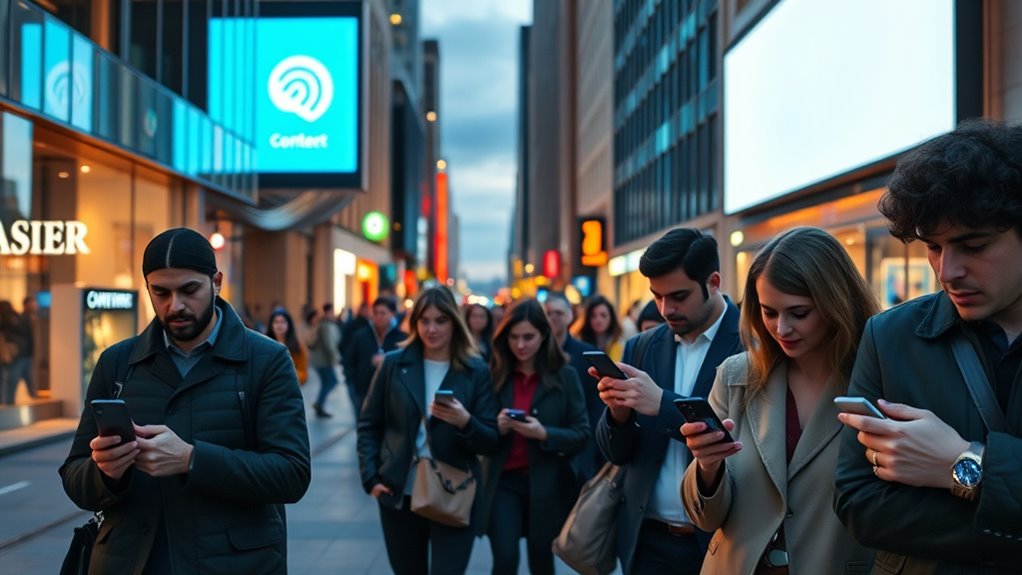
Have you ever wondered what life would be like without cash? In a world increasingly driven by digital payments, physical money seems to be losing its grip. More people are turning to electronic transactions, making cashless societies a real possibility. As you embrace this shift, you might notice how cryptocurrency adoption is playing a fundamental role in reshaping how we pay. Digital currencies like Bitcoin or Ethereum are becoming more mainstream, offering an alternative to traditional money. They provide a decentralized way to transfer value across borders, bypassing banks and reducing transaction times. This surge in cryptocurrency use signals a broader move toward digital economy solutions, where cash becomes less relevant.
Cryptocurrency is transforming payments by enabling decentralized, borderless transfers, making cash less relevant in the digital economy.
However, as you adopt these new payment methods, digital wallet security becomes a key concern. Your digital wallet holds the key to your funds, making it a tempting target for cybercriminals. Ensuring your wallet’s security involves more than just choosing a strong password; it’s about implementing multi-factor authentication, keeping your private keys safe, and staying vigilant about phishing scams. The more you rely on digital wallets, the more you need to understand how to protect your assets from potential threats. A breach could mean losing your hard-earned money, so taking proactive steps to secure your digital wallet should be a top priority. This focus on security is essential as digital payments become more widespread, especially with the rise of cryptocurrency integration into everyday transactions.
The transition to a cashless society offers undeniable convenience. You can pay with a tap of your phone or a quick scan, eliminating the need to carry physical bills or coins. Mobile payment apps and contactless cards streamline your shopping experience, allowing quick and contactless transactions. Yet, this convenience comes with its own set of risks and responsibilities. You need to stay informed about potential security vulnerabilities and how to safeguard your digital assets effectively. As digital wallets evolve and cryptocurrency adoption increases, so does the importance of understanding digital security best practices. This knowledge empowers you to navigate the cashless landscape confidently, ensuring your money remains safe regardless of how society moves forward.
In essence, a cashless society promises faster, more efficient transactions, but it also demands vigilance. By embracing digital payments and understanding the importance of digital wallet security, you can enjoy the benefits of a cashless world while protecting yourself from emerging digital threats. As technology continues to advance, staying informed and cautious guarantees that you won’t just be a passive participant but an informed user in this new digital economy. The increasing use of digital currencies highlights the importance of understanding how to secure your funds and transactions effectively.
Top picks for "cashles society digital"
As an affiliate, we earn on qualifying purchases.
Frequently Asked Questions
How Secure Are Digital Payment Methods Against Cyber Threats?
Digital payment methods are generally secure, thanks to strong encryption protocols that protect your data during transactions. Banks and payment providers also implement advanced fraud prevention measures to detect and prevent unauthorized access. However, you should still stay vigilant, use strong passwords, and enable two-factor authentication. While no system is completely invulnerable, these security features markedly reduce your risk of cyber threats and keep your digital payments safer.
What Happens During a Digital Payment System Outage?
Like a ship losing its compass in a storm, a digital payment system outage leaves you stranded. During such times, offline transactions become your lifeline, allowing you to complete purchases without internet. Payment recovery efforts kick in, often involving manual processes or backup systems. While frustrating, these outages remind you of the importance of having alternative payment methods, ensuring you stay afloat until the digital tide resumes.
Can Digital Payments Be Used for Small, Informal Transactions?
Yes, digital payments like mobile payments and peer-to-peer transfers are perfect for small, informal transactions. You can quickly send money to friends or pay for items without cash, making these methods convenient and efficient. Whether it’s splitting a coffee bill or giving a small gift, digital payments simplify the process, ensuring you can handle casual transactions on the go without needing physical cash.
How Do Digital Currencies Impact Traditional Banking Systems?
Digital currencies impact traditional banking systems by accelerating cryptocurrency adoption, challenging banking regulation, and prompting banks to innovate. You see banks adapting to new technologies, adopting digital currencies, and updating regulations to stay competitive. This shift forces banks to rethink security, compliance, and customer engagement, creating a dynamic environment where traditional banking evolves alongside digital currencies. Your financial landscape transforms as digital currencies reshape how you bank, invest, and manage money daily.
What Are the Privacy Implications of Cashless Transactions?
You should be aware that cashless transactions raise privacy concerns because digital payments often involve extensive data tracking. Every purchase you make can be monitored, stored, and analyzed, potentially exposing your spending habits. This data collection can be used for targeted advertising or even shared with third parties. To protect your privacy, consider using encryption tools or opting for payment methods that prioritize confidentiality.
Conclusion
As you embrace digital payments, it’s clear cash is becoming less essential. But have you ever wondered if relying solely on technology might leave you vulnerable in a world where access to your money is just a click away? While convenience grows, so do concerns about privacy and security. Will cash survive the digital wave, or will it become a relic of the past? Ultimately, the choice is yours—are you ready to go cashless?
NFL season / tailgating Picks
team gear
As an affiliate, we earn on qualifying purchases.