To save your eyes, follow the 20-20-20 rule: every 20 minutes, look at something 20 feet away for 20 seconds, and mix in eye exercises like rotating or focusing on near and far objects. Adjust your ambient lighting to reduce glare and set your screen brightness to match your environment. Use blue light filters, take regular breaks, and incorporate relaxing eye routines. Keep exploring for more tips to protect your vision effectively.
Open a free Amazon Business account
Business pricing, bulk buying and tax-exempt orders.
As an affiliate, we earn on qualifying purchases.
Key Takeaways
- Follow the 20-20-20 rule: look at something 20 ft away for 20 seconds every 20 minutes of screen time.
- Adjust ambient lighting with soft, diffused lights and position screens to minimize glare and reflections.
- Enable blue light filters on devices, especially during evening hours, and use screen brightness suitable for surroundings.
- Incorporate regular eye exercises like rotating eyes and focusing on near and far objects to relax eye muscles.
- Take frequent breaks, use air purifiers for indoor air quality, and maintain proper workspace ergonomics for overall eye comfort.
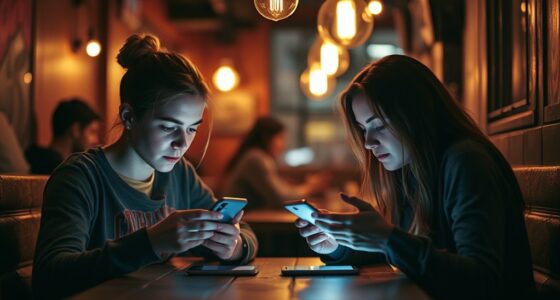
In today’s digital age, many people spend hours in front of screens, which can lead to eye strain and exposure to harmful blue light. If you’re noticing tired, aching eyes or headaches after long screen sessions, it’s time to take proactive steps to protect your vision. One effective method is practicing eye exercises. These exercises help reduce fatigue by strengthening eye muscles and improving focus. For example, you can try the 20-20-20 rule: every 20 minutes, look at something 20 feet away for at least 20 seconds. This simple practice relaxes your ciliary muscles, easing eye tension. You might also rotate your eyes in different directions or focus on near and far objects alternately to enhance flexibility. Incorporating these exercises into your routine can make a noticeable difference in how your eyes feel after extended screen time.
Another key factor in reducing eye strain is optimizing ambient lighting. Bright, harsh lights or glare can worsen eye discomfort, so it’s important to create a comfortable environment. Aim for softer, diffused lighting that minimizes reflections on your screen. If you’re working in a room with windows, try to position your screen to avoid direct sunlight or glare from outside. Using adjustable lamps with warm-toned bulbs can help maintain a balanced lighting scheme that reduces eye fatigue. Dim lighting combined with screen brightness that’s appropriate for your environment is ideal. When your ambient lighting is just right, your eyes won’t have to work as hard to adapt to different light levels, which considerably cuts down on strain and blue light sensitivity. Additionally, investing in air purifiers can improve indoor air quality, helping your eyes stay comfortable and reducing irritation caused by pollutants.
It’s also helpful to adjust your screen settings to reduce blue light exposure. Many devices have built-in features or apps that filter blue light, especially during evening hours. Pair this with the right ambient lighting, and you’ll create a more eye-friendly workspace. Remember, taking regular breaks and practicing eye exercises, along with maintaining proper ambient lighting, forms a thorough approach to eye health. These small adjustments can prevent discomfort, improve your focus, and protect your vision over the long term. By consciously managing your environment and habits, you’ll find it easier to work comfortably and reduce the risk of digital eye strain. Your eyes will thank you for these simple but effective changes, allowing you to enjoy your screen time without unnecessary discomfort.
As an affiliate, we earn on qualifying purchases.
Frequently Asked Questions
Can Blue Light Glasses Fully Block Harmful Blue Light?
Blue light glasses can’t fully block all harmful blue light, but they do provide effective blue light protection. The effectiveness of your eyewear depends on the quality and lens tint; some glasses filter more blue light than others. While they won’t eliminate blue light completely, wearing them can markedly reduce eye strain and improve comfort during screen time, making them a worthwhile addition to your eye health routine.
Are There Natural Remedies to Improve Eye Health From Screen Exposure?
Yes, you can improve your eye health naturally from screen exposure. Herbal supplements like bilberry or ginkgo biloba may support eye health, while regular eye exercises can reduce strain and strengthen your eye muscles. Make sure to take breaks, blink often, and maintain good lighting. Combining these habits helps protect your eyes from digital strain and enhances overall eye comfort during prolonged screen use.
How Does Screen Time Affect Children’s Eyesight Long-Term?
Imagine a child who spends hours daily on screens, and over time, they develop digital eye strain. Long-term, excessive screen time can lead to issues like nearsightedness and hinder childhood vision development. You might notice increased eye discomfort, headaches, or blurred vision as early signs. It’s essential to set limits and encourage outdoor activities to protect your child’s eyesight and reduce potential long-term effects on their vision health.
Do Screen Filters on Smartphones Reduce Eye Strain Effectively?
Screen filters on smartphones can improve screen filter effectiveness by reducing blue light, which may help lessen eye strain. While they don’t eliminate all discomfort, using these filters supports your smartphone eye health by decreasing glare and eye fatigue. To maximize benefits, combine filters with regular breaks and proper lighting. Remember, consistent use of screen filters contributes to better eye comfort during prolonged screen time.
What Are the Signs of Serious Eye Damage From Blue Light?
If you notice persistent eye fatigue or vision distortion, it could be a sign of serious eye damage from blue light. You might experience headaches, blurry vision, or difficulty focusing, which shouldn’t be ignored. These symptoms indicate your eyes are strained or harmed, so it’s important to take regular breaks, reduce screen time, and consult an eye care professional to prevent further damage. Your eyes need proper care to stay healthy.
ergonomic desk lamp with adjustable brightness
As an affiliate, we earn on qualifying purchases.
As an affiliate, we earn on qualifying purchases.
Conclusion
By adjusting your screen settings, taking regular breaks, and using blue light filters, you protect your eyes from strain and damage. Staying mindful of your posture, blinking frequently, and practicing eye exercises keep your vision clear and comfortable. Embrace these habits, prioritize your eye health, and create a balanced digital routine. With these simple steps, you can reduce strain, lessen exposure, and enjoy your screens without sacrificing your eye comfort.
screen glare reducing monitor hood
As an affiliate, we earn on qualifying purchases.
As an affiliate, we earn on qualifying purchases.
blue light blocking screen protector
As an affiliate, we earn on qualifying purchases.
As an affiliate, we earn on qualifying purchases.
Fall Picks
fall essentials
As an affiliate, we earn on qualifying purchases.