
TL;DR

Get workout gear delivered free with Prime
- Fast, free delivery on millions of items
- Prime Video, Amazon Music and more included
- Member-only deals all year
Delhi is experiencing a significant increase in H1N1 influenza cases this season. Medical experts attribute the surge to multiple factors, including weather patterns and virus mutations. The situation remains under close observation as authorities implement containment measures.
Delhi has seen a notable increase in H1N1 influenza cases over the past few weeks, with health authorities confirming a surge that has raised concerns among medical professionals and the public. According to the Delhi Health Department, the number of reported cases has doubled compared to the previous month, prompting urgent reviews of current containment and treatment strategies. This rise is significant because it marks a departure from the relatively stable case numbers seen in recent years, and experts warn that the season could see further escalation if measures are not reinforced.
Medical professionals in Delhi attribute the surge to a combination of factors, including weather conditions, virus mutations, and increased testing. Dr. Anil Kumar, an infectious disease specialist at AIIMS Delhi, explained that the colder, humid weather typical of winter favors the spread of respiratory viruses like H1N1. “The current climate creates an environment conducive to virus transmission,” he said. Additionally, health officials report that the H1N1 strain has shown signs of genetic variation, which could potentially increase its transmissibility or impact on vulnerable populations.
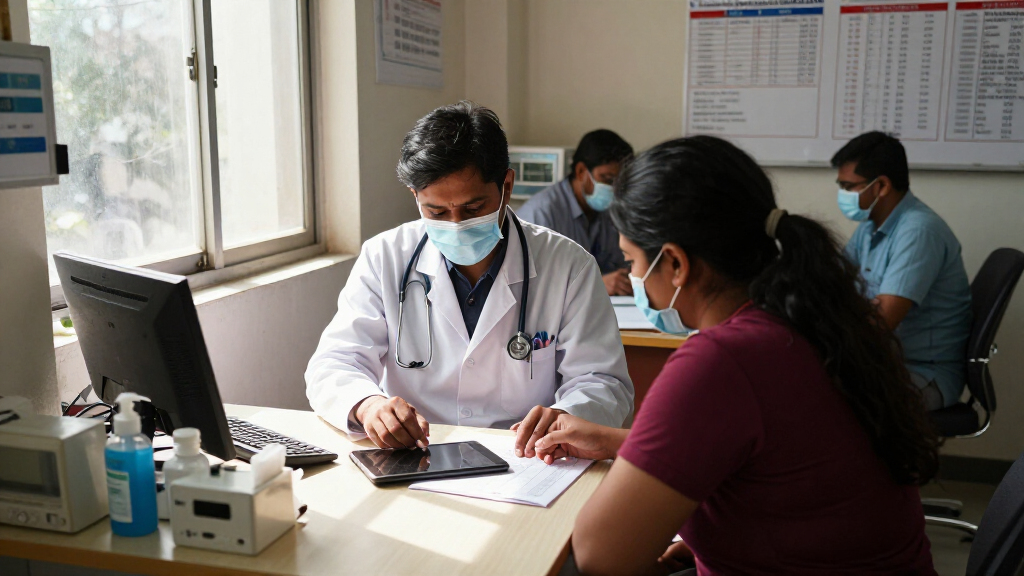
Delhi’s health authorities have ramped up testing and awareness campaigns, emphasizing early detection and treatment. Hospital admissions for influenza-like illnesses have increased, with some hospitals reporting a rise in severe cases requiring intensive care. The government has also issued advisories urging citizens to follow preventive measures such as wearing masks, practicing good hand hygiene, and avoiding crowded places. Vaccination efforts are ongoing, with priority given to high-risk groups including children, the elderly, and those with pre-existing health conditions.
Implications of the Rising H1N1 Cases in Delhi
The surge in H1N1 cases in Delhi underscores the importance of sustained public health vigilance during the winter season. An increase in influenza cases can strain healthcare resources, especially if severe cases rise. For the general public, this highlights the need for preventive measures and early medical consultation if symptoms develop. The situation also raises concerns about potential wider outbreaks if the virus continues to spread unchecked, emphasizing the importance of vaccination and hygiene practices. Experts warn that vulnerable populations remain at higher risk and should remain cautious.
N95 masks for respiratory protection
As an affiliate, we earn on qualifying purchases.
As an affiliate, we earn on qualifying purchases.
Recent Trends and Factors Behind the Surge
Delhi experienced relatively stable H1N1 case numbers in recent years, partly due to improved awareness, vaccination, and public health interventions. However, this year’s surge appears linked to seasonal weather patterns, which favor virus transmission. Additionally, the virus’s genetic evolution has been noted by researchers, though the full implications are still under study. Past outbreaks in India have shown that winter months often see spikes in influenza cases, but the current increase is more pronounced, prompting concern among health officials.
Historically, Delhi’s health infrastructure has managed seasonal influenza outbreaks, but the current rise has prompted calls for increased preparedness and resource allocation. The government has also increased surveillance to monitor the spread and identify hotspots for targeted interventions.
“The current climate conditions are ideal for the spread of H1N1, and the virus’s genetic changes could make it more transmissible. Early detection and vaccination are crucial.”
— Dr. Anil Kumar, Infectious Disease Specialist at AIIMS Delhi
As an affiliate, we earn on qualifying purchases.
Uncertainties Surrounding the Virus and Future Trends
It remains unclear whether the current genetic variations in the H1N1 strain will lead to more severe illness or further increased transmissibility. The full impact of these mutations is still under investigation by virologists. Additionally, the exact reason for the sudden spike—beyond weather and mutation—may involve other factors such as changes in population immunity levels or testing rates. It is also uncertain how long the surge will continue and whether it will peak or stabilize in the coming weeks.
digital infrared forehead thermometer
As an affiliate, we earn on qualifying purchases.
As an affiliate, we earn on qualifying purchases.
Next Steps for Monitoring and Containment
Health authorities plan to continue increased surveillance, expand vaccination campaigns, and reinforce public awareness efforts. Hospitals are preparing for potential increases in severe cases, and ongoing research aims to understand the virus’s mutations better. Officials will also assess the effectiveness of current containment measures and adjust strategies accordingly. Public health experts recommend that citizens remain vigilant, adhere to safety guidelines, and seek medical attention promptly if symptoms develop.
As an affiliate, we earn on qualifying purchases.
Key Questions
Why are H1N1 cases rising in Delhi this season?
Experts attribute the rise to favorable weather conditions, virus mutations, and increased testing, which together have contributed to higher reported cases.
Are the new H1N1 strains more dangerous?
It is not yet confirmed whether the mutations make the virus more severe. Research is ongoing to determine if the changes affect transmissibility or illness severity.
What precautions should people take?
Public health officials recommend wearing masks, practicing good hand hygiene, avoiding crowded places, and getting vaccinated if eligible.
Will the surge continue?
The trajectory of the current outbreak is uncertain. Authorities are closely monitoring the situation to predict future trends and respond accordingly.
Who is most at risk during this surge?
Vulnerable populations such as children, the elderly, and those with pre-existing health conditions remain at higher risk of severe illness.
Source: local
Fall Picks
fall essentials
As an affiliate, we earn on qualifying purchases.