
Your smart speaker is always listening for its wake word, which can raise privacy concerns. It may accidentally activate from similar sounds and record conversations you didn’t intend to share. While manufacturers provide privacy controls like deleting recordings and disabling always-listening mode, risks still exist if someone gains access to your network or device. To stay secure, understand these issues better and discover ways to protect your privacy as you explore more about these devices.
Listen free for 30 days with Audible
Thousands of audiobooks and originals — cancel anytime.
As an affiliate, we earn on qualifying purchases.
Key Takeaways
- Smart speakers constantly listen for wake words, which can lead to unintended recordings or responses.
- Privacy concerns include potential storage of personal conversations and data breaches.
- Securing your Wi-Fi and keeping device software updated reduces hacking risks.
- Using privacy controls, like deleting recordings or disabling always-listening mode, enhances security.
- Being mindful of discussing sensitive topics around smart speakers minimizes privacy risks.
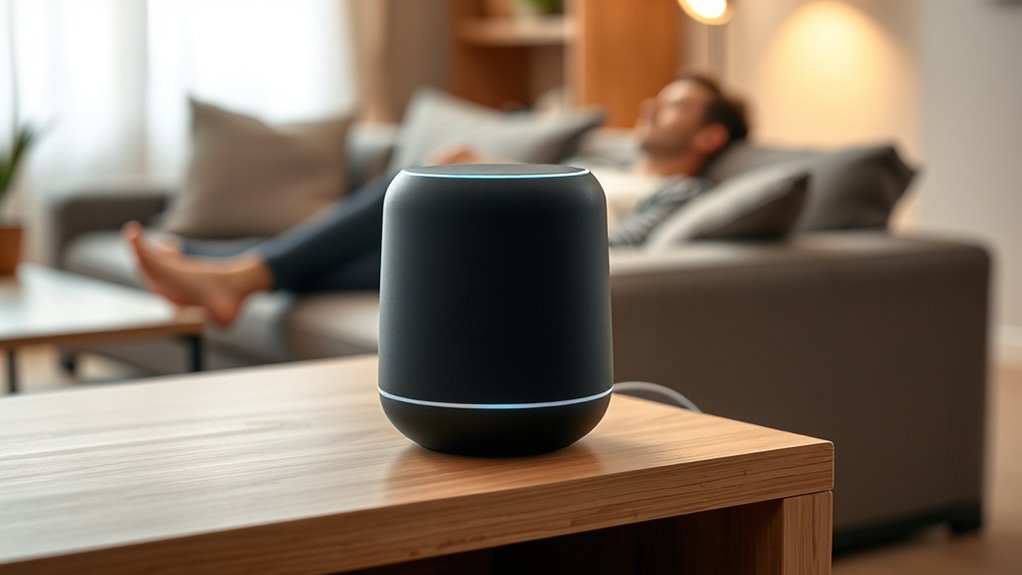
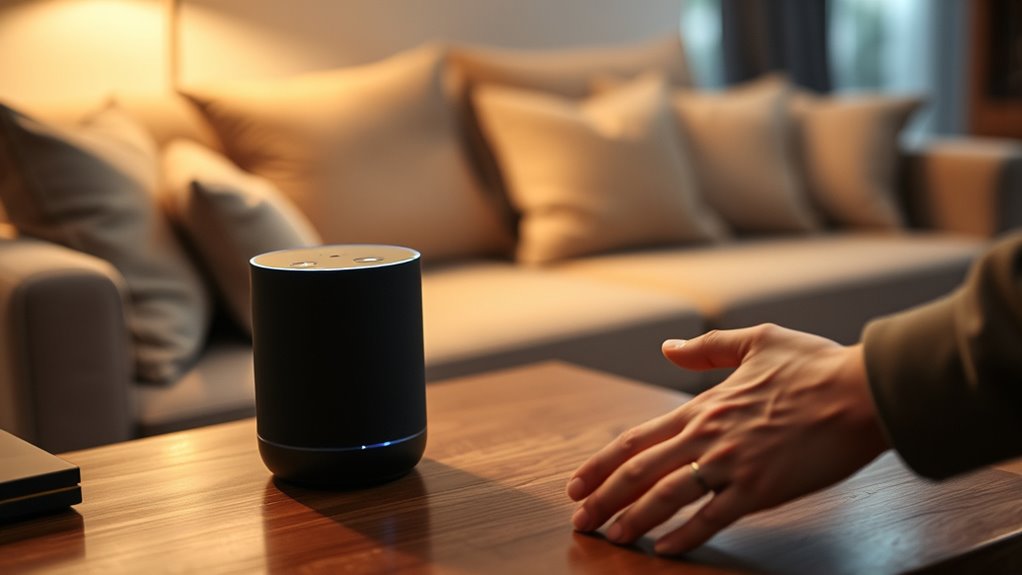
Smart speakers have become a staple in many homes, offering convenience and hands-free control over your devices. They respond to voice commands, play music, answer questions, and even control smart home gadgets. But with their constant listening capabilities, you might wonder about the privacy implications. It’s natural to question whether your conversations are truly private or if your voice data is being recorded and stored without your consent. While these devices are designed to listen only when you say the wake word, they are always technically “listening” in the background, waiting for that trigger. This ongoing listening raises concerns about unintended recordings and how the data might be used or shared. You might worry about your personal conversations being stored on servers or accessed by third parties, which could compromise your privacy.
On top of that, voice command security becomes a *vital* point of consideration. If someone else gains access to your smart speaker, they could potentially issue commands or retrieve sensitive information. For example, an intruder could ask your device for personal details or control connected devices, creating a security risk. The voice recognition technology isn’t perfect, and sometimes devices mistakenly activate or respond to similar-sounding words, which can be problematic. This accidental activation might lead to unintended recording or actions, further complicating privacy concerns. To mitigate these risks, many smart speakers come with settings that allow you to review or delete recordings, turn off voice history, or disable the always-listening feature altogether. Additionally, some devices now include privacy features that help you better control what data is collected and stored.
You should also be aware of the importance of securing your Wi-Fi network, as a vulnerable network could allow hackers to intercept data or gain control of your smart devices. Strong, unique passwords and regular updates help protect your devices from unauthorized access. Additionally, being cautious about what you say around your smart speaker is wise—avoid discussing sensitive information openly if you’re worried about privacy breaches. Many manufacturers also provide transparency reports and privacy policies, so it’s worth reviewing these to understand how your data is managed.
Ultimately, while smart speakers offer undeniable convenience, they do come with privacy implications and voice command security risks. Staying informed about the device’s features and security options empowers you to make smarter choices about how and when you use them. By taking proactive steps, you can enjoy the benefits of your smart speaker while minimizing potential privacy threats.
privacy settings for smart speakers
As an affiliate, we earn on qualifying purchases.
As an affiliate, we earn on qualifying purchases.
Frequently Asked Questions
Can Smart Speakers Record Conversations Without Activation?
Yes, smart speakers can record conversations without voice activation, leading to accidental recordings. They’re designed to listen for wake words, but sometimes they pick up sounds unintentionally, capturing private chatter. This means your device might record and store audio without you realizing it. To protect your privacy, review your device’s privacy settings regularly and disable features that could cause accidental recordings, giving you more control over what’s stored.
How Secure Are the Data Transmitted by Smart Speakers?
The data transmitted by your smart speaker is generally secure thanks to data encryption, which protects your information during transmission. However, it’s vital that you provide clear user consent for data collection and sharing. While companies implement security measures, always stay cautious by reviewing privacy settings and understanding how your data is used. Your awareness helps guarantee your conversations remain as private as possible.
What Privacy Settings Are Available on Smart Speakers?
You can customize your smart speaker’s privacy settings by adjusting voice command options and managing privacy policy preferences. You might disable voice recordings, delete past interactions, or turn off listening features altogether. Check your device’s app for privacy policy options, giving you control over data sharing and storage. Regularly reviewing and updating these settings helps protect your privacy and keeps your smart speaker experience secure and personalized.
Are There Legal Protections Against Surveillance by Smart Devices?
The law is your shield in the digital age, protecting your rights against surveillance. While privacy legislation varies, it generally grants you rights to access, delete, and control your data. Smart device manufacturers must comply with these laws, but stay vigilant—your user rights are your best defense. Keep informed about evolving legislation, and always review privacy policies to guarantee your smart speaker respects your privacy boundaries.
How Can I Tell if My Smart Speaker Is Listening Secretly?
You can tell if your smart speaker is listening secretly by paying attention to the voice activation indicator, like a light or sound, that shows when it’s active. Check your device privacy settings to see if voice commands are being recorded or stored. Regularly review and delete voice recordings, and disable features like voice activation when not needed. These steps help make certain your smart speaker listens only when you want it to.
smart speaker with voice recording deletion
As an affiliate, we earn on qualifying purchases.
As an affiliate, we earn on qualifying purchases.
Conclusion
While it’s easy to feel like your smart speaker is always lurking, remember that most devices are designed with privacy in mind. Think of it as a cautious friend—listening but not eavesdropping. Staying updated on privacy settings and being mindful of what you share can keep your digital life secure. So, don’t let the fear drown out the convenience; find the balance that lets your smart speaker serve you without spying on your every move.
secure Wi-Fi router for smart home devices
As an affiliate, we earn on qualifying purchases.
As an affiliate, we earn on qualifying purchases.
As an affiliate, we earn on qualifying purchases.
NFL season / tailgating Picks
team gear
As an affiliate, we earn on qualifying purchases.