To keep your PC malware-free without slowing it down, use reputable antivirus software that offers real-time protection and regular updates. Practice safe browsing by avoiding suspicious links, untrusted downloads, and shady websites. Clear your browser cache and be cautious with extensions and ads. Keep your operating system and software current to close security gaps. Staying vigilant and adopting these habits helps maintain speed and safety—discover more tips to shield your PC effectively.
Open a free Amazon Business account
Business pricing, bulk buying and tax-exempt orders.
As an affiliate, we earn on qualifying purchases.
Key Takeaways
- Use reputable, lightweight antivirus software with real-time protection and keep it updated regularly.
- Practice safe browsing by avoiding suspicious links, untrusted downloads, and shady websites.
- Keep your operating system and all software up to date to patch security vulnerabilities.
- Disable unnecessary browser extensions and clear cache regularly to reduce malware risks.
- Stay informed about current threats and adopt cautious habits to enhance your overall security awareness.
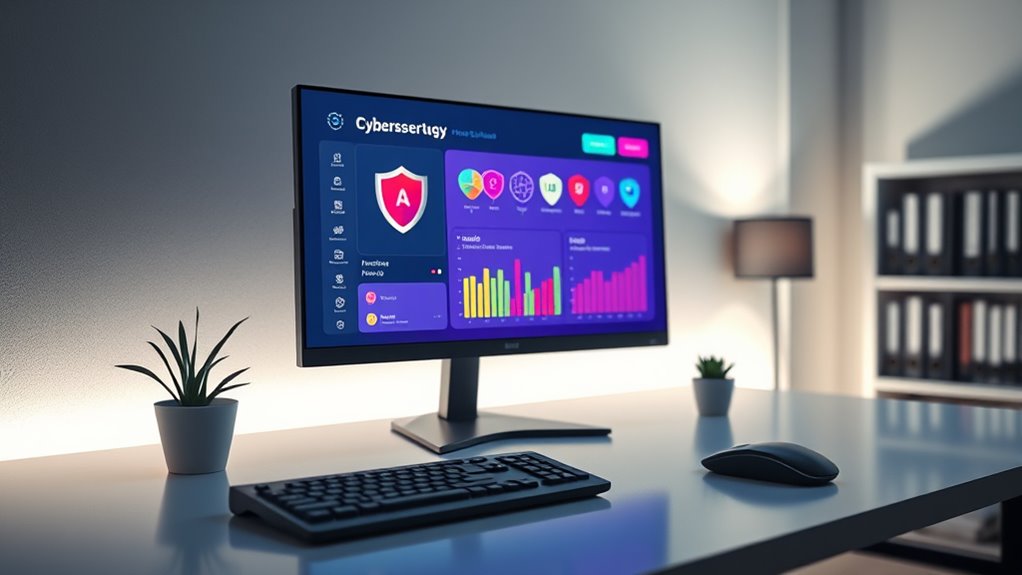
Keeping your PC free of malware requires proactive steps and vigilant habits. The first line of defense is installing reputable antivirus software. This software continuously scans your system for malicious threats, providing real-time protection against viruses, spyware, ransomware, and other malware types. Choose an antivirus program that’s lightweight, doesn’t drain your system resources, and has a good track record for detecting new threats. Make sure to keep your antivirus software up to date, as malware creators constantly evolve their tactics. Regular updates ensure your antivirus can identify and block the latest threats effectively, without slowing down your PC.
Beyond installing antivirus software, practicing safe browsing habits is vital. Be cautious when clicking on links, especially in emails from unknown senders or on suspicious websites. Avoid downloading files or software from untrusted sources, as these are common vectors for malware infections. When visiting websites, look for secure connections—check for “https” in the URL—and steer clear of sites that appear shady or have excessive pop-ups. Using a browser with built-in security features can help identify malicious sites before they cause harm.
You can also enhance your safe browsing habits by disabling or limiting the use of unnecessary browser extensions, which could potentially harbor malware. Clearing your cache and cookies regularly reduces the risk of malware lurking in stored data. Additionally, avoid clicking on suspicious ads or pop-ups, which are often used to spread malware or lead you to malicious sites. If you’re ever unsure about a link or attachment, verify its legitimacy before opening it. When in doubt, use an online scanner to check files for malware before downloading or opening them on your PC.
Another effective way to prevent malware without impacting your PC’s performance is to enable your browser’s security features and use ad blockers. These tools can reduce the risk of inadvertently clicking on malicious content. Also, keep your operating system updated, as many malware exploits target outdated software vulnerabilities. Regularly installing updates patches security flaws, making it harder for malware to penetrate your system. Employing vetted security tools further strengthens your defenses against malware threats.
Finally, maintain a cautious attitude and stay informed about current malware threats and scams. Awareness is your best defense. By combining a robust antivirus program with safe browsing habits, you create a layered security approach that minimizes the chances of infection. This way, you protect your PC from malware while keeping it running smoothly and efficiently.
lightweight antivirus software for PC
As an affiliate, we earn on qualifying purchases.
As an affiliate, we earn on qualifying purchases.
Frequently Asked Questions
Can Malware Infect My Phone Through My PC?
Yes, malware can infect your phone through your PC if you’re not careful. To protect your phone security, avoid clicking suspicious links or downloading unknown files from your PC. Be cautious with app permissions, especially if the device is connected or synchronized. Regularly update your phone’s software and run security scans. Keeping both devices secure prevents malware from spreading and keeps your data safe.
Is Using Free Antivirus Software Effective Against Malware?
Yes, free antivirus software can be effective against malware, providing basic malware protection for your PC. It typically scans for common threats, blocks malicious websites, and offers real-time protection. However, keep in mind that free options might lack advanced features found in paid versions. To guarantee maximum malware protection, choose reputable free antivirus programs and keep them updated regularly. This way, you balance security without sacrificing your PC’s performance.
How Often Should I Perform Malware Scans?
You should perform malware scans at least once a week to guarantee your PC stays protected. Adjust your scan frequency based on your malware detection intervals and online activity level; if you browse risky sites often, consider scanning more frequently. Regular scans help catch threats early without slowing down your system. Keep your antivirus software updated to improve detection and maintain peak performance.
Does Malware Always Show Visible Signs on My PC?
Did you know that over 60% of malware infections don’t show obvious signs? Malware doesn’t always display visible signs on your PC because malicious programs often hide behind system vulnerabilities or disguise themselves. You might not notice slowdowns or strange pop-ups, so it’s essential to use reliable security tools. Regular scans help detect hidden malware indicators, preventing damage before it becomes obvious or costly.
Can Malware Spread via External USB Drives?
Yes, malware can spread via external USB drives, especially if they contain USB malware that infects your system when connected. To prevent this, always use drive protection like antivirus scans before opening files and disable autorun features. Avoid using untrusted drives, and regularly update your security software. Being cautious with external drives helps keep your PC malware-free without sacrificing speed or performance.
As an affiliate, we earn on qualifying purchases.
Conclusion
By following these tips, you’ll build a digital fortress that keeps malware at bay, like a vigilant guard standing watch. Your PC will run smoothly, free from lurking threats that try to sneak in. Think of your system as a well-tended garden—regular care and caution prevent weeds and pests from taking over. Stay proactive, stay protected, and enjoy a speedy, secure machine that’s ready to conquer whatever tasks you throw its way.
As an affiliate, we earn on qualifying purchases.
As an affiliate, we earn on qualifying purchases.
Fall Picks
fall essentials
As an affiliate, we earn on qualifying purchases.