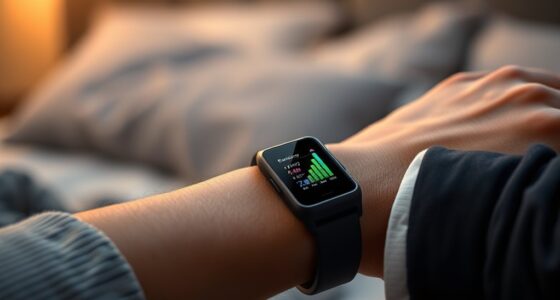
Using multiple wearables can give you a detailed picture of your health, offering insights into areas like heart rate, sleep, and activity. However, it can also lead to data confusion, privacy worries, and added costs. If managing multiple devices feels overwhelming or unnecessary for your goals, a single reliable wearables might suffice. Curious about how to balance benefits and risks while optimizing your health tracking? Let’s explore more.

Get workout gear delivered free with Prime
- Fast, free delivery on millions of items
- Prime Video, Amazon Music and more included
- Member-only deals all year
Key Takeaways
- Multiple wearables offer comprehensive health data but can lead to conflicting or inconsistent metrics.
- Using several devices enhances insights but increases privacy risks and data management complexity.
- Compatibility issues may prevent seamless data integration, resulting in fragmented health profiles.
- For casual users, a single device may suffice, while fitness enthusiasts may benefit from layered insights.
- The added cost and effort of managing multiple wearables should be balanced against potential health benefits.
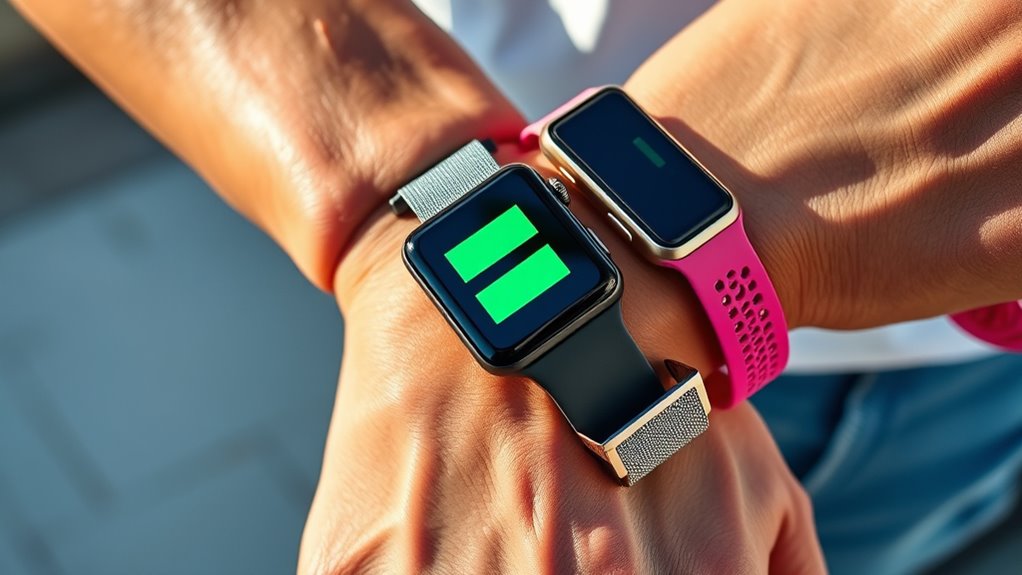
Using multiple wearables at once can thoroughly enhance your fitness and health tracking by providing a more extensive picture of your activity and well-being. When you wear several devices, each with its own sensors and capabilities, you gather a broader range of data points. For example, one device might excel at tracking heart rate, while another provides detailed sleep analysis or step counts. This layered approach can offer a more complete view of your health, helping you identify patterns and make informed decisions about your fitness routines. You get real-time feedback from different angles, which can motivate you to push harder or adjust your habits for better results. However, this also means managing a lot of data, and that’s where data privacy comes into play. Collecting so much personal information across multiple devices heightens the risk of data breaches or misuse. You need to be aware of each device’s privacy policies and how your data is stored, shared, or sold. Being cautious about permissions and understanding data encryption practices can help you safeguard your information. When you’re using several wearables, it’s tempting to rely on all of them equally, but that may lead to conflicting data or confusion. For example, one device might report a higher step count than another, or sleep tracking could vary between devices. It’s your job to interpret these discrepancies and determine which data to prioritize. Compatibility becomes another concern—if your wearables don’t sync seamlessly, you may end up with fragmented insights instead of a unified health profile. Some devices work better with certain apps or ecosystems, so you might need to invest time in setting up integrations properly. While the idea of combining multiple wearables sounds promising, it’s important to take into account whether it’s worth the extra effort and expense. For casual users, sticking to one reliable device might suffice, especially if privacy and simplicity matter most. On the other hand, dedicated fitness enthusiasts or those with specific health conditions could benefit from the depth of data multiple wearables provide. Just remember that more devices mean more data to analyze, more privacy considerations, and potentially more troubleshooting. Ultimately, using multiple wearables at once can be helpful if you’re tech-savvy and committed to managing your privacy carefully. Otherwise, it might be overkill, complicating your fitness journey without delivering proportionate benefits. Balance your goals, privacy concerns, and convenience to decide whether this approach is right for you. Additionally, understanding data privacy policies and how your information is protected can help you make informed choices about your wearable technology.
best fitness tracker for multiple device integration
As an affiliate, we earn on qualifying purchases.
As an affiliate, we earn on qualifying purchases.
Frequently Asked Questions
Can Wearing Multiple Wearables Cause Health Issues?
Wearing multiple wearables can cause health issues if you don’t pay attention to device compatibility and battery life. You might experience skin irritation from constant contact or feel overwhelmed by the constant notifications. Also, overlapping signals could interfere with each other, leading to inaccurate data. To avoid these problems, limit your devices, confirm they’re compatible, and monitor battery life so your wearables stay functional and safe for your health.
How Do Wearables Communicate With Each Other?
Wearables communicate with each other through device compatibility and data integration. You can connect multiple devices via Bluetooth, Wi-Fi, or dedicated apps that sync data seamlessly. These platforms guarantee your wearables share information in real-time, providing an all-encompassing view of your health. By maintaining compatibility across devices and integrating data effectively, you get a cohesive experience that helps you track progress without manual input or confusion.
Is There a Risk of Data Overload From Multiple Devices?
Imagine juggling bright, blinking fireflies—your wearables. Yes, there’s a risk of data overload from multiple devices, like fireflies creating confusion in the night sky. Data redundancy can clutter your insights, and incompatible devices may refuse to share information, causing frustration. To prevent this, focus on device compatibility and streamline your wearables, ensuring they work together smoothly, so you get clear, useful data without the chaos of excess information.
Do Different Brands of Wearables Sync Easily?
Different brands of wearables often face syncing challenges due to limited brand compatibility. You might find that some devices sync seamlessly, especially if they use popular platforms like Apple Health or Google Fit, but others may require extra steps or third-party apps. To avoid frustration, check each device’s compatibility before purchasing, and be prepared for possible syncing issues when mixing brands.
Are Multiple Wearables More Accurate Than One Device?
Multiple wearables can be more accurate than one device, but only if each is properly calibrated. Think of it like a symphony—if the instruments are in tune, the music flows better; if not, it’s chaos. Using several devices reduces data redundancy and offers a fuller picture of your health metrics. However, inconsistent calibration might muddy the waters, so make certain all your wearables are set up correctly for the best results.
wearable sleep and heart rate monitor combo
As an affiliate, we earn on qualifying purchases.
As an affiliate, we earn on qualifying purchases.
Conclusion
So, why settle for just one wearable when you can strap on five or six? After all, who needs simplicity when you can drown in a sea of gadgets that track every heartbeat, step, and blink? Sure, you might forget which device is monitoring what, but at least you’ll look impressively tech-savvy while chasing data points like a digital gold rush. Ultimately, more wearables mean more confusion—because who doesn’t want their health stats to be as complicated as their love life?
multi-sensor health tracking wearable
As an affiliate, we earn on qualifying purchases.
As an affiliate, we earn on qualifying purchases.
reliable all-in-one fitness smartwatch
As an affiliate, we earn on qualifying purchases.
As an affiliate, we earn on qualifying purchases.
Halloween Picks
halloween
As an affiliate, we earn on qualifying purchases.