
TL;DR
Open a free Amazon Business account
Business pricing, bulk buying and tax-exempt orders.
Create a free accountAs an affiliate, we earn on qualifying purchases.
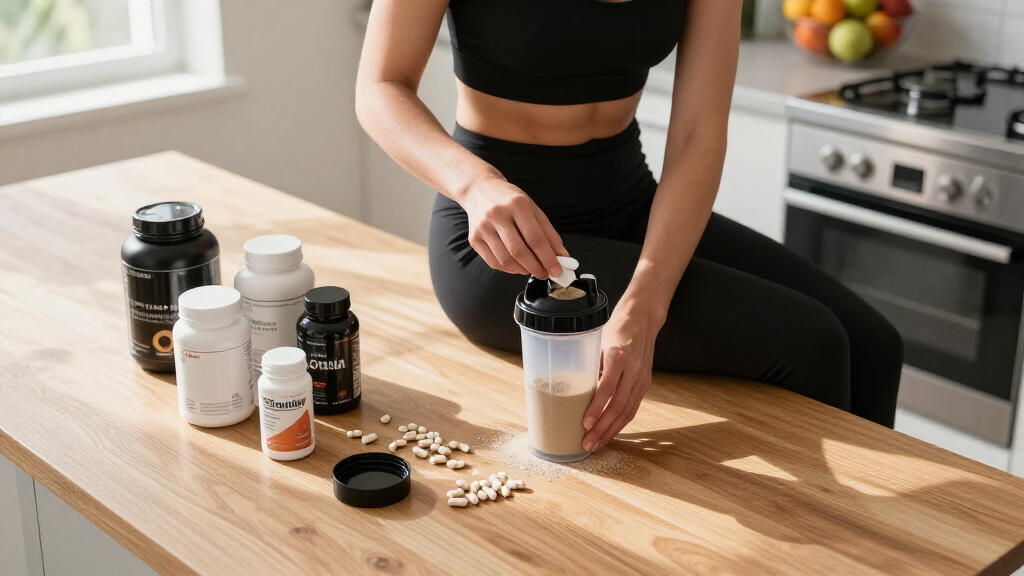
A recent trend indicates that 80% of Americans are taking dietary supplements. While usage is widespread, health benefits are not definitively proven. Experts call for more research to understand their true impact.
According to recent survey data, 80% of Americans report taking dietary supplements, highlighting a widespread trend in supplement use. While many consumers believe these products support their health, experts caution that the actual benefits remain unproven, making this a significant topic for public health and consumer awareness.
The survey, conducted by a reputable research organization, indicates that supplement usage has increased steadily over the past decade, with a notable spike during the COVID-19 pandemic. Supplements include vitamins, minerals, herbal products, and other nutraceuticals, with multivitamins being the most common. Despite their popularity, scientific evidence supporting their effectiveness in preventing disease or improving health outcomes is limited.
Health authorities and researchers emphasize that while some supplements may help address specific deficiencies, many products on the market lack rigorous clinical testing. The Food and Drug Administration (FDA) does not approve dietary supplements for efficacy before they reach consumers, making it difficult to assess their true health impact. The survey also found that motivations for supplement use include boosting immunity, filling nutritional gaps, and enhancing overall well-being.
Experts warn that supplement use can carry risks, especially when taken in excess or combined with medications. They recommend consulting healthcare professionals before starting any new supplement regimen. Meanwhile, consumer interest continues to grow, driven by marketing, celebrity endorsements, and a desire for proactive health management.
Implications of Widespread Supplement Use Without Confirmed Benefits
The high prevalence of supplement use among Americans underscores a significant public health question: are these products providing the health benefits consumers expect? While some supplements can address specific deficiencies, the lack of conclusive scientific evidence means many may offer no measurable health improvements. This situation raises concerns about consumer spending, false health expectations, and potential safety risks.
Healthcare providers and policymakers face the challenge of guiding the public on supplement use amid limited regulation and scientific certainty. The trend also influences the supplement industry, which continues to grow rapidly, with sales reaching billions of dollars annually. Understanding whether supplement use translates into real health benefits is crucial for shaping future guidelines and research priorities.
multivitamin supplements for adults
As an affiliate, we earn on qualifying purchases.
As an affiliate, we earn on qualifying purchases.
Rising Popularity of Supplements and Limited Scientific Evidence
The use of dietary supplements has been on the rise for decades, with the COVID-19 pandemic accelerating interest in immune-boosting products. According to previous studies, about two-thirds of Americans reported taking supplements regularly, but the recent survey indicates a jump to 80%. The supplement industry is largely unregulated, with the FDA overseeing labeling and safety but not efficacy before products hit the market.
Historically, scientific research has shown mixed results regarding the benefits of many common supplements. For example, large-scale clinical trials have often failed to demonstrate significant health improvements from multivitamins or herbal remedies. Nonetheless, consumer demand persists, driven by marketing claims and a cultural emphasis on proactive health management.
Experts note that while some individual supplements can help manage specific deficiencies—such as iron for anemia or vitamin D for deficiency—many products are used without medical guidance, raising safety concerns. The trend reflects broader changes in health behavior, where self-directed supplement use is increasingly common.
immune boosting herbal supplements
As an affiliate, we earn on qualifying purchases.
As an affiliate, we earn on qualifying purchases.
Unconfirmed Claims and Unknown Long-Term Effects of Supplements
It remains unclear whether the widespread supplement use actually leads to improved health outcomes, as most claims lack rigorous scientific validation. Long-term safety data for many products are limited, and potential interactions with medications are not well understood. Researchers continue to investigate which supplements, if any, provide measurable benefits, but definitive conclusions are still pending.
As an affiliate, we earn on qualifying purchases.
Future Research and Consumer Guidance on Supplement Effectiveness
Ongoing clinical trials and scientific studies aim to clarify which supplements offer real health benefits. Public health agencies are expected to update guidelines and provide clearer consumer advice based on emerging evidence. Meanwhile, healthcare professionals are encouraged to discuss supplement use with patients to prevent unnecessary risks and ensure informed decisions.
nutritional deficiency supplements
As an affiliate, we earn on qualifying purchases.
As an affiliate, we earn on qualifying purchases.
Key Questions
Are dietary supplements effective for improving health?
While some supplements can address specific nutritional deficiencies, the overall evidence for their effectiveness in promoting general health remains limited. It’s best to consult healthcare providers for personalized advice.
Are all supplements safe to use?
Not necessarily. Supplements can carry risks, especially if taken in excess or combined with medications. Always seek medical guidance before starting new supplements.
Should I trust marketing claims about supplements?
Marketing claims are often exaggerated or unverified. Look for products with scientific backing and consult healthcare professionals for reliable information.
What is the regulation process for dietary supplements?
The FDA oversees labeling and safety but does not approve supplements for efficacy before they are marketed. Consumers should be cautious and informed about the products they choose.
What should I do if I’m considering taking supplements?
Discuss your plans with a healthcare provider to ensure safety and appropriateness, especially if you have existing health conditions or take medications.
Source: rss
Fall Picks
fall essentials
As an affiliate, we earn on qualifying purchases.