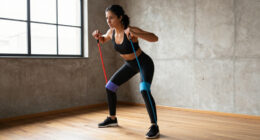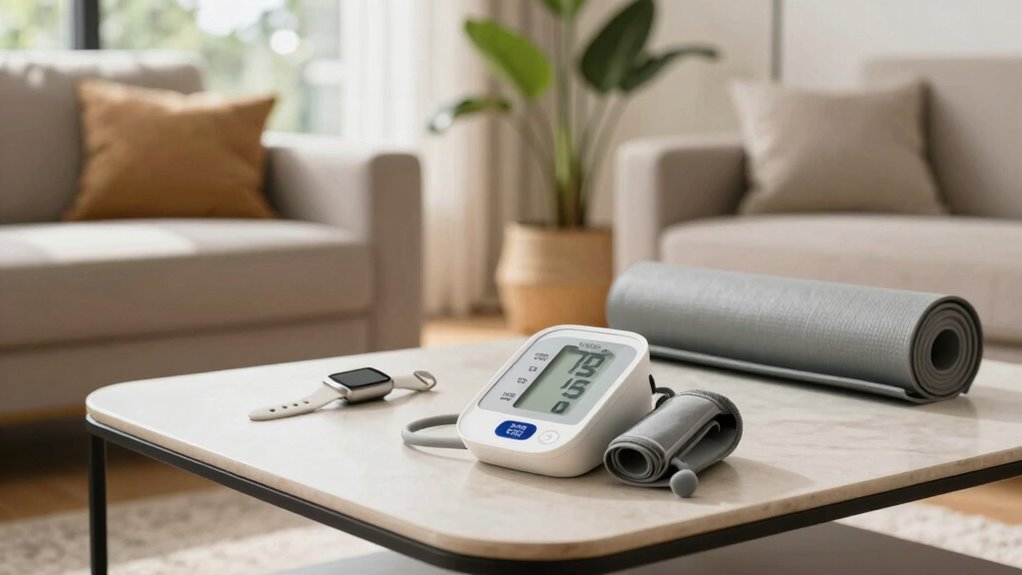
If you’re fitness-focused, blood pressure monitors help you stay safe during workouts by tracking your body’s responses and ensuring you’re within healthy limits. They give you immediate insights to adjust intensity and prevent overexertion. When combined with heart rate and hydration data, these monitors help you understand how your body reacts and improve your overall health. Keep exploring how these tools can support your fitness journey and protect your heart over time.
Listen free for 30 days with Audible
Thousands of audiobooks and originals — cancel anytime.
As an affiliate, we earn on qualifying purchases.
Key Takeaways
- They track cardiovascular responses to exercise, ensuring safe workout intensity and recovery.
- Monitoring helps prevent overexertion and maintain blood pressure within healthy limits.
- Blood pressure data guides personalized fitness adjustments for optimal health outcomes.
- Regular checks support early detection of hypertension or irregular heart patterns.
- Combining blood pressure with hydration and heart rate data promotes comprehensive health management.
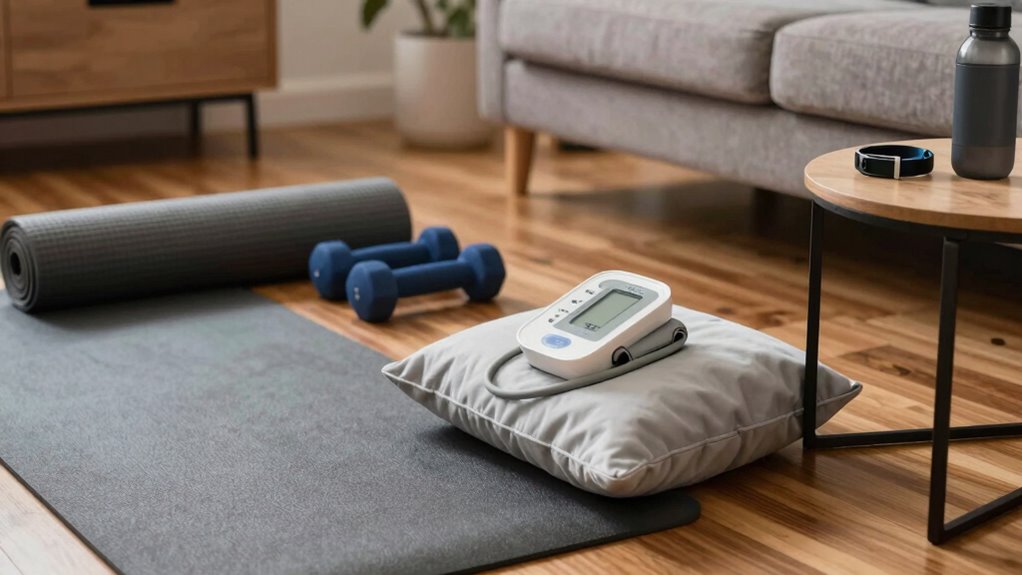
Keeping track of your blood pressure is crucial for maintaining a healthy, active lifestyle, especially if you’re committed to regular fitness routines. When you regularly monitor your blood pressure, you gain valuable insights into how your body responds to exercise and daily activities. This awareness helps you make informed decisions about your workout intensity and recovery, ensuring you stay within safe limits. Many fitness-focused households combine blood pressure monitoring with heart rate monitoring to get an all-encompassing picture of their cardiovascular health. By keeping an eye on your heart rate during workouts, you can maximize your training, prevent overexertion, and improve endurance. Heart rate monitoring also helps you identify your ideal exercise zones, whether you’re aiming for fat burning or cardiovascular enhancement.
Monitoring blood pressure and heart rate helps optimize workouts and safeguard your cardiovascular health.
Hydration tracking is another critical component that ties into blood pressure management. Staying well-hydrated supports perfect blood flow, helps maintain healthy blood pressure levels, and prevents dehydration-related issues during exercise. When you track hydration, you become more conscious of how fluid intake impacts your blood pressure readings and overall performance. This awareness encourages you to drink enough water before, during, and after workouts, especially in hot or humid environments. Proper hydration can also reduce dizziness or lightheadedness, common problems for those pushing their limits during intense sessions. Combining hydration tracking with blood pressure monitoring ensures you’re not only aware of your current health status but also actively working to improve it. Incorporating accurate blood pressure readings into your routine can help you better understand your body’s responses and make more informed health decisions. Additionally, understanding health standards can help you interpret your readings more accurately and stay aligned with recommended guidelines.
To enhance your understanding of how lifestyle choices influence cardiovascular health, consider incorporating regulatory compliance and staying informed about updates in health standards. For fitness households, having a dependable blood pressure monitor means you can easily incorporate these health checks into your daily routine. Instead of waiting for symptoms or visits to the doctor, you get real-time data, empowering you to adjust your activities accordingly. If you notice elevated blood pressure or irregular heart rate patterns, you can pause, hydrate, or modify your workout to prevent potential health issues. This proactive approach helps you stay consistent with your fitness goals while safeguarding your heart health. Regularly reviewing your data can also motivate you to adopt healthier habits that support overall wellness, aligning with the importance of content quality and authority in health management. Over time, these habits build a deeper understanding of how your lifestyle choices influence your cardiovascular system, motivating you to make healthier decisions.
blood pressure monitor for fitness tracking
As an affiliate, we earn on qualifying purchases.
As an affiliate, we earn on qualifying purchases.
Frequently Asked Questions
Can Blood Pressure Monitors Be Used During Exercise?
Yes, you can use blood pressure monitors during exercise, but for exercise safety, it’s best to monitor your blood pressure before and after workouts rather than during intense activity. If you need to check during exercise, make certain proper monitor placement—usually on your upper arm—without constricting movement. Avoid using the monitor during vigorous activity to get accurate readings and prevent discomfort, helping you stay aware of your health during workouts.
How Often Should Fitness Households Check Their Blood Pressure?
You should check your blood pressure at least once a week if you’re fitness-focused, especially if you’re tracking diet and sleep quality. Regular monitoring helps you understand how lifestyle changes impact your cardiovascular health. It’s best to do it at the same time each day, preferably before meals or exercise, to get consistent readings. This routine keeps you informed and motivated to maintain a balanced, healthy lifestyle.
Are Portable Blood Pressure Monitors Accurate for Active Lifestyles?
Portable blood pressure monitors can be quite accurate if they meet medical accuracy standards, but their device durability varies. Active lifestyles might cause some models to lose calibration faster or get damaged easily. To guarantee reliable readings, choose a device designed for portability and durability, and regularly calibrate it. This way, you’ll get consistent, precise measurements that support your fitness journey and overall health.
Do Blood Pressure Monitors Interfere With Other Fitness Devices?
Blood pressure monitors generally don’t interfere with other fitness devices, but device compatibility and blood pressure accuracy can vary. You should guarantee your monitor uses standard Bluetooth or Wi-Fi connections to prevent conflicts. Keep devices separated during measurements to avoid signal interference. Regularly update your monitor’s firmware, and check compatibility with your fitness gadgets. This way, you maintain accurate readings without disrupting your workout tech ecosystem.
What Features Should Fitness Households Look for in a Monitor?
You should look for a blood pressure monitor with accurate heart rate tracking and adjustable cuff size selection. These features guarantee a comfortable fit and reliable readings, especially if multiple users share the device. Prioritize models that offer clear displays and easy operation. This way, you can monitor your health consistently and accurately, supporting your fitness goals without hassle or inaccuracies.
automatic blood pressure monitor with heart rate
As an affiliate, we earn on qualifying purchases.
As an affiliate, we earn on qualifying purchases.
Conclusion
Tracking blood pressure regularly can considerably enhance your fitness journey, helping you catch potential health issues early and stay on top of your well-being. Did you know that nearly 1 in 3 adults worldwide suffer from hypertension, often unaware of it? By investing in a blood pressure monitor, you’re empowering yourself to make informed choices and maintain a healthy lifestyle. Staying proactive with your health isn’t just smart—it’s essential for long-term fitness success.
hydration tracking fitness device
As an affiliate, we earn on qualifying purchases.
As an affiliate, we earn on qualifying purchases.
digital blood pressure monitor for home use
As an affiliate, we earn on qualifying purchases.
As an affiliate, we earn on qualifying purchases.
Flea & tick season Picks
flea and tick prevention
As an affiliate, we earn on qualifying purchases.