
A great smart fitness habit stack at home combines simple, intentional activities with environmental cues and tracking tools to make exercising effortless and sustainable. You should pair routines with familiar triggers, like brushing your teeth or making coffee, to create seamless shifts. Keep your tools accessible and use tech reminders or feedback to stay motivated. When you optimize your environment and routines, you’ll find consistency comes naturally—you’ll discover more strategies to build lasting habits as you continue.
Listen free for 30 days with Audible
Thousands of audiobooks and originals — cancel anytime.
As an affiliate, we earn on qualifying purchases.
Key Takeaways
- Integrate simple, manageable activities into existing routines for seamless consistency.
- Use environmental cues and accessible fitness tools to trigger habits effortlessly.
- Incorporate technology like reminders and apps to boost motivation and track progress.
- Maintain routines at the same time daily to build automaticity and reinforce habits.
- Personalize routines to be enjoyable and aligned with individual motivation levels.
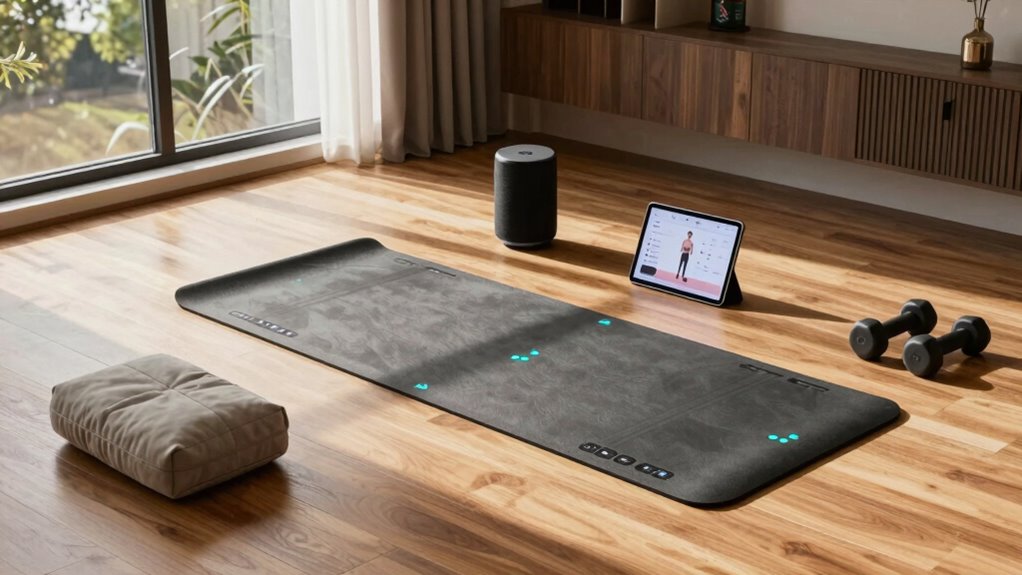
Building sustainable fitness routines can be challenging, but a smart habit stack makes it easier to stay consistent. When you combine simple, intentional actions into a seamless sequence, you create a routine that feels natural and achievable. At home, this approach is especially effective because it removes barriers like commute time or gym membership hurdles. To craft a great smart fitness habit stack, you need to focus on how each activity flows into the next, ensuring it’s both convenient and motivating. Workout motivation plays a vital role here—if your habits are easy and enjoyable, you’re more likely to stick with them. Incorporating tech integration can boost your motivation further by providing instant feedback, tracking progress, and making workouts more engaging.
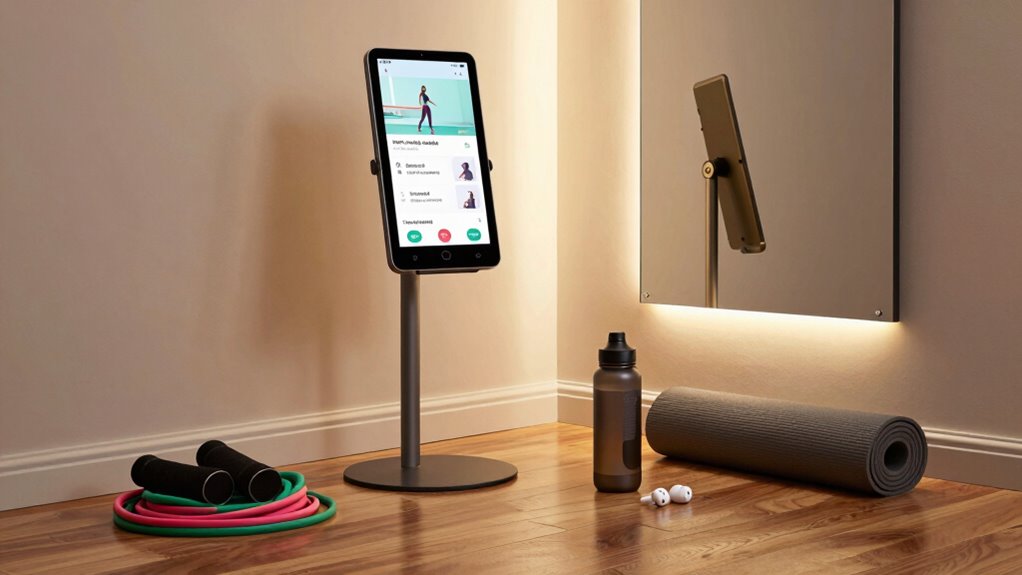
Start by choosing a small, manageable activity that you can do daily without much setup, like stretching or bodyweight exercises. Pair it with an action you already do regularly, such as brushing your teeth or brewing your morning coffee. For example, you might decide to do a quick set of squats immediately after brushing your teeth. This pairing makes the new habit feel automatic and less like a chore. Then, leverage tech tools—set a reminder on your phone or use a fitness app that prompts you at specific times. Some apps even sync with wearable devices to give you real-time motivation, showing your progress and encouraging you to push a little harder. This tech integration keeps your workout motivation high, especially when you see tangible results or earn rewards like badges or milestones.
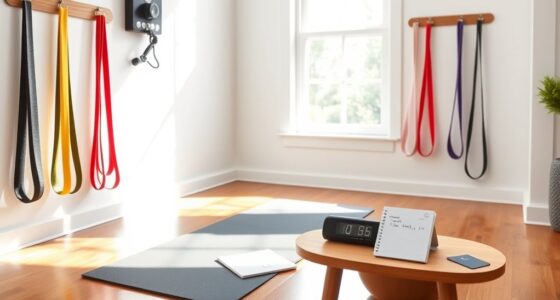
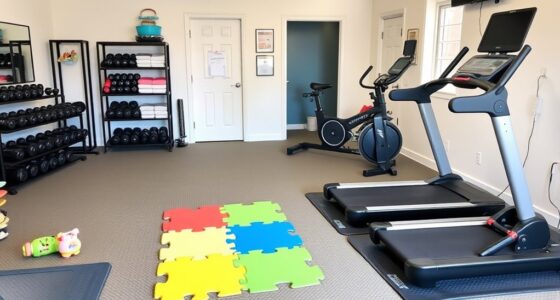
Another effective element of a smart habit stack is consistency. Keep your routines simple and repeat them at the same time each day. When your environment supports your habits—like keeping a yoga mat unrolled in your living room or placing weights nearby—you reduce friction. These small cues trigger your brain to move into action, reinforcing your fitness pattern. As you build these routines, use technology like timers or workout playlists to create a rhythm that energizes you. The combination of familiar cues and tech-driven motivation makes it easier to stay committed, even when your initial enthusiasm wanes. Recognizing the importance of habit formation and environmental cues can help solidify your routines over time. Incorporating behavioral cues can further enhance your ability to develop lasting habits and sustain your motivation. Additionally, understanding the role of behavioral psychology can help tailor your routines to be more effective and personalized.
As an affiliate, we earn on qualifying purchases.
Frequently Asked Questions
How Long Should Each Habit in the Stack Last?
Each habit in your stack should last around 5 to 15 minutes, enough to make progress without overwhelming your schedule. Keep it manageable so you can track your progress and stay motivated. Incorporate social accountability by sharing your goals or achievements with friends or online groups, which helps reinforce consistency. Short, focused habits build momentum and make it easier to stick with your fitness routine daily.
Can I Customize a Habit Stack for Specific Fitness Goals?
Yes, you can definitely customize a habit stack for your specific fitness goals. Personalization options allow you to tailor routines to target strength, endurance, or flexibility. By integrating goal-specific routines, you make sure each habit aligns with what you want to achieve. Adjust activities, timing, and intensity to suit your needs, making your habit stack more effective and motivating. This customized approach keeps you focused and progressing toward your fitness ambitions.
What Tools or Apps Are Best for Tracking Habit Stacks?
You should choose apps like MyFitnessPal or Strava for tracking your habit stacks, as they combine fitness gadgets integration and nutrition tracking features. These tools help you monitor workouts, diet, and progress seamlessly. Fitness gadgets like smartwatches sync effortlessly with these apps, giving real-time data. This way, you stay motivated and accountable, ensuring your habit stacks support your fitness goals effectively at home.
How Do I Stay Motivated to Maintain My Habit Stack Long-Term?
Picture yourself crossing the finish line of a race, feeling proud and energized—that’s mental resilience fueling your motivation. To stay committed long-term, tap into social accountability by sharing your progress with friends or joining online groups. Celebrate small wins, visualize your goals, and remind yourself of how good you’ll feel after each workout. These habits build resilience and keep your motivation alive, making your fitness routine a rewarding, lasting part of your life.
Is It Better to Start With Simple or Complex Habit Stacks?
It’s better to start with simple habit stacks because they support habit formation and promote routine consistency. When you begin with manageable routines, you’re more likely to stick with them daily, building confidence and momentum. Complex habit stacks can feel overwhelming initially, risking burnout or frustration. Focus on small, achievable steps first, then gradually add layers, ensuring your habits become ingrained and sustainable over time.
As an affiliate, we earn on qualifying purchases.
Conclusion
Building a smart fitness habit stack at home is like assembling a well-crafted puzzle—you connect small, intentional actions to create a bigger, healthier picture. When you combine quick workouts, mindful nutrition, and regular tracking, these habits fit together seamlessly, making your fitness journey feel natural and sustainable. Remember, consistency is your best tool, much like a steady drumbeat that keeps the rhythm going. Stick with it, and you’ll see progress faster than you might expect.
exercise equipment for small spaces
As an affiliate, we earn on qualifying purchases.
As an affiliate, we earn on qualifying purchases.
motivational fitness app with badges
As an affiliate, we earn on qualifying purchases.
As an affiliate, we earn on qualifying purchases.
Flea & tick season Picks
flea and tick prevention
As an affiliate, we earn on qualifying purchases.