
To think about smart fitness, focus on a personalized approach that fits your goals and lifestyle. Use data from devices like fitness trackers to make informed decisions and avoid fads that lack evidence or safety. Incorporate technology and equipment thoughtfully to keep routines engaging but safe. Remember, consistency and patience are key—celebrate small wins and adjust as needed. Stay curious about what truly benefits you, and you’ll discover more sustainable ways to achieve your fitness goals.

Get workout gear delivered free with Prime
- Fast, free delivery on millions of items
- Prime Video, Amazon Music and more included
- Member-only deals all year
Key Takeaways
- Focus on personalized routines that align with your goals and lifestyle rather than following every new trend.
- Use data-driven insights to evaluate the effectiveness of fitness methods before adopting them.
- Incorporate technology and equipment thoughtfully, prioritizing safety, privacy, and long-term sustainability.
- Critically assess trends for scientific backing and real benefits instead of chasing fads.
- Prioritize consistency, patience, and progress monitoring to build sustainable, effective fitness habits.
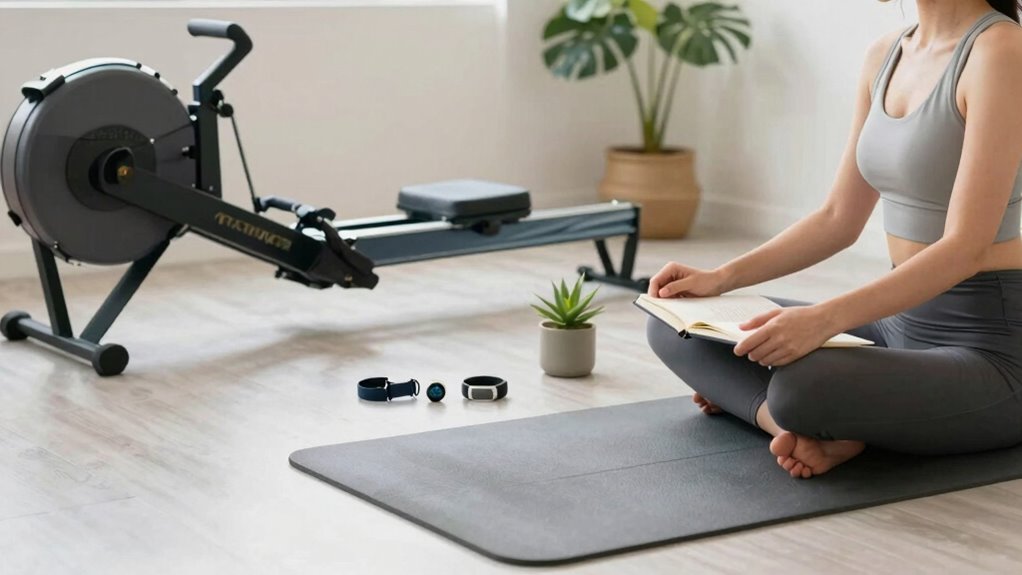
Have you ever wondered what it really means to approach fitness in a smart way? It’s not about blindly chasing every new trend or jumping from one workout craze to another. Instead, it’s about developing a thoughtful, tailored approach that aligns with your unique goals and lifestyle. Smart fitness centers on a personalization focus. You recognize that what works for someone else may not work for you, so you prioritize understanding your body’s needs, limitations, and preferences. This means listening to how your body responds to different activities and adjusting accordingly. Instead of following generic routines, you craft a plan rooted in your personal circumstances, making your efforts more effective and sustainable.
Smart fitness is about personalized, sustainable routines tailored to your body’s needs and goals.
A key component of thinking about fitness intelligently is leveraging data-driven insights. Modern technology offers tools that help you gather real-time information about your progress, whether through fitness trackers, apps, or wearable devices. These tools provide detailed metrics—such as heart rate, sleep quality, calorie burn, and activity levels—that help you see what’s truly working. When you analyze this data, you gain clarity and avoid wasting time on exercises that don’t produce results. Instead, you focus on strategies backed by evidence, making your workouts more efficient and tailored to your needs. Additionally, understanding enterprise governance principles can help you structure your fitness journey with clear goals and accountability, similar to how organizations ensure secure and effective deployment. Incorporating electric bikes and generators into your routine can also add variety and sustainability to your fitness activities, aligning with a smarter, eco-conscious approach. Recognizing the importance of safety considerations is crucial when integrating new equipment or routines to prevent injuries and optimize results. Moreover, understanding the benefits of proper hydration can significantly impact your performance and recovery during workouts, supporting your overall fitness goals. And recognizing the importance of data privacy and security can help you manage your personal information responsibly, especially when using digital tools.
It’s tempting to get caught up in the latest fitness fads, but a smart approach involves discerning what’s genuinely beneficial. Not every trend is backed by solid science, and some can even be harmful or counterproductive. By emphasizing personalization and using data insights, you cut through the noise and make informed choices. For example, if your goal is to build strength, you don’t need to follow a trendy, one-size-fits-all program; instead, you analyze your current fitness level and adapt your training accordingly. This approach also means you’re less likely to burn out or abandon your routine because it fits your life and feels attainable.
Thinking about fitness smartly also involves patience and consistency. Data helps you set realistic milestones, monitor progress, and make adjustments over time. You learn to celebrate small wins and stay motivated because you see tangible results. Personalization focus keeps your journey relevant and engaging, while data-driven insights ensure you’re making evidence-based decisions. Ultimately, it’s about creating a sustainable, effective routine that respects your individuality rather than chasing the latest trends just for the sake of it. When you approach fitness with these principles, you’re more likely to stay committed, see progress, and enjoy the journey.
Products Worth Considering

Fitbit Versa 2 Health and Fitness Smartwatch with Heart Rate, Alexa, Music, Sleep and Swim Tracking

Fitbit Charge 6 Fitness Tracker – Obsidian/Black

Fitbit Inspire 3 Health and Fitness Tracker Bundle
As an affiliate, we earn on qualifying purchases.
Frequently Asked Questions
How Do I Set Realistic Fitness Goals?
To set realistic fitness goals, focus on mindful consistency and sustainable habits. Start by identifying what you genuinely enjoy and can maintain long-term, rather than chasing every trend. Break your goals into small, achievable steps, and celebrate progress along the way. This approach helps you stay motivated, avoid burnout, and create a balanced routine that fits your lifestyle, making your fitness journey both effective and enjoyable.
What Are Common Mistakes in Fitness Planning?
You might be making the mistake of overlooking overtraining pitfalls and fad diet dangers. Pushing yourself too hard or falling for quick-fix diets can sabotage progress and lead to burnout. Avoid jumping on every trendy program without proper planning or listening to your body. Instead, focus on balanced, sustainable routines that match your goals. This way, you prevent injuries and guarantee lasting results, keeping your fitness journey safe and effective.
How Can I Stay Motivated Long-Term?
To stay motivated long-term, focus on mindset shifts that make fitness part of your identity. Celebrate small victories to reinforce positive habits, which helps with habit formation. Set realistic goals and track your progress to maintain a sense of achievement. Remember, consistency beats intensity, so find activities you enjoy. Cultivating patience and understanding that setbacks are normal will keep you committed and motivated for the long haul.
What Role Does Nutrition Play in Fitness?
Nutrition is essential for your fitness journey, fueling your workouts and aiding recovery. Focus on nutrient timing to optimize energy levels and muscle repair. Avoid supplement misconceptions—trust real food over unnecessary pills. By maintaining balanced eating habits, you’ll enhance performance, build strength, and stay motivated long-term. Remember, smart nutrition complements your fitness routine, helping you reach your goals effectively without chasing every trendy diet or supplement.
How Do I Measure Progress Effectively?
You measure progress effectively by tracking biomarkers through wearable technology, which provides real-time data on your health metrics like heart rate, sleep quality, and activity levels. Use this information to set specific, measurable goals and monitor changes over time. Regularly reviewing your biomarker data helps you understand what’s working, adjust your routines, and stay motivated without chasing every fitness trend. Consistent tracking guarantees a balanced, smart approach to fitness.
Conclusion
Remember, smart fitness isn’t about chasing every new trend or gadget. It’s about understanding your own goals, listening to your body, and choosing what truly benefits you. Will you let fleeting fads dictate your health, or will you prioritize what’s sustainable and meaningful? Ultimately, smart fitness is a personal journey — so trust yourself to make choices that fit your life, not just the latest hype. Are you ready to embrace a smarter, more mindful approach?