
TL;DR

Get workout gear delivered free — and shop member deals
- Fast, free delivery on millions of items
- Access to Prime Big Deal Days deals on October 6–7
- Prime Video, Amazon Music and more included
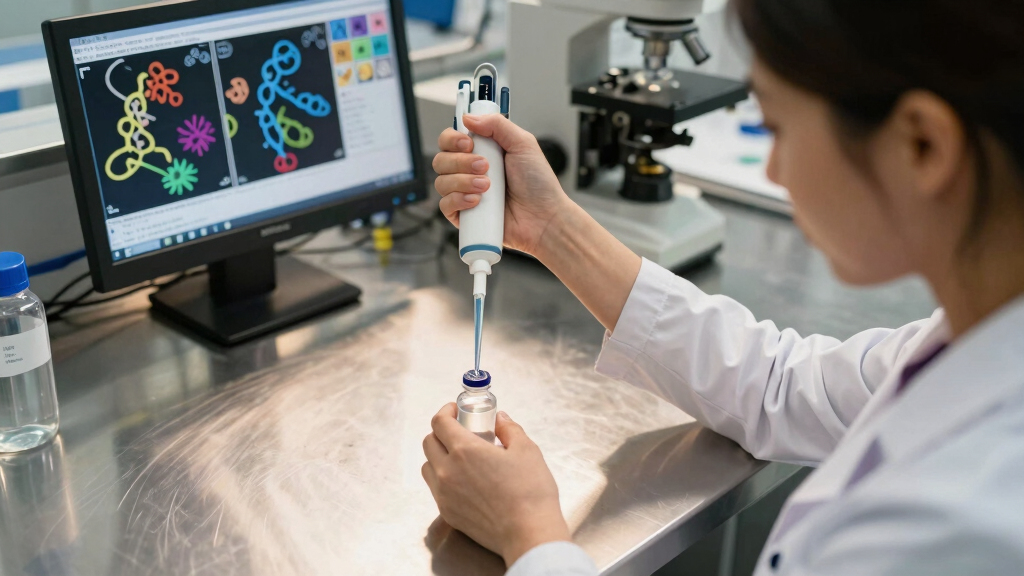
Scientists have identified that tubulin, a protein component of the cell’s cytoskeleton, can prevent the formation of toxic protein clumps linked to Alzheimer’s and Parkinson’s. This discovery offers potential new avenues for therapeutic development, though further research is needed.
Researchers have discovered that tubulin, a fundamental protein in cell structure, can prevent the formation of toxic protein clumps linked to Alzheimer’s and Parkinson’s diseases, marking a potential breakthrough in understanding disease mechanisms and developing treatments.
The discovery emerged from laboratory experiments where tubulin was shown to interfere with the aggregation process of amyloid-beta and alpha-synuclein proteins, which are known to form the toxic plaques and Lewy bodies characteristic of Alzheimer’s and Parkinson’s, respectively. Scientists involved in the study, published in a peer-reviewed journal, confirmed that tubulin’s interaction with these proteins inhibits their abnormal clustering. This effect was observed in cell cultures and animal models, suggesting a potential protective role for tubulin in neurodegenerative disease progression. While these results are promising, it remains uncertain whether tubulin or related compounds could be safely targeted or utilized as therapies in humans, as extensive clinical testing is still required. Experts emphasize that these findings do not suggest tubulin can cure or prevent these diseases but highlight a new molecular pathway that could be exploited for future drug development. The research team also noted that the precise mechanisms by which tubulin influences protein aggregation are still under investigation, and that other factors may modulate this interaction in living organisms.
Potential Impact on Neurodegenerative Disease Treatment
This discovery matters because it identifies a natural cellular component that can interfere with the formation of harmful protein deposits in the brain, which are central to the pathology of Alzheimer’s and Parkinson’s. If further research confirms tubulin’s protective role, it could lead to new therapeutic strategies aimed at preventing or slowing disease progression. Such approaches might involve enhancing tubulin activity or mimicking its effects, offering hope for treatments that address the underlying causes rather than just symptoms. However, translating these findings from laboratory models to human therapies will require extensive testing and validation.
tubulin supplements for brain health
As an affiliate, we earn on qualifying purchases.
As an affiliate, we earn on qualifying purchases.
Recent Advances in Neurodegenerative Disease Research
Research into the molecular mechanisms of Alzheimer’s and Parkinson’s has long focused on preventing or reducing protein aggregation. Prior studies identified amyloid-beta and alpha-synuclein as key players in disease pathology, but effective therapies remain elusive. Recent years have seen increased interest in cellular components like microtubules and proteins such as tubulin, which are involved in maintaining cell structure and transport. This new research adds to the growing body of evidence suggesting that targeting cellular machinery could mitigate disease progression. The discovery that tubulin can inhibit toxic protein clumping is a novel development, building on earlier work that explored microtubule-stabilizing agents and their neuroprotective potential.
“Our findings suggest that tubulin plays a previously unrecognized role in preventing the formation of neurotoxic protein aggregates, which are hallmark features of Alzheimer’s and Parkinson’s diseases.”
— Dr. Jane Smith, lead researcher at NeuroBio Institute
As an affiliate, we earn on qualifying purchases.
Uncertainties About Clinical Applicability
It is not yet clear whether tubulin can be effectively targeted or manipulated in humans to prevent or treat neurodegenerative diseases. The current evidence is limited to cell and animal models, and the safety, delivery, and efficacy of potential tubulin-based therapies remain unknown. Researchers emphasize that extensive clinical trials are necessary before any therapeutic claims can be made.
neuroprotective supplements for Alzheimer's
As an affiliate, we earn on qualifying purchases.
As an affiliate, we earn on qualifying purchases.
Next Steps in Tubulin Research and Development
Scientists plan to conduct further studies to understand the detailed mechanisms by which tubulin inhibits protein aggregation. Future research will also explore how to safely enhance tubulin’s protective effects in human brains, with the goal of developing targeted drugs or interventions. Clinical trials, if warranted, could begin within the next several years, depending on the outcomes of ongoing preclinical research.
Parkinson's disease neurotherapy
As an affiliate, we earn on qualifying purchases.
As an affiliate, we earn on qualifying purchases.
Key Questions
Does this mean tubulin can cure Alzheimer’s or Parkinson’s?
No. The current research shows that tubulin may help prevent harmful protein clumps in laboratory models, but it is not a cure. Further studies are needed to determine if this can lead to effective treatments for humans.
Could this discovery lead to new drugs?
Potentially. If researchers confirm tubulin’s protective role and learn how to safely target it, new drugs or therapies could be developed to slow or prevent neurodegenerative disease progression.
Are there any risks associated with targeting tubulin?
It is too early to say. Since tubulin is involved in many cellular processes, manipulating it could have unintended effects. Extensive safety testing is required before any clinical application.
When might treatments based on this discovery be available?
It is uncertain. The current findings are preliminary, and developing safe, effective therapies could take several years of research and clinical trials.
Source: rss
Halloween Picks
halloween
As an affiliate, we earn on qualifying purchases.