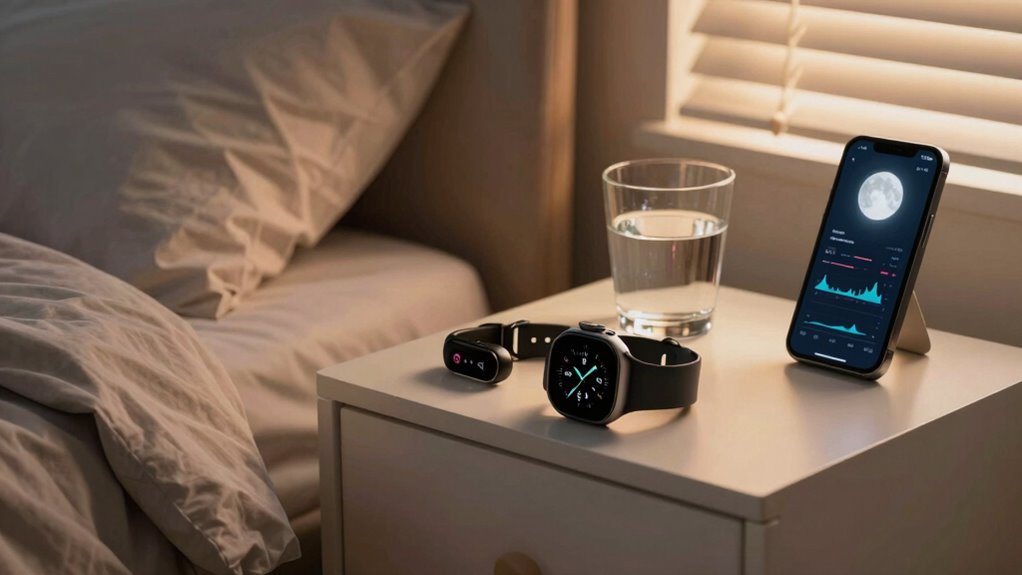

To improve sleep and recovery using your fitness data, focus on tracking metrics like heart rate variability, resting heart rate, and sleep stages to spot patterns and signs of stress or fatigue. Use this information to adjust your training intensity, prioritize restorative activities, and improve your sleep hygiene. Monitoring environmental factors like sleep environment quality and biosensor data offers deeper insights. Keep evaluating your trends to fine-tune routines—if you want to discover more, there’s plenty to explore.
Open a free Amazon Business account
Business pricing, bulk buying and tax-exempt orders.
As an affiliate, we earn on qualifying purchases.
Key Takeaways
- Analyze sleep stages and duration to identify patterns affecting sleep quality and adjust routines accordingly.
- Monitor heart rate variability and resting heart rate to gauge recovery status and modify activity levels.
- Use environmental and biosensor data to optimize sleep environment and understand bodily responses for better rest.
- Set specific goals based on recovery trends, such as increasing rest days or adjusting training intensity.
- Recognize early signs of overtraining or stress through data trends to prevent injury and support recovery.
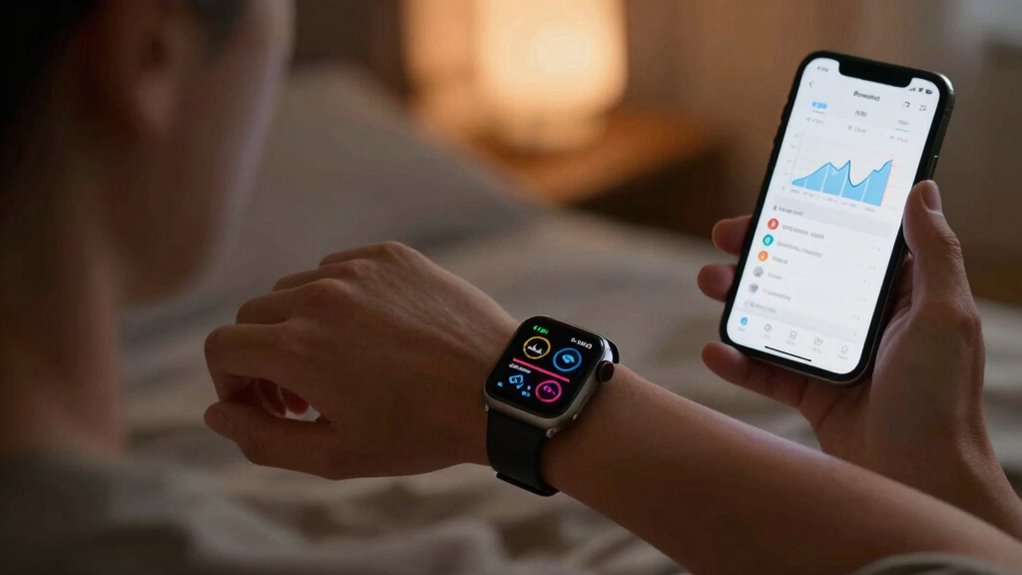
Have you ever wondered how to turn your fitness data into real progress? The key lies in understanding how your sleep quality and recovery metrics can guide your decisions for better rest and recovery. When you track your sleep, you’re not just monitoring how many hours you snooze; you’re gaining insights into the quality of that sleep—how deep it is, how often you wake up, and how refreshed you feel upon waking. Fitness devices and apps collect this data seamlessly, offering you a window into your body’s recovery process. By paying close attention to these metrics, you can identify patterns that influence your overall performance and well-being.
Recovery metrics, such as heart rate variability (HRV), resting heart rate, and sleep stages, provide crucial clues about your body’s ability to repair and prepare for the next day. A high HRV, for instance, indicates a well-recovered state, meaning your nervous system is balanced and ready for physical or mental challenges. Conversely, a lower HRV signals stress or fatigue, suggesting you might need more rest or lighter activity. Use this information to adjust your training intensity and volume, avoiding overtraining and reducing injury risk. When your recovery metrics show signs of strain, prioritize restorative activities like gentle stretching, meditation, or a good night’s sleep. Additionally, understanding the contrast ratio of your sleep environment can significantly impact your sleep quality by enhancing the overall visual comfort and reducing disturbances. Recognizing recovery trends** over time allows you to fine-tune your routines for optimal results. Paying attention to biosensor data, such as skin temperature or oxygen saturation, can further deepen your understanding of your body’s responses and help you make more precise adjustments. Incorporating long-term tracking** of these metrics can help you identify patterns that may not be immediately apparent day-to-day.
A consistent review of these data points can also help you detect ear wax odor, as changes in physical health might subtly influence your overall well-being and recovery capacity. To leverage your fitness data effectively, set specific goals based on your sleep quality and recovery metrics. For example, if your sleep analysis shows frequent disruptions or poor sleep efficiency, focus on improving your sleep hygiene—consistent bedtimes, limiting screen time before bed, and creating a calming environment. When recovery metrics indicate you’re not fully recovered, consider incorporating more rest days or low-impact workouts to allow your body to heal. Tracking these metrics over time helps you recognize trends and make informed adjustments, rather than relying on guesswork.
fitness tracker with sleep stage analysis
As an affiliate, we earn on qualifying purchases.
As an affiliate, we earn on qualifying purchases.
Frequently Asked Questions
How Accurate Are Fitness Trackers in Measuring Sleep Quality?
Fitness trackers provide a decent estimate of sleep quality, but their data accuracy varies. They mainly track your sleep cycle by monitoring movement and heart rate, giving you insights into light, deep, and REM sleep stages. However, subtle changes in sleep quality may not be perfectly captured. While useful for trends, don’t rely solely on them for precise data—consider them a helpful guide rather than an exact measure.
Can Fitness Data Predict Future Sleep Problems?
Yes, your fitness data can hint at future sleep problems, especially if it shows irregular sleep patterns or poor sleep hygiene. By tracking your sleep consistency and stress levels, you can identify patterns that might lead to issues. Prioritizing stress management techniques and maintaining good sleep hygiene helps prevent future sleep problems, and your fitness data serves as a helpful tool to monitor these habits and make necessary adjustments.
What Are the Best Metrics to Monitor for Recovery?
Don’t worry, tracking recovery metrics isn’t complicated. Focus on sleep quality, heart rate variability (HRV), and resting heart rate—these are key for sleep optimization and recovery strategies. Monitoring your HRV helps you understand your body’s stress levels, while resting heart rate indicates overall recovery. By keeping an eye on these metrics, you can adjust your rest and activity levels accordingly, ensuring your body recovers efficiently and stays ready for your next challenge.
How Often Should I Review My Fitness Data for Sleep Insights?
You should review your fitness data for sleep insights daily, ideally in the morning. This helps you identify patterns and assess your sleep hygiene, ensuring you’re getting quality rest. Pay attention to data accuracy, as inaccurate readings can mislead your decisions. Regular review allows you to make timely adjustments to improve sleep habits and recovery, ultimately supporting your overall well-being and fitness goals.
Can Fitness Data Help Identify Underlying Health Issues Affecting Sleep?
Think of your fitness data as a detective’s magnifying glass. It can reveal clues about sleep disorders or stress management issues that might be disrupting your rest. By tracking patterns like heart rate variability or sleep stages, you can spot red flags indicating underlying health problems. This insight helps you address concerns early, improving sleep quality and overall health. Regularly reviewing your data makes you a proactive detective in your wellness journey.
As an affiliate, we earn on qualifying purchases.
Conclusion
Now that you know how to harness your fitness data, the real question is—are you ready to reveal the secret to truly restorative sleep? Each number you track holds the potential to transform your recovery game. But what if the key to better sleep and faster recovery isn’t just in the data itself, but in what you choose to do next? The next move could change everything—are you prepared to take that leap?
As an affiliate, we earn on qualifying purchases.
As an affiliate, we earn on qualifying purchases.
Flea & tick season Picks
flea and tick prevention
As an affiliate, we earn on qualifying purchases.