
TL;DR
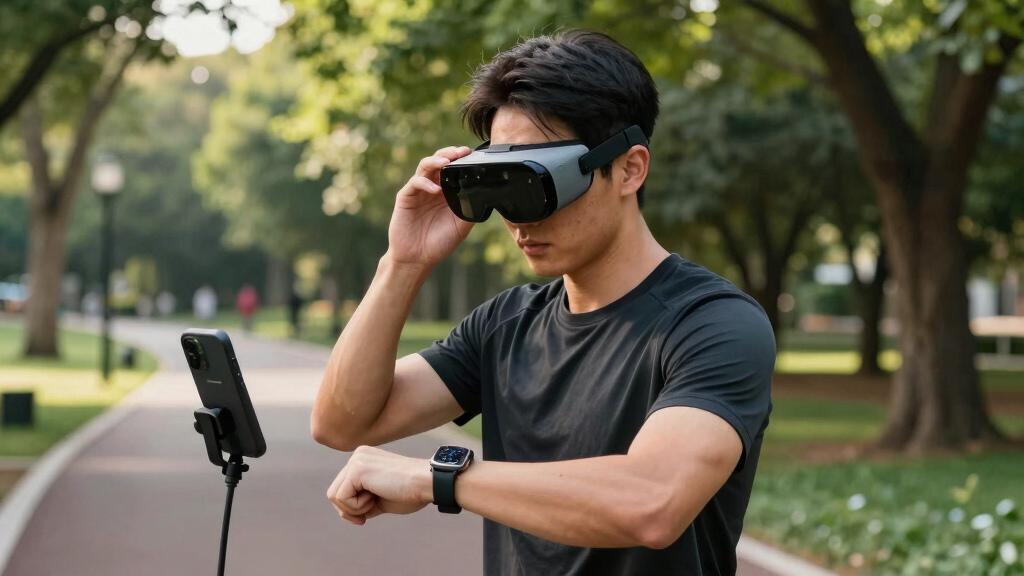
At Augmented World Expo 2026, Snap introduced SPECS, its new standalone augmented reality glasses. They feature high-performance display, advanced waveguide optics, and are designed for everyday use. The development marks a significant step in bringing AR into consumer markets.
Snap has announced SPECS, its new lightweight, standalone augmented reality glasses, at Augmented World Expo 2026. The device features advanced display technology, computer vision capabilities, and a focus on natural, everyday use, marking a significant development in consumer AR hardware.

Get workout gear delivered free with Prime
- Fast, free delivery on millions of items
- Prime Video, Amazon Music and more included
- Member-only deals all year
SPECS are designed to be fully standalone, weighing approximately 132 to 136 grams, with two sizes and removable prescription inserts. They utilize proprietary liquid crystal on silicon displays with a 51-degree field of view and 16 million colors, providing a large, vivid visual experience comparable to a 24-inch monitor or a 115-inch home cinema screen at about 10 feet.
The glasses incorporate redesigned waveguide technology with billions of nanostructures, similar to those used in Boeing 787 Dreamliner windows, allowing for clear, seamless views of the real world. They are powered by two Snapdragon processors dedicated to computer vision and Lens operation, enabling low latency interactions and fast hand tracking. The device offers up to four hours of mixed-use battery life with an additional four charges via a charging case, totaling 20 hours of use.
Potential Impact of the New AR Glasses
The introduction of SPECS represents a major step toward making augmented reality a practical, everyday tool. Their lightweight, standalone design aims to overcome many limitations of previous AR devices, potentially expanding AR’s role in work, education, and social interaction. If widely adopted, they could influence how digital content integrates into daily life, fostering new shared experiences and applications.
Products Worth Considering

Levoit Vital 200S-P Smart Air Purifier for Large Rooms (up to 1875 ft²)

Withings Body Smart Wi-Fi and Bluetooth Body Composition Scale

Withings Body Scan Smart Scale
As an affiliate, we earn on qualifying purchases.
Background and Development Timeline of AR Hardware
Snap has been investing in augmented reality for over a decade, developing hardware, software, and developer tools. Prior efforts included various AR filters and lenses, but SPECS mark a move toward dedicated, consumer-grade AR glasses. The company has filed more than 7,000 patents related to AR technology, emphasizing its long-term commitment to this space. The announcement follows industry trends toward lightweight, wearable AR devices that blend seamlessly into daily routines.
Unanswered Questions About SPECS Availability and Ecosystem
Details about the commercial release date, pricing, and availability of SPECS remain unconfirmed. It is also unclear how developers and consumers will adopt and utilize the device, and what specific applications will be prioritized at launch. Additionally, the extent of integration with existing Snap services and third-party platforms has not been disclosed.
Next Steps for Development and Market Introduction
Snap is expected to provide further details on the consumer rollout, developer ecosystem, and software updates in the coming months. The company may also showcase more applications and partnerships to demonstrate SPECS’ capabilities. Monitoring industry reactions and early developer feedback will be key to understanding how these glasses will perform in real-world settings.
Key Questions
When will SPECS be available to consumers?
Snap has not yet announced an official release date. Further details are expected later this year.
How much will SPECS cost?
Pricing information has not been disclosed; it remains unclear whether SPECS will target the premium or broader consumer market.
Will third-party developers be able to create apps for SPECS?
Yes, Snap is positioning SPECS as a platform for developers, with a dedicated SDK and Lens ecosystem, but specific developer tools and support details are pending.
What are the main use cases for SPECS?
Potential uses include navigation, productivity, entertainment, social sharing, and education, though the full range of applications will depend on developer adoption and user feedback.
How do SPECS compare to existing AR headsets?
They are designed to be lighter, more natural for daily wear, and more integrated into social contexts than many current AR headsets, which tend to be bulkier and more isolated.
Source: Hacker News