
TL;DR
Smart fitness watches combine wearable sensors with a wrist-worn display to track activity, workouts and selected health metrics. They can help you notice patterns and stay motivated, but readings such as calories, sleep stages and heart rate are estimates, so choose a watch for comfort, compatibility, battery life and useful features—not its longest feature list.
Your watch can tell you that you took 8,000 steps, but it cannot tell you whether that was a good day for your body. Smart fitness watches turn movement, heart-rate estimates and workouts into numbers you can check with a glance, which can make daily habits easier to notice.

Get workout gear delivered free with Prime
- Fast, free delivery on millions of items
- Prime Video, Amazon Music and more included
- Member-only deals all year
These devices combine wearable sensors with a wrist-worn display to track activity, workouts and health metrics. They can help you see patterns over weeks, from the evening walks you keep skipping to the long run where your pace changes, but the numbers are estimates rather than medical diagnoses.
Here, you’ll learn what the sensors measure, where accuracy has limits, and what to check before you buy. Imagine choosing between a slim tracker that lasts a week and a feature-packed watch you charge every night: the better fit depends on what you will actually use.
Use the same watch consistently to look for broad trends; treat steps, calories, sleep stages and heart-rate readings as estimates.
Choose built-in GPS if you want outdoor route maps without carrying your phone; connected GPS may be enough if your phone comes along.
Compare battery life against your habits: GPS, bright displays and continuous monitoring can mean more frequent charging.
Check phone compatibility, subscriptions, repair options and data-sharing controls before buying.
Treat an ECG or possible irregular-rhythm alert as a prompt to seek appropriate professional advice, not as a diagnosis.
What a Smart Fitness Watch Can Track in Your Daily Routine
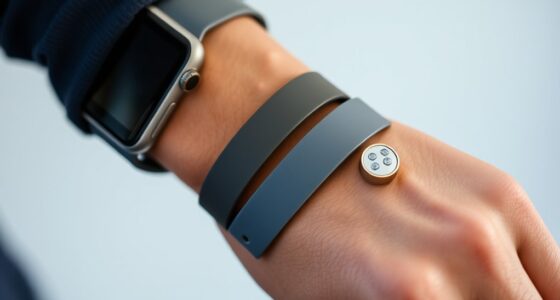
A smart fitness watch tracks movement and selected body signals with sensors on your wrist, then turns those readings into numbers, charts and reminders. Most models count steps, estimate distance and calories, measure heart rate, and record workouts. Some add sleep estimates, blood-oxygen readings, stress indicators or menstrual-cycle logging.
Think of it as a running notebook that fills itself in while you move. If you walk the dog before breakfast, take the stairs at work, and go for a weekend ride, your watch can place those sessions on one timeline. Some models include GPS and map an outdoor route directly; others use a connected phone for location data.
Extra features can make the watch useful between workouts. You might see a call while carrying groceries, skip a song during a run, or pay for a coffee without reaching for your phone. Those conveniences often add to the price and can increase charging needs, so ask which features you would use on an ordinary Tuesday.
Smart fitness watches sit between simple trackers and full smartwatches. Trackers usually emphasize activity and health data, while smartwatches often add more apps and phone features, but the categories overlap. A runner who wants route maps may prefer a focused sports model; someone who wants calendar alerts and contactless payments may value broader smart features.
Products Worth Considering

Withings BPM Vision Blood Pressure Monitor

Withings Body Scan Smart Scale

Levoit Core 400S-P Smart Air Purifier for Large Rooms
As an affiliate, we earn on qualifying purchases.
How to Read Heart Rate, Sleep and Calorie Estimates
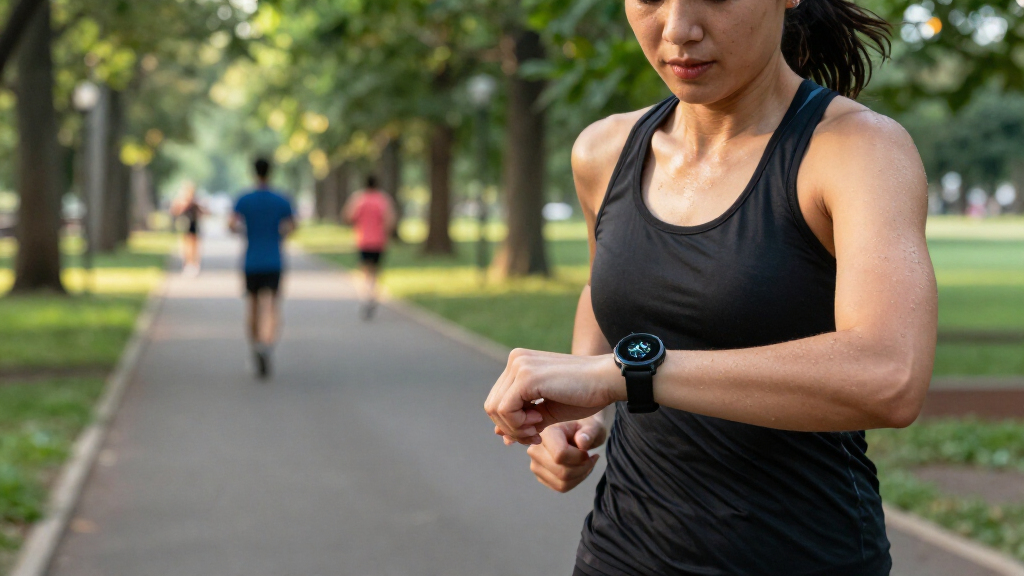
Smart fitness watches provide useful estimates, not guaranteed measurements, and their accuracy depends on the metric and situation. Optical heart-rate sensors use light to estimate changes in blood flow at your wrist. A snug, comfortable fit helps, but arm movement, skin characteristics and the type of exercise can affect the result.
That matters during a workout with quick changes in effort. If you sprint, lift weights or move your wrist sharply, the watch may lag behind how your pulse actually changes. A runner comparing average heart-rate trends across steady walks might find the data helpful, while an athlete making a precise decision about a hard interval should not treat a wrist reading as a medical-grade measurement.
Step counts, calorie burn and sleep stages also come from estimates. For example, a watch may label a restless night as lighter sleep, but it cannot observe sleep the way a specialist’s clinical equipment can. Its best value is the pattern over time: if the same watch repeatedly shows shorter sleep after late shifts, that may be a useful prompt to reflect on your routine.
Use a watch to notice changes and ask better questions. A reading or alert cannot diagnose a health condition or rule one out; if you have concerning symptoms, contact a healthcare professional.
Some watches offer an ECG recording or a notification about a possible irregular rhythm. These features vary by model, country and regulatory clearance, and a watch alert is a reason to seek appropriate advice—not a diagnosis. Treat health scores as a weather report for your habits: a signal worth checking, not a forecast you must obey.
Choose Between a Fitness Tracker and a Full Smartwatch
A fitness tracker focuses on activity and health features, while a full smartwatch usually adds more apps and phone-related tools. The lines blur: some sports-focused watches offer notifications and payments, while some stylish smartwatches offer detailed workout tracking. Your day-to-day needs tell you more than the label on the box.
| What you care about | Fitness-focused watch | Broader smartwatch |
|---|---|---|
| Workouts and activity | Often puts exercise tools first | May offer workout features alongside apps |
| Notifications and apps | May offer basic alerts | Often offers a wider app selection |
| Charging | Some models last many days or weeks | Some feature-rich models need daily or near-daily charging |
| Phone connection | Can be simpler, but compatibility still matters | May depend closely on a phone brand or operating system |
| Cost | May cost less, depending on features | Can cost more and may add paid services |
Suppose you run before work and want GPS route maps but ignore most phone alerts. A focused model with reliable GPS and longer battery life may suit you better than a watch loaded with apps. If you commute by train, take calls away from your phone and want music controls, a broader smartwatch could earn its place on your wrist.
Before buying, check phone compatibility, subscription requirements, repair options and the total price. A watch that needs a paid plan for detailed reports may cost more over a year than its sticker price suggests. Try the band if you can: a light, comfortable watch you wear consistently can be more useful than an expensive model that feels clunky by lunchtime.
Pick the Features That Match Your Workouts and Charging Habits
Choose a watch by starting with your regular routine, then match its tracking, GPS and battery features to that routine. Comfort and compatibility matter as much as a long specification list because you need to wear and use the watch for its numbers to mean anything. A five-minute check before checkout can save you from paying for features you rarely touch.
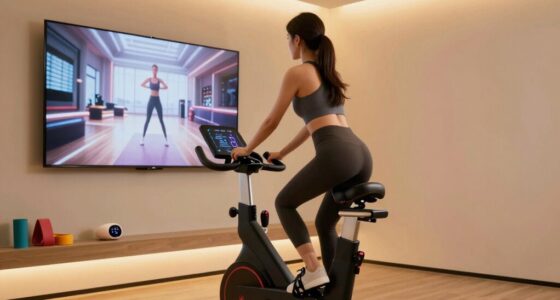
- Name your main activity. If you walk indoors, basic step and heart-rate tracking may cover your needs; if you run outside without your phone, look for built-in GPS.
- Check the phone connection. Confirm your model supports your phone and that key features work between them, such as notifications or health-data sharing.
- Match the battery to your week. Some feature-rich watches last a day or two, while simpler fitness-focused models may last several days or weeks. GPS, a bright display and continuous monitoring can shorten runtime.
- Try the fit and controls. A band that rubs during a run or a screen you cannot read in sunlight will quickly become a drawer resident.
- Check the full cost. Look for subscriptions, replacement bands, repair choices and the data features included without a paid plan.
For example, if you charge your phone nightly and already sleep without a watch, daily charging may not bother you. If you want overnight sleep estimates and weekend GPS hikes, a longer-lasting model may fit better because charging interruptions can leave gaps in your records.
Water resistance deserves its own check. A rating that supports swimming does not automatically cover diving, hot tubs, soap or chemicals. Follow the maker’s instructions for the exact model; after a pool session, rinse and dry the watch if its care guidance recommends it.
Use Your Watch to Build Habits Without Chasing Every Score
A watch can make a habit easier to see by giving you a small reminder and a record of what you did. Its step count might nudge you to take a short walk after lunch, and a weekly chart might show that your Sunday ride is the most consistent workout you do. Small, repeatable actions tend to be easier to keep than a dramatic target you abandon after three days.
Pick one signal and give it a real-world job. If you sit through long meetings, set an optional movement reminder and use it as a cue to stretch or refill your water. If you are building a walking habit, compare your step trend each Sunday rather than judging one rainy day against a fixed daily goal.
Recovery and readiness scores can offer another view of your routine, but each brand uses its own formula. If a watch shows a low score after a late night, you might choose an easy walk over a strenuous workout; that choice is yours, and the number alone does not say what your body needs. Treat a score as one input alongside how you feel, your schedule and any professional guidance you already follow.
Privacy is part of the habit, too. Health and location data may stay on the watch or phone, or may be stored on company servers. Before enabling location sharing or linking another fitness app, check what data the service collects, how it shares it, and whether you can export or delete it. A route map can be handy for a trail run, but you may not want your home address attached to a public activity feed.
Frequently Asked Questions
Are smart fitness watches accurate?
They can help you follow broad patterns, but accuracy varies by device, metric and activity. Heart rate can be less reliable during intense movement or strength training, and calorie and sleep-stage figures are estimates.
Can a fitness watch detect heart problems?
Some models can record an ECG or flag a possible irregular rhythm, depending on the model and where you live. These features do not diagnose a condition or rule one out; contact a healthcare professional if you have concerning symptoms.
Do I need GPS in my watch?
Built-in GPS helps map outdoor walks, rides or runs when you leave your phone behind. If your phone is usually with you, a watch using the phone’s connected GPS may meet your needs.
How long does a smart fitness watch battery last?
It depends on the model and settings. Some feature-rich watches last roughly a day or two, while simpler fitness-focused models may last several days or weeks; GPS use, bright displays and continuous monitoring usually shorten battery life.
Can I swim or shower while wearing a fitness watch?
Check the specific model’s water-resistance rating and care instructions. A swimming-suitable rating does not automatically cover diving, hot tubs, soap or chemical exposure.
Will a smart fitness watch work with my phone?
Compatibility varies by watch, phone and operating system. Check that the watch supports your phone and that the features you want, including notifications or data sharing, work across both.
Conclusion
Pick a watch that feels comfortable, works with your phone and tracks the activities you already do. Use its numbers as clues to your habits, not as a verdict on your health or your day.
When you find the right fit, the watch becomes a quiet companion: a little nudge on your wrist, then the door opens and your walk begins.