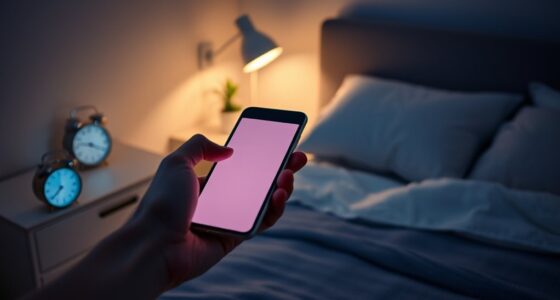
Wellness apps can genuinely support your mental health if they prioritize data privacy and security, keeping your sensitive information safe and building your trust. Engaging features like personalized feedback, progress tracking, and community support can motivate you to develop healthier habits and stay consistent. Apps hosted on strict privacy standards, like European servers, further protect your data. If you want to learn how to choose the right app that truly helps, it’s worth exploring more.
Open a free Amazon Business account
Business pricing, bulk buying and tax-exempt orders.
As an affiliate, we earn on qualifying purchases.
Key Takeaways
- Well-designed wellness apps can improve mental health by encouraging consistent self-awareness and tracking progress.
- Secure data practices foster user trust, increasing honest engagement and app effectiveness.
- Privacy protections, especially via European hosting, reduce data breach risks and enhance user confidence.
- Engaging features like personalized notifications and feedback motivate ongoing app use.
- Overall, when privacy and engagement are prioritized, wellness apps can be a valuable mental health support tool.
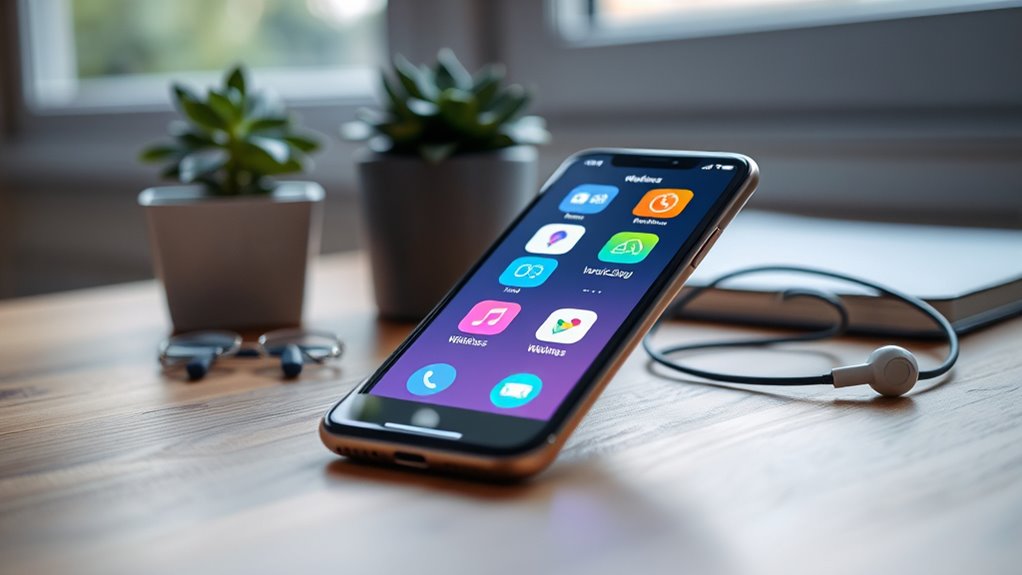
Digital privacy is a vital concern when using wellness apps. Many of these apps collect sensitive data—your mood logs, personal reflections, sleep patterns, and even biometric information. If this data isn’t adequately protected, it can be vulnerable to breaches or misuse. You should always review the app’s privacy policy and data encryption practices before trusting it with your personal information. Some apps may share data with third parties or use it for targeted advertising, which can undermine your sense of security and trust. Knowing that your information is handled responsibly encourages more honest engagement with the app, making it a more effective tool for improving mental health. When your privacy feels secure, you’re more likely to use the app consistently and honestly, which enhances its potential benefits. Additionally, choosing apps hosted on European cloud servers can offer enhanced data protection and compliance with stringent privacy regulations. User engagement is another critical aspect that determines whether wellness apps help or hinder your mental health. These apps are most effective when they foster regular, meaningful interactions. If the app employs engaging features—such as personalized notifications, progress tracking, or gamification—you’re more inclined to stick with your routines. Conversely, if the app feels generic or overly complicated, you might lose motivation quickly. The key is finding an app that adapts to your needs and motivates you to keep returning. Consistent use helps reinforce positive habits and promotes ongoing self-awareness. When you’re actively engaged, you’re more likely to notice shifts in your mood or behavior, which can guide you toward better mental health practices. Apps that foster a sense of community or provide instant feedback can also boost user engagement, making your mental health journey feel supported and less isolating. Ultimately, the effectiveness of wellness apps hinges on your trust in their handling of digital privacy and your willingness to engage actively. When you feel confident that your data is secure and the app offers meaningful, motivating features, you’re more likely to integrate it into your daily routine. This combination of trust and engagement can turn a simple app into a powerful tool for managing stress, improving mood, and fostering overall mental wellness. So, as you explore different apps, keep these factors in mind—they’re essential for turning digital tools into genuine sources of support.
mental health wellness apps with data privacy
As an affiliate, we earn on qualifying purchases.
As an affiliate, we earn on qualifying purchases.
Frequently Asked Questions
Are Wellness Apps Suitable for Severe Mental Health Conditions?
Wellness apps aren’t suitable for severe mental health conditions, as severity consideration shows they often have app limitations. These apps can help with mild issues, but if your condition is severe, you need professional support. Don’t rely solely on apps for serious concerns. Instead, seek a mental health professional who can provide tailored treatment, because apps can’t replace holistic care for more complex or intense mental health struggles.
How Do Wellness Apps Compare to Traditional Therapy Methods?
Imagine traditional therapy as a steady lighthouse guiding you through stormy seas, while wellness apps are like flickering lanterns—helpful but sometimes inconsistent. You need digital literacy to navigate these tools effectively, and user engagement keeps you connected. Wellness apps can supplement therapy but rarely replace the depth of face-to-face interactions, making them more like helpful signals than all-encompassing solutions. Both have their place on your mental health journey.
Can Wellness Apps Replace Professional Mental Health Treatment?
Wellness apps can’t fully replace professional mental health treatment, but they can support your journey. They promote self-monitoring and boost user engagement, helping you track moods and manage stress effectively. However, for serious issues, seeking a therapist is essential. Apps are great supplementary tools, but they lack the personalized care and expertise that a mental health professional provides. Use them wisely alongside professional help for the best results.
What Privacy Concerns Are Associated With Mental Health Apps?
You should know that privacy concerns with mental health apps include risks to data security and maintaining user anonymity. Your sensitive information might be vulnerable if the app doesn’t use strong encryption or secure storage. Additionally, you might worry about your identity being exposed or shared without your consent. Always check the app’s privacy policy and security measures to safeguard your personal data and guarantee your anonymity is preserved.
How Effective Are Wellness Apps Across Different Age Groups?
Think of wellness apps like a bridge that connects different age groups; they work well for some but not all. You’ll find that their effectiveness varies due to age-specific engagement and tech savviness disparities. Younger users often adapt quickly and benefit more, while older users might struggle with interface complexity. So, these apps are helpful, but their impact depends on how well they match each age group’s familiarity with technology.
best mood tracking apps for mental health
As an affiliate, we earn on qualifying purchases.
As an affiliate, we earn on qualifying purchases.
Conclusion
While wellness apps can be a helpful tool, they aren’t a cure-all for mental health issues. You need to remember that they’re just one piece of the puzzle, and relying solely on them might be putting all your eggs in one basket. It’s important to combine app use with professional support and real-life connections. Don’t forget, sometimes you have to face the music and seek help beyond what technology can offer.
mental health apps with European servers
As an affiliate, we earn on qualifying purchases.
As an affiliate, we earn on qualifying purchases.
As an affiliate, we earn on qualifying purchases.
Fall yard work Picks
leaf blowers
As an affiliate, we earn on qualifying purchases.