
To spot a fake gadget, check the packaging for quality printing, logos, and holograms that match the official brand. Examine the build quality—look for loose parts, uneven seams, and poor materials. Be cautious of markedly lower prices and buy only from trusted sellers or official stores. Also, test features like the display and buttons to make sure they perform as expected. If you’re curious about more tips, continue to learn how to protect yourself from counterfeit tech.
Key Takeaways
- Check for official branding, serial numbers, and logos to verify authenticity.
- Examine packaging quality for sturdy materials, clear printing, and detailed labels.
- Assess build quality, noting loose parts, uneven seams, or unresponsive features.
- Purchase from trusted retailers and compare prices to avoid deals that seem too good to be true.
- Verify display quality and features against official specifications to detect corner-cutting or poor craftsmanship.
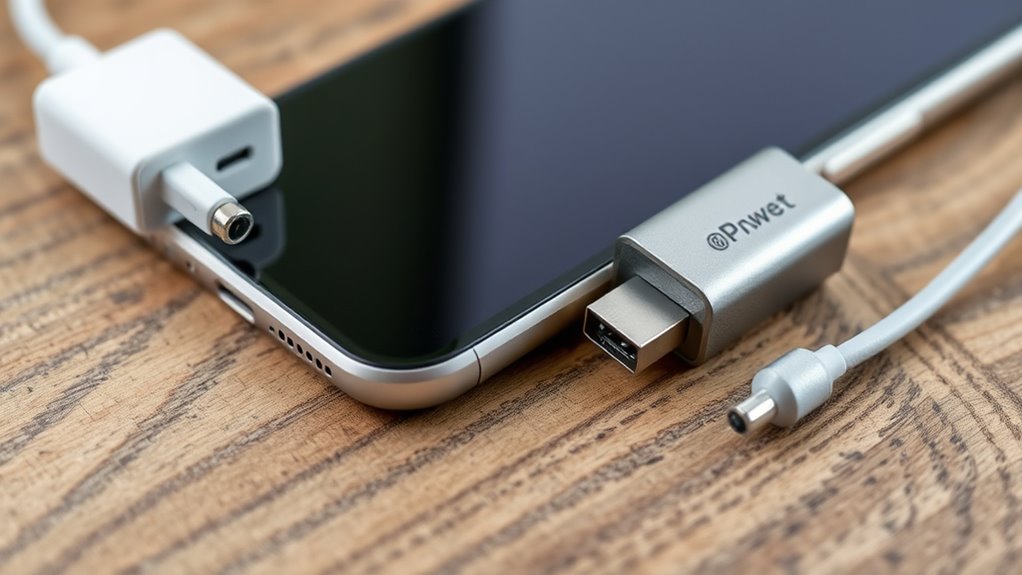
In today’s market, spotting fake gadgets can save you both money and frustration. Counterfeit tech products often look convincing at first glance, but a closer inspection reveals key differences that help you avoid falling for scams. One of the most reliable indicators of authenticity is brand authenticity. Genuine gadgets are produced by reputable companies committed to maintaining high standards, and their products typically include official branding, logos, and serial numbers that match the manufacturer’s records. When you’re shopping, always verify the branding details—fakes often have misspelled logos, inconsistent fonts, or poorly applied decals that don’t align with the authentic brand’s style. Authentic brands also *guarantee* their products are tested for quality, so if a device seems unexpectedly cheap or poorly made, it’s a red flag.
Verify branding details; fake gadgets often have misspelled logos and inconsistent fonts.
Packaging quality offers another *vital* clue. Authentic gadgets come in sturdy, well-designed packaging with high-quality printing and clear, professional logos. Counterfeit packaging often feels flimsy, has blurry images, or contains spelling mistakes. Examine the box carefully—authentic products usually include detailed labels, barcodes, and holograms that are difficult to replicate. If the packaging appears to be made from cheap materials or the printing is inconsistent, it’s likely a fake. Also, pay attention to the accessories included; genuine gadgets come with the correct cables, manuals, and warranty cards, all of which are neatly arranged and match the product’s branding.
Beyond packaging and branding, consider the overall build quality of the device. Fake gadgets tend to have inferior materials, uneven seams, or loose parts. They might also lack the weight or feel of authentic products. When you power it on, check for signs of poor craftsmanship—like flickering screens, unresponsive buttons, or inconsistent audio. Genuine gadgets usually undergo rigorous quality control, which fake versions often skip. If something feels off during initial handling, trust your instincts and dig deeper before purchasing.
Additionally, always buy from trusted sources. Official stores, authorized retailers, or well-known e-commerce platforms reduce the risk of buying counterfeits. Be wary of deals that seem too good to be true—extremely low prices are often a giveaway that the product isn’t authentic. Do your research beforehand by comparing prices and features on the brand’s official website. If you notice discrepancies in the product description, packaging, or pricing, it’s better to look elsewhere. Furthermore, understanding contrast ratio and how it affects image quality can help you identify genuine high-end gadgets versus fakes that often cut corners on display features.
Frequently Asked Questions
Can Fake Gadgets Cause Safety Hazards?
Fake gadgets can definitely cause safety hazards. Counterfeit electronics often lack proper safety features, risking electric shocks, overheating, or fires. Plus, since fake warranties don’t cover repairs or replacements, you’re left vulnerable if something goes wrong. When you buy counterfeit tech, you might save money upfront but could face serious safety issues later. Always verify authentic products to protect yourself from potential harm and avoid the risks associated with counterfeit electronics.
How Do Counterfeit Chargers Affect Device Performance?
Imagine you’re about to dial your friend in 1999 and your counterfeit charger affects your device performance. Fake chargers can cause poor charger safety, overheating, and damage your device’s battery or components. They often lack proper device compatibility, leading to slower charging or complete failure. Always choose genuine chargers to guarantee your device functions correctly, remains safe, and avoids costly repairs—because counterfeit tech just isn’t worth the risk.
Are Fake Gadgets Compatible With Original Accessories?
Fake gadgets often aren’t compatible with original accessories, leading to accessory compatibility issues. You might find that chargers, cases, or other peripherals don’t fit properly or don’t work as intended. Counterfeit accessory issues can also cause damage to your device or reduce performance. To avoid these problems, always verify the authenticity of both the gadget and its accessories before making a purchase. This helps guarantee smooth operation and safety.
Can Counterfeit Tech Void Device Warranties?
Counterfeit tech can definitely void your device warranty. When you buy, focus on product authentication and seller credibility to avoid fake gadgets. If the seller isn’t reputable or the product lacks proper authentication, your manufacturer likely won’t cover repairs or replacements. Always verify the seller’s credentials and look for original packaging and official seals. This way, you safeguard yourself from losing warranty benefits and ensure your device’s authenticity.
What Legal Risks Are Involved in Buying Counterfeit Gadgets?
Buying counterfeit gadgets can lead to serious legal consequences, including fines and even criminal charges. You’re infringing on intellectual property rights, which can result in lawsuits from the original manufacturers. Additionally, purchasing fake tech supports illegal activities and compromises your safety. To avoid these risks, always buy from reputable sources and verify authenticity. Ignoring these precautions could expose you to legal action and damage your reputation.
Conclusion
Now that you’re armed with these tips, you can navigate the tech jungle like a savvy explorer, dodging the quicksand of counterfeit gadgets. Remember, the real deal shines brighter than a diamond in the rough, so trust your instincts and do your homework. Don’t let fake tech be the wolf in sheep’s clothing—stay vigilant and keep your tech treasures genuine. Your smart choices will light your path to authentic gadgets and peace of mind.