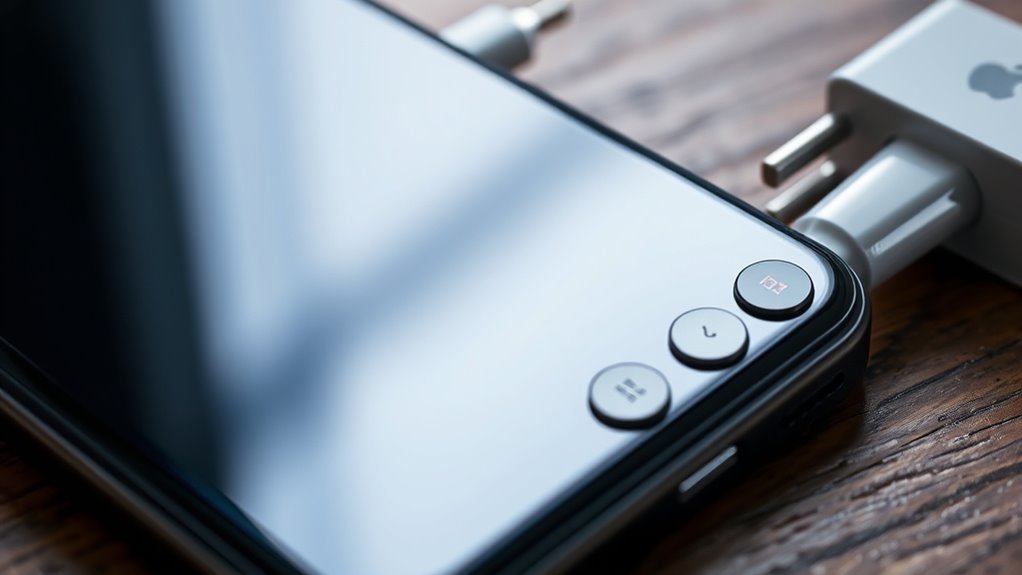

To spot a fake gadget, start by inspecting the packaging for high-quality printing, accurate colors, and proper alignment—shoddy packaging is a red flag. Check the hardware for loose parts, uneven seams, or unfamiliar ports. Verify the serial number with the manufacturer, as fakes often have tampered or missing IDs. Test the device’s performance—if it’s slow or lacks updates, it might be counterfeit. Be cautious about deals that seem too good to be true; they often are. Keep these tips in mind to avoid counterfeit tech.
Key Takeaways
- Examine packaging for high-quality printing, accurate colors, and proper alignment; flimsy or blurry packaging indicates a fake.
- Check hardware build quality for loose buttons, uneven seams, misaligned parts, and rough surfaces.
- Verify serial numbers with the manufacturer; poorly printed or missing serials suggest counterfeit products.
- Test device software for updates and performance; fake gadgets often lack proper support and exhibit bugs.
- Purchase from reputable sources and compare product details with official images to avoid counterfeit gadgets.

With the rise of counterfeit gadgets flooding the market, it’s more important than ever to learn how to spot fake products before making a purchase. One of the most noticeable clues lies in counterfeit packaging. Genuine products usually come in high-quality packaging with crisp printing, accurate colors, and properly aligned text. If the packaging feels flimsy, has blurry images, or the colors look off, it’s a red flag. Counterfeit packaging often uses cheaper materials and may have spelling errors or misspelled brand names. These small details can reveal a lot about the authenticity of the device inside. Take the time to compare the packaging with official images from the brand’s website or authorized retailers. If there’s any inconsistency, it’s best to be cautious. Additionally, visual and auditory elements are often lacking or poorly executed in counterfeit ads, which can be another clue to verify authenticity.
Another key indicator to watch for is hardware discrepancies. Authentic gadgets are assembled with precision, so if you notice loose buttons, uneven seams, or misaligned parts, it’s a sign that the device might be fake. Counterfeit gadgets often cut corners during manufacturing, leading to subpar build quality. Check the weight of the device as well; counterfeit versions can feel lighter or heavier than genuine ones due to inferior components or different materials. Pay attention to the finish and texture—authentic devices usually have a smooth, polished surface, while counterfeits might feel rough or uneven. Also, examine ports and connectors; fake gadgets might have poorly fitted or misshapen ports that don’t align properly or don’t work with standard cables. Be especially cautious if the device’s sound quality or display resolution differs from official specifications, as this can indicate a counterfeit.
You should also scrutinize the labels and serial numbers. Genuine devices often have unique serial numbers that you can verify with the manufacturer. Counterfeit gadgets might have fake serial numbers or none at all. If the serial number appears tampered with or the label looks poorly printed with smudges or inconsistent fonts, these are clear signs of a fake. Additionally, test the device’s functionality. Fake gadgets may not support software updates or may exhibit performance issues, such as slow response times or bugs that don’t occur on legitimate models. Always buy from reputable sources, and if a deal seems too good to be true, it probably is.
genuine gadget packaging verification
As an affiliate, we earn on qualifying purchases.
As an affiliate, we earn on qualifying purchases.
Frequently Asked Questions
Can Fake Gadgets Cause Long-Term Damage to Devices?
Fake gadgets can cause long-term damage to your devices. They often have poor battery health, leading to quicker degradation or even leaks that harm your device. Additionally, counterfeit tech may lack proper software compatibility, causing crashes or malfunctions over time. These issues can weaken your device’s performance and longevity, making it essential to verify authenticity and avoid counterfeit gadgets to protect your device’s health and functionality.
Are Counterfeit Gadgets Safe for Children?
Counterfeit gadgets are not safe for children because they often lack proper safety standards and toy authenticity. These fake toys may contain harmful materials or small parts that pose choking hazards, risking child safety. Always check for genuine labels and trusted brand markings to guarantee your child’s safety. Avoid buying cheap imitations, as authentic toys meet safety regulations, providing peace of mind and protecting your child’s well-being.
How Do Counterfeit Accessories Affect Device Warranties?
Oh, the thrill of warranty issues with counterfeit accessories—what fun! When you buy fake tech, you risk voiding your device’s warranty because authenticity verification becomes a joke. Manufacturers often refuse repairs or replacements, leaving you stranded with a malfunctioning gadget. So, next time, skip the counterfeit fun and stick to authentic accessories; it’s the only way to truly protect your device and enjoy peace of mind.
What Are the Legal Risks of Buying Fake Gadgets?
Buying fake gadgets can lead to serious legal consequences, including fines and even criminal charges. When you purchase counterfeit tech, you’re infringing on intellectual property rights, which can result in lawsuits from the original manufacturers. These legal risks aren’t worth it, as they can disrupt your life and financial stability. Always choose authentic products to stay within the law and support innovation.
Can Fake Gadgets Pass Security or Malware Scans?
Fake gadgets are like Trojan horses—appearing genuine but hiding security vulnerabilities inside. They often can’t pass legitimate security or malware scans, making them easy targets for malware infiltration. This means your device could become a gateway for cyber threats, risking data theft or damage. You might think you’re safe, but counterfeit tech often bypasses security checks, leaving you vulnerable to malicious software and compromised privacy.

Datacolor SpyderCHECKR 24 – Color calibrate your camera for consistent image color across multiple camera systems/lighting conditions. Target color chart has 24 target colors + grey card.
𝗖𝗢𝗟𝗢𝗥 𝗔𝗖𝗖𝗨𝗥𝗔𝗖𝗬, 𝗗𝗘𝗙𝗜𝗡𝗘𝗗 𝗗𝗘𝗧𝗔𝗜𝗟: Ensure accurate, consistent color from one shot to another, across different cameras, lenses, and…
As an affiliate, we earn on qualifying purchases.
As an affiliate, we earn on qualifying purchases.
Conclusion
Now that you know the signs of counterfeit tech, you’ll be better prepared to spot fakes before you buy. But remember, counterfeiters are constantly evolving their tricks, making it harder to tell what’s real. Stay vigilant and always double-check every detail. Because one overlooked clue could mean the difference between enjoying genuine quality and falling for a clever imitation—something you definitely won’t want to discover too late. Keep your guard up; the real deal might be closer than you think.

XOOL 200 in 1 Precision Screwdriver Kit, Electronics Repair Tool Magnetic Driver Kit with 164 Bits, Flexible Shaft, Extension Rod for Computer, iPhone, Laptop, PC, PS4, Xbox, Nintendo
【200 in 1 Screwdriver Kit】This electronic screwdriver tool kit includes 2 non-slip screwdriver handles, precision anti-static tweezers, flexible…
As an affiliate, we earn on qualifying purchases.
As an affiliate, we earn on qualifying purchases.

MobileDetect Pouch Residue Detection Multi-Drug Test Kit – Rapid Surface Residue Detector
Easy-to-use pouch provides industry leading presumptive testing results.
As an affiliate, we earn on qualifying purchases.
As an affiliate, we earn on qualifying purchases.