
TL;DR
ReactOS, an open-source Windows-compatible OS, has achieved the milestone of running Half-Life with 3D acceleration on real hardware. This marks a significant step in its development, demonstrating improved compatibility with Windows games.
ReactOS has achieved the ability to run the Windows version of Half-Life with 3D acceleration on real hardware, marking a significant milestone in its ongoing effort to provide binary compatibility with Windows applications and games.
Developers and users of ReactOS, an open-source operating system aiming for Windows compatibility, announced that Half-Life, the classic first-person shooter, now runs with 3D acceleration on physical hardware. The achievement was demonstrated on a Dell OptiPlex system equipped with a Core i5 2400 processor and an NVIDIA GeForce 8400GS graphics card, with the game successfully rendering in-game graphics.
This marks the first confirmed instance of Half-Life running in-game with full 3D acceleration on ReactOS, a project that has been in development for nearly three decades. Previously, reports indicated that Half-Life at least initialized under ReactOS, but full in-game functionality with hardware acceleration had not been documented until now. The development team highlighted this as a key step toward broader compatibility with Windows-based games and drivers.
Impact of Running Half-Life on ReactOS Hardware
This milestone demonstrates ReactOS’s progress in achieving practical Windows binary compatibility, particularly for gaming and graphics-intensive applications. It provides a proof of concept that ReactOS can support legacy Windows games with hardware acceleration, which could encourage further development and adoption among enthusiasts interested in open-source alternatives to Windows.
While ReactOS remains a work in progress, such developments highlight its potential as a free, open-source platform capable of running Windows applications at a functional level, especially for users seeking an alternative OS that supports legacy software and gaming.
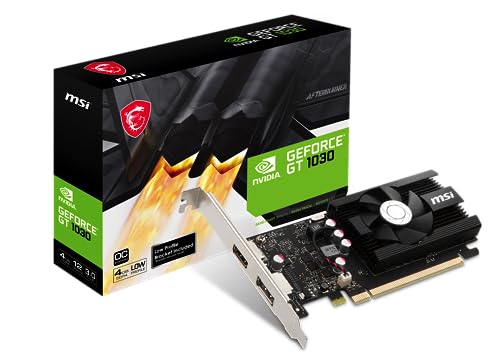
msi Gaming GeForce GT 1030 4GB DDR4 64-bit HDCP Support DirectX 12 DP/HDMI Single Fan OC Graphics Card (GT 1030 4GD4 LP OC)
- Chipset: NVIDIA GeForce GT 1030
- Video Memory: 4GB DDR4
- Boost Clock: 1430 MHz
As an affiliate, we earn on qualifying purchases.
As an affiliate, we earn on qualifying purchases.
ReactOS Development and Compatibility Goals
ReactOS, launched in 1996 and in active development for over 28 years, aims to provide binary compatibility with Windows NT-based operating systems. Its goal is to enable users to run Windows applications and drivers natively, without relying on emulation or compatibility layers like Wine. Over the years, progress has included support for core Windows APIs and driver frameworks, but full hardware acceleration for 3D graphics has remained a challenging milestone.
Previous reports indicated that ReactOS could initialize certain Windows applications and even run some older software, but achieving full in-game functionality with hardware acceleration has been elusive. The recent demonstration of Half-Life running with 3D acceleration signifies a notable step toward the project’s compatibility ambitions.
“Getting Half-Life to run with hardware acceleration on real hardware is a major milestone for us. It shows that our efforts to improve Windows compatibility are paying off.”
— an anonymous developer involved in ReactOS

WIWB Gaming Desktop PC – Ryzen 5 4500, GeForce RTX 3050, 16GB DDR4 RAM, 512GB NVMe SSD, WiFi 6 – Desktop for Gaming, Streaming, School, Home Office & Everyday Use
- Processor: Ryzen 5 4500 6-core CPU
- Graphics Card: GeForce RTX 3050 6GB GPU
- Memory: 16GB DDR4 RAM
As an affiliate, we earn on qualifying purchases.
As an affiliate, we earn on qualifying purchases.
Remaining Challenges in Full Hardware Compatibility
While the successful running of Half-Life with 3D acceleration is confirmed, it is not yet clear how stable or fully compatible the system remains under prolonged use or with other modern hardware and drivers. The extent to which ReactOS can support a broader range of Windows games and applications with similar hardware acceleration remains to be seen. Additionally, ongoing development efforts are needed to improve stability, driver support, and user experience.

Retro-Bit Legacy 16 Wired USB Controller – Features Home, SS & ZL/ZR Buttons – for Switch, PC, MacOS, RetroPie, Raspberry Pi – Onyx
- Device Compatibility: Compatible with Switch, PC, Mac, RetroPie
- Cable Length: 10ft / 3m cable
- Additional Buttons: Home and Screenshot buttons
As an affiliate, we earn on qualifying purchases.
As an affiliate, we earn on qualifying purchases.
Next Steps in ReactOS Hardware and Software Support
Developers are likely to focus on testing additional Windows applications and games with hardware acceleration, as well as refining driver support for modern hardware components. Further demonstrations and benchmarks may follow, aiming to showcase broader compatibility and stability. The project also plans to engage with the community for testing and feedback to accelerate progress toward a more mature, usable operating system.
As an affiliate, we earn on qualifying purchases.
Key Questions
What does running Half-Life with 3D acceleration on ReactOS mean for users?
It indicates that ReactOS is progressing toward supporting Windows applications and games with hardware acceleration, which could benefit users interested in an open-source alternative for legacy software and gaming.
Is ReactOS ready for daily use on modern hardware?
Not yet. While this milestone shows promising progress, ReactOS remains a work in progress and may not yet offer the stability or hardware support needed for daily use on modern systems.
Will ReactOS support newer Windows games and drivers soon?
Support for newer Windows software and drivers is still under development. Achievements like running Half-Life are encouraging, but broader compatibility will require ongoing effort.
How does this compare to running Half-Life on Linux via Wine?
Running Half-Life on Linux via Wine is well-established and generally more stable. ReactOS’s progress is notable as it aims to provide native compatibility without emulation, but it is still in early stages compared to mature Linux solutions.
Source: Hacker News