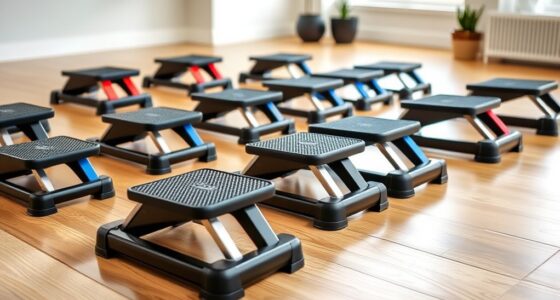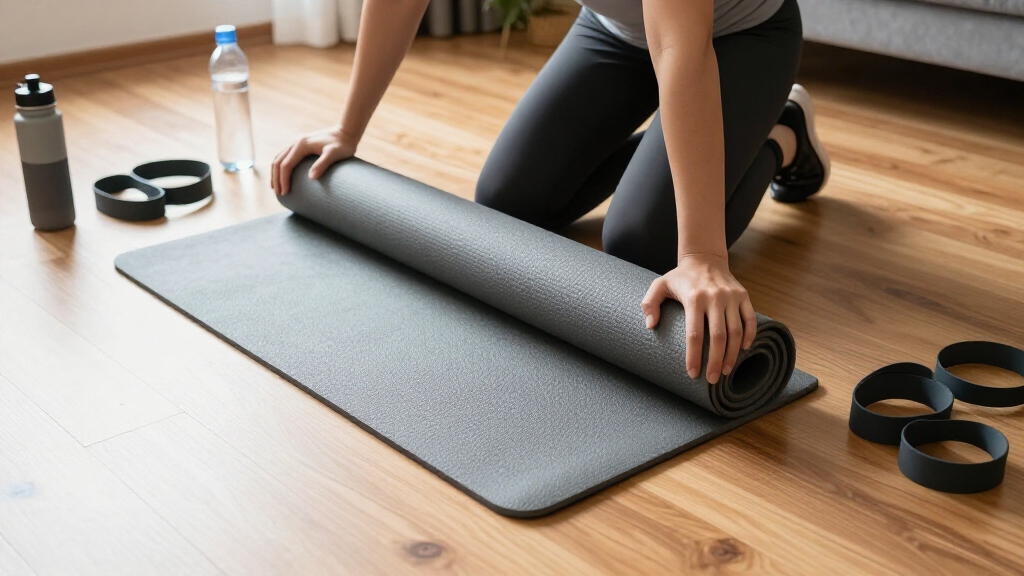

Compact foldable exercise mats solve a real problem: they pack down small enough for a closet, suitcase, or under-bed storage, yet still give you a usable surface for yoga, Pilates, core work, and floor training. After comparing 11 popular models, the CAP Barbell Folding Exercise Mat stands out as the best overall pick thanks to its 2-inch protective foam and durable anti-tear shell, while the Readaeer Foldable Yoga Mat with Carrying Bag is the smarter choice for travelers who want something lighter and easier to haul. The main tradeoff in this category is portability versus cushioning: thin 6mm TPE mats fold into tight bundles but offer minimal joint protection, while thick multi-panel mats protect your spine and knees but take up more room and weigh more. Fold count, panel creases, and carry solutions also separate the contenders more than price does. Read on for the full breakdown, including which mats suit beginners, travel, and heavy floor work.

Get workout gear delivered free with Prime
- Fast, free delivery on millions of items
- Prime Video, Amazon Music and more included
- Member-only deals all year
Complete the kit


Key Takeaways
- Thickness was the biggest differentiator in this roundup: the amazon.com/dp/B0D9MWTQ9K?tag=wiredworkout-20&ascsubtag=dc-600937″ target=”_blank” rel=”nofollow sponsored noopener”>CAP Barbell’s 2-inch foam and the Bala‘s 12mm cushioning protect knees and spine during floor work, while the 6mm TPE mats (Readaeer, HAPBEAR, Avoalre) fold smaller but feel too thin for joint-heavy exercises.
- The 7-Fold Yoga Mat design appeared three times in this lineup because its accordion-style fold is genuinely the most storage-friendly format — but the 1/2-inch thickness and visible fold creases make it a middle-ground pick rather than a standout.
- Carry bags and straps separated the travel-ready models from the rest: the Readaeer Foldable and Avoalre include bags, making them far more practical for commutes and trips than mats that fold but leave you awkwardly carrying a loose bundle.
- Two Readaeer Double Color mats in this comparison are near-identical 6mm TPE models — their value is the low price and non-slip grip, not cushioning, so they rank best for budget buyers who mostly do static yoga rather than floor-based strength work.
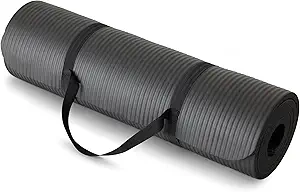
- The Amazon Basics Extra Thick mat is the only non-folding mat in the group that competes on roll-up portability with a strap; it suits buyers who roll rather than fold, but it lost ranking points against true compact foldable exercise mats.




| compact foldable exercise mat | Material | Surface | Dimensions | Thickness |
|---|---|---|---|---|
| Avoalre Folding Yoga Mat | High-density PVC | Double-sided non-slip | 72" x 24" x 1/5" | — |
| CAP Barbell Folding Exercise M | High-density foam, non-toxic (10P free) | — | 72"L x 24"W x 2"Thick | — |
| Readaeer Double Color Yoga Mat | TPE | Double-sided anti-slip | 72" x 24" x 0.24" (6mm) | — |
| 7-Fold Yoga Mat 70"x24" | TPE foam | Non-slip textured | — | 1/2 inch (12mm) |
| Readaeer Foldable Yoga Mat 6mm | TPE | Double-sided anti-slip | — | 6mm |
| Readaeer Double Color Yoga Mat | TPE | — | — | — |
| 7-Fold Yoga Mat 70"x24" | High-density TPE foam | Non-slip textured | — | 1/2 inch (12mm) |
| 7-Fold Yoga Mat 70"x24" | Eco-friendly TPE foam | Non-slip textured | — | 1/2 inch (12mm) |
| Amazon Basics Extra Thick Exer | NBR foam | Textured, slip-resistant | 74 x 24 x 0.5 inches | 0.5 inches |
| HAPBEAR Foldable Yoga Mat | Eco-friendly TPE | — | 72" x 24" x 0.24" (6mm) | — |
| Bala Yoga Mat for Home Gym | EVA foam with polyurethane top-coat | Non-slip, moisture-wicking | 68" x 24" | 12mm |
More Details on Our Top Picks
Avoalre Folding Yoga Mat, Eco-Friendly PVC Travel Yoga Mat with Bag, Non-Slip Double Sided Design
Most foldable mats in this roundup use TPE foam, but the Avoalre goes its own way with high-density PVC that carries OEKO-TEX STANDARD 100 certification — a genuine plus if material safety claims matter to you. It folds down to a remarkably small 12″ x 12.6″ footprint, tighter than the CAP Barbell mat could ever manage, and it slides into a shoulder bag rather than needing to be lugged. The tradeoff is cushioning: at 1/5 inch thick, this is the thinnest surface here, so kneeling on hardwood will feel noticeably firmer than on the Readaeer Double Color mat’s 6mm padding. At 4.18 lbs it also sits on the heavier end of true travel mats. This pick makes the most sense for buyers prioritizing certified materials and grip over plush comfort.
Pros:- OEKO-TEX certified, eco-friendly PVC for buyers wary of unverified materials
- Folds to a compact 12″ x 12.6″ block with included carry bag
- Double-sided non-slip texture performs well in sweaty sessions
- Extra-long 72″ length suits taller users
Cons:- Thinnest cushioning in this lineup — uncomfortable for prolonged floor poses
- Heavier than dedicated ultralight travel mats at 4.18 lbs
- PVC typically needs airing out before first use
Best for: Frequent travelers and commuters who want a certified-safe, grippy mat that packs into a bag
Not ideal for: Anyone doing knee-heavy floor work on hard surfaces — the thin padding offers minimal joint protection
- Dimensions:72″ x 24″ x 1/5″
- Material:High-density PVC
- Weight:4.18 lbs
- Folded Size:12″ x 12.6″ x 3.5″
- Certifications:OEKO-TEX STANDARD 100
- Surface:Double-sided non-slip
- Includes:Carry bag
Our verdict“Buy this if certified materials and portability outrank cushioning; skip it if you need padding for joint-intensive workouts.”
CAP Barbell Folding Exercise Mat – 2-Inch Thick, Anti-Tear, Non-Toxic Foam
Where every other mat here measures thickness in fractions of an inch, the CAP Barbell brings a full 2 inches of high-density foam — that’s roughly three times the padding of the 7-Fold Yoga Mat and dramatically more than the Readaeer options. This changes what the mat is for: sit-ups, gymnastics drills, and bodyweight moves that would leave you bruised on a 6mm mat feel comfortable here. The hook-and-loop connectors let you join multiple units into a tumbling runway, something no yoga-style folder offers. The cost is portability — this is the heaviest, bulkiest option in the roundup, and folding it doesn’t make it suitcase-friendly the way the Avoalre folds flat. Think of it as a folding gym mat, not a travel mat, and the tradeoff makes sense.
Pros:- 2-inch high-density foam absorbs impact far better than any yoga mat here
- Connect multiple mats with hook-and-loop closures for a larger surface
- Built-in handles make short moves between rooms manageable
- Non-toxic, 10P-free foam is safe for kids and adults
Cons:- Far too bulky and heavy for travel or commuting
- Too thick for balance poses or yoga flows requiring floor feel
- Only available in black with limited color options
Best for: Home gym owners doing ab work, gymnastics, or floor-based strength training who want serious cushioning
Not ideal for: Travelers and commuters — its bulk and weight make it impractical to carry anywhere
- Dimensions:72″L x 24″W x 2″Thick
- Material:High-density foam, non-toxic (10P free)
- Color:Black
- Foldable:Yes
- Handles:Yes
- Connectable:Yes, hook-and-loop closures
- Best Use:Gymnastics, aerobics, ab work, home workouts
Our verdict“If your workouts involve hitting the floor hard, this is the cushioning pick; if you’re flowing through vinyasa, choose a thinner folder instead.”
Readaeer Double Color Yoga Mat – 72″x24″x0.24″ (6mm), Non-Slip TPE Exercise Mat
This is the mat I’d point most buyers toward, because it balances every attribute without excelling at only one. Its 6mm TPE construction delivers more cushioning than the thin Avoalre, more stability than the squishy 12mm 7-Fold Mat, and enough grip for both yoga and Pilates. Compared with its sibling, the Readaeer Foldable Yoga Mat, the double-color design adds a practical benefit — two visually distinct sides let you dedicate one face to floor contact and keep the other cleaner, which matters if you alternate between home and gym use. The included storage bag rounds out a genuinely complete package. The honest caveat is durability: TPE simply wears faster than rubber under daily heavy use, so intense daily practitioners may want a premium rubber mat instead. For everyone else, this hits the sweet spot.
Pros:- Well-rounded 6mm cushioning balances comfort and floor feel
- Two-tone double-sided design keeps a clean side for your face and body
- Includes a storage bag for tidy transport
- Lightweight and foldable without feeling flimsy
Cons:- TPE is less durable than rubber over long-term daily use
- 6mm may feel thin for users with sensitive knees or wrists
Best for: Most buyers — people wanting one foldable mat that handles yoga, Pilates, and general stretching well
Not ideal for: Daily high-intensity practitioners who need a rubber mat built to survive years of heavy use
- Material:TPE
- Dimensions:72″ x 24″ x 0.24″ (6mm)
- Color:Double color
- Surface:Double-sided anti-slip
- Foldable:Yes
- Includes:Storage bag
- Best Use:Yoga, Pilates, stretching, muscle training
Our verdict“The safest all-around choice in this roundup — buy it unless you have a specific need for extreme cushioning or travel-size packing.”
7-Fold Yoga Mat 70″x24″ – 1/2 Inch Thick
The headline here is the seven-panel folding pattern, which collapses a full-size mat into a 24″ x 10″ x 3″ bundle — smaller in footprint than the Avoalre’s fold and dramatically more apartment-friendly than the bulky CAP Barbell. At 12mm thick, it doubles the padding of the Readaeer Double Color, making it a middle ground between yoga-mat softness and gym-mat cushioning. That thickness cuts both ways: standing balance poses get wobblier on 12mm of foam, so serious yogis may prefer the Readaeer’s firmer platform. The included full-color workout guide is a nice touch for beginners still building a routine. Compared with the CAP Barbell, you give up serious impact absorption but gain a mat that actually fits in a closet or car trunk. This model is better suited to small-space living than any other thick option here.
Pros:- 7-fold design packs down to just 24″ x 10″ x 3″
- 12mm thickness offers strong joint protection for floor exercises
- Non-slip textured surface keeps grip during sweaty sessions
- Includes a full-color workout guide and folding instructions
Cons:- Thick foam reduces stability for balance poses
- Folding seams create slight ridges that some users feel during floor work
- TPE is less eco-friendly than certified options like the Avoalre
Best for: Apartment dwellers and small-space users who want thick cushioning but have almost no storage room
Not ideal for: Balance-focused yogis — the 12mm foam makes standing poses less stable than a firmer 6mm mat
- Size:70″ x 24″
- Thickness:1/2 inch (12mm)
- Material:TPE foam
- Folded Dimensions:24″ x 10″ x 3″
- Design:7-fold, space-saving
- Surface:Non-slip textured
- Includes:Full-color workout guide and folding instructions
Our verdict“The space-saving champion for anyone who wants a padded mat that disappears into a tiny closet after use.”
Readaeer Foldable Yoga Mat 6mm Thick with Carrying Bag, Non-Slip TPE Exercise Pilates Mat
Nearly identical on paper to the Readaeer Double Color, this mat’s case for the value slot comes down to giving you the same 6mm TPE cushioning, dual-sided grip, and carrying bag at a friendlier price. Compared with pricier options like the Avoalre, you give up the OEKO-TEX certification and the extra-long 72″ dimensions remain standard rather than generous. Against the 7-Fold Mat, it offers a firmer, more stable platform for standing poses at the expense of plush padding. The double-sided anti-slip surface holds its own during sweaty Pilates sessions, and the folding pattern plus bag make it a reasonable commuter option — though it won’t pack as small as the seven-panel design. For a first foldable mat, or a spare for travel, this option stands out for delivering the essentials without paying for extras.
Pros:- Competitive price for the same 6mm TPE cushioning as pricier rivals
- Carrying bag included as standard
- Double-sided anti-slip surface handles yoga and Pilates equally well
- Lightweight enough for gym bags and travel
Cons:- 6mm padding is too thin for high-impact or knee-heavy activities
- TPE construction has a shorter lifespan than rubber mats
- Lacks the material certifications of the Avoalre
Best for: Budget-conscious buyers and first-time foldable mat owners who want reliable basics
Not ideal for: High-impact exercisers — 6mm is too thin for jumping, tumbling, or prolonged knee work
- Material:TPE
- Thickness:6mm
- Size:72″L x 24″W
- Foldable:Yes
- Surface:Double-sided anti-slip
- Includes:Carrying bag
- Best Use:Yoga, Pilates, indoor and outdoor workouts
Our verdict“The smart spend-if-you’re-unsure pick — solid performance and a carry bag at the lowest cost of entry in this lineup.”
Readaeer Double Color Yoga Mat – 72″x24″x0.24″ (6mm), Non-Slip TPE Exercise Mat
The dual-color design here isn’t just cosmetic — it signals genuinely different grip textures on each face, which gives you a stable side for sweaty yoga flows and a smoother side for floor work. Compared with the HAPBEAR Foldable Yoga Mat, which shares the same 72″x24″ footprint and identical 15″x12″x4″ folded size, the Readaeer pulls ahead on warranty coverage, backing the mat for a full year where HAPBEAR offers no stated guarantee. The 6mm cushioning hits a middle ground: firmer and more balance-friendly than the plush 1/2-inch 7-fold mats, but less forgiving on knees and tailbones. That makes this pick better for standing poses and dynamic workouts than for long stretching sessions on hard floors.
Pros:- Double-sided anti-slip texture with two distinct grip surfaces
- Folds to a compact 15″x12″x4″ block for travel
- 1-year warranty, rare at this price point
- 6mm thickness balances stability and cushioning
Cons:- TPE construction may show wear with daily heavy use
- Only one color scheme available
Best for: Yogis who want firm balance support and a warranty-backed foldable mat for mixed studio and home practice
Not ideal for: People with sensitive knees or joints doing lengthy floor work — 6mm is simply thinner than the 12mm 7-fold alternatives
- Size:72″ x 24″ x 0.24″ (6mm)
- Material:TPE
- Folded Dimensions:15″ x 12″ x 4″
- Non-Slip:Yes, double-sided
- Color:Blue & Black
- Warranty:1 year
Our verdict“A sensible middle-thickness choice for buyers who prioritize grip versatility and warranty protection over maximum cushioning.”
7-Fold Yoga Mat 70″x24″ – 1/2 Inch Thick
At a full 1/2 inch of high-density TPE foam, this mat delivers the deepest cushioning in this batch, which matters if kneeling, sitting, or floor-based core work leaves you sore on thinner options. The seven-panel fold collapses the footprint by over 60%, so a thick mat no longer means surrendering closet space. Where the Readaeer Double Color mat folds into a neat 15″x12″ block, this one’s accordion stack stays bulkier — the honest price of that plush surface. The bundled full-color workout guide is a genuine plus for beginners who want structure, something the Amazon Basics mat doesn’t attempt. Tradeoff alert: 12mm of foam is soft underfoot, so balance poses and heavy dumbbell work feel wobblier than on 6mm mats.
Pros:- 12mm plush cushioning protects joints better than any 6mm rival here
- 7-panel fold saves over 60% of storage space
- Non-slip textured surface despite the thickness
- Includes a full-color workout guide with pose illustrations
Cons:- Folded stack is bulkier than roll-fold alternatives like the Readaeer
- No listed weight, complicating travel planning
Best for: Buyers with knee, hip, or back sensitivity who need plush floor cushioning for Pilates, core work, and stretching
Not ideal for: Balance-focused yogis and lifters — 12mm of foam destabilizes standing poses and squats
- Size:70″ x 24″
- Thickness:1/2 inch (12mm)
- Material:High-density TPE foam
- Foldable Panels:7
- Surface:Non-slip textured
- Extras:Full-color workout guide included
Our verdict“The pick when comfort outranks stability — ideal for gentle floor exercise, wrong for balance drills.”
7-Fold Yoga Mat 70″x24″ – 1/2 Inch Thick
This second 7-fold mat plays a different angle than its near-twin B0F7JGPQZ1: where that one leans on the workout guide and plush density, this version emphasizes its eco-friendly TPE build and a folded form that packs into a compact block small enough to slide under a sofa or into a shelf cubby. For apartment dwellers, that difference matters more than it sounds — the sibling’s stack sits taller on a shelf. Cushioning matches at 1/2 inch, so expect the same joint-friendly but balance-soft character. One quirk worth knowing: the panel hinges mean the mat can flex or shift at fold lines during fast movement, something one-piece mats like the Amazon Basics Extra Thick mat never do. Cleaning is a wipe-down affair, which suits shared living spaces.
Pros:- Folds into one of the most shelf-friendly blocks in this lineup
- Eco-friendly TPE that wipes clean easily
- Same 12mm cushioning as pricier thick-mat rivals
- Non-slip surface maintains grip despite softness
Cons:- Panel hinges flex under quick lateral movement
- TPE foam will compress and wear with heavy daily use
Best for: Apartment renters and dorm residents who need a thick mat that disappears into tiny storage between workouts
Not ideal for: HIIT or fast-paced movers — the fold lines can create slight instability during dynamic exercises
- Size:70″ x 24″
- Thickness:1/2 inch (12mm)
- Material:Eco-friendly TPE foam
- Foldable Panels:7
- Surface:Non-slip textured
- Extras:Full-color exercise guide included
Our verdict“Choose this over its 7-fold twin when storage footprint and eco materials matter more than the included workout guide.”
Amazon Basics Extra Thick Exercise Yoga Mat with Carrying Strap
This is the straightforward, low-cost option in the lineup — no folding panels, no workout guide, just a generous 74-inch length of 1/2-inch NBR foam with a carry strap thrown in. The value case is real: you get thick-mat comfort at a price the TPE foldables rarely match. But note the design mismatch with this roundup’s core mission — unlike the Readaeer Double Color mat, it doesn’t fold at all, so you’re rolling and shouldering a bulky cylinder. NBR foam is also softer and less dense than TPE, meaning it compresses faster under repeated use and offers less spring-back for balance work. The 74-inch length does edge out every other mat here by two to four inches, a small win for taller users who find standard mats cramped.
Pros:- Longest mat here at 74 inches, better for tall users
- 1/2-inch thickness at a budget-friendly price
- Carrying strap included for gym-to-home transport
- Wipes clean after sweaty sessions
Cons:- No fold mechanism — rolls into a bulky cylinder
- NBR foam is less durable and dense than the TPE used by rivals
Best for: Budget-conscious beginners and taller users who want thick cushioning and don’t need folding portability
Not ideal for: Commuters and travelers — with no fold design and a bulky rolled form, it’s the least portable mat in this batch
- Dimensions:74 x 24 x 0.5 inches
- Material:NBR foam
- Thickness:0.5 inches
- Color:Black
- Surface:Textured, slip-resistant
- Carry Method:Included carrying strap
- Imported:Yes
Our verdict“The cheapest route to thick-mat comfort if folding isn’t a requirement; skip it if portability is the whole point.”
HAPBEAR Foldable Yoga Mat – 72″x24″x0.24″ (6mm), Non-Slip TPE Exercise Mat
The HAPBEAR matches the Readaeer spec-for-spec — same 72″x24″ surface, 6mm thickness, and 15″x12″x4″ folded block — but its waterproof, sweat-resistant eco-TPE construction makes it the better suitcase companion. Outdoor workouts, beach sessions, and balcony stretching are fair game when moisture beads off instead of soaking in. Compared with the 7-fold mats, its thinner profile and tighter fold make it noticeably easier to stash in a carry-on, at the cost of all that plush 12mm cushioning. The double-sided textured grip holds on hardwood and tile alike, though buyers should note the absence of a stated weight or warranty — the Readaeer covers you for a year, and HAPBEAR doesn’t. Durability documentation is thin, so heavy daily users are gambling slightly.
Pros:- Waterproof and sweat-resistant surface suited to outdoor use
- Folds to a tight 15″x12″x4″ block for luggage
- Eco-friendly TPE with double-sided non-slip grip
- Full 72-inch length accommodates most body heights
Cons:- No stated weight or warranty coverage
- Long-term durability is undocumented for heavy use
Best for: Travelers and outdoor exercisers who need a waterproof, packable mat that survives transit and humidity
Not ideal for: Buyers who want warranty backing or documented longevity — heavy daily users should lean toward the Readaeer instead
- Dimensions:72″ x 24″ x 0.24″ (6mm)
- Folded Size:15″ x 12″ x 4″
- Material:Eco-friendly TPE
- Non-Slip:Double-sided textured grip
- Water Resistance:Waterproof and sweat-resistant
- Cleaning:Easy wipe-clean
Our verdict“The most travel-ready 6mm mat in this batch — pick it for portability and weather resistance, not for guarantees.”
Bala Yoga Mat for Home Gym, Non-Slip Exercise Mat (12MM)
The Bala mat’s claim to fame is its 12mm thickness, which puts it closer to cushioned rehabilitation territory than typical yoga gear. Where the HAPBEAR and Readaeer 6mm mats prioritize balance and stability for standing poses, the Bala flips the equation: it trades a little ground feel for serious joint protection, making kneeling, seated stretches, and floor work far more comfortable. Compared with the CAP Barbell 2-inch folding mat, it’s dramatically lighter and folds down flat enough for travel, though it obviously can’t match that mat’s tumbling-grade padding. The polyurethane top-coat adds a moisture-wicking, non-slip surface that holds up during sweaty sessions — something basic EVA mats often struggle with.
The tradeoff is real, though: at 12mm, balance poses feel wobblier than on thinner mats, and serious yogis who want firm grounding should look elsewhere. It also lacks the included carrying bag the Avoalre travel mat provides.
Pros:- 12mm thickness offers excellent joint cushioning for floor work and rehabilitation
- Lightweight and folds flat, making it one of the more travel-friendly thick mats
- Polyurethane top-coat wicks moisture and keeps grip during sweaty sessions
- Versatile across yoga, Pilates, aerobics, and physical therapy routines
- Non-slip surface on both hard floors and carpet adds safety for all fitness levels
Cons:- Extra thickness reduces stability and ground feel for balance-centric yoga
- No carrying bag included, unlike the Avoalre travel mat at a similar fold profile
- Limited color options restrict style preferences
Best for: Older adults, people in injury rehabilitation, or anyone with sensitive knees and wrists who does mostly floor-based yoga, Pilates, or stretching at home
Not ideal for: Intermediate-to-advanced yogis focused on standing balance poses — the 12mm cushion makes single-leg work feel unstable compared to a 6mm mat
- Thickness:12mm
- Dimensions:68″ x 24″
- Material:EVA foam with polyurethane top-coat
- Surface:Non-slip, moisture-wicking
- Design:Foldable, travel-friendly
- Suitable For:Yoga, Pilates, aerobics, rehabilitation
- Fitness Level:All levels
Our verdict“Buy the Bala if joint comfort during floor-based workouts matters more to you than balance precision — it’s the cushioning pick of this lineup.”
How We Picked
I evaluated each mat against the criteria that actually determine whether a compact foldable exercise mat works in daily life: folded footprint, weight, cushioning thickness, surface grip, and material durability. A mat that folds down small but slides on hardwood fails a core purpose, and a thick mat that folds into a bulky, heavy brick fails the compact promise. I also factored in whether each model includes a carrying bag or strap, since portability accessories dramatically change real-world usability for commuters and travelers.
The ranking logic follows buyer intent. Mats that balance fold size, protection, and durability sit at the top, with the CAP Barbell earning best overall for its rugged build and serious cushioning. Travel-focused and budget picks follow, ranked by how well they trade thinness for portability. The three identical 7-Fold mats and the two matching Readaeer Double Color entries are ranked by slight differences in value positioning rather than meaningful spec gaps, which I call out honestly so buyers don’t pay more for the same product.
| compact foldable exercise mat | Surface |
|---|---|
| Avoalre Folding Yoga Mat | Double-sided non-slip |
| CAP Barbell Folding Exercise M | — |
| Readaeer Double Color Yoga Mat | Double-sided anti-slip |
| 7-Fold Yoga Mat 70"x24" | Non-slip textured |
| Readaeer Foldable Yoga Mat 6mm | Double-sided anti-slip |
| Readaeer Double Color Yoga Mat | — |
| 7-Fold Yoga Mat 70"x24" | Non-slip textured |
| 7-Fold Yoga Mat 70"x24" | Non-slip textured |
| Amazon Basics Extra Thick Exer | Textured, slip-resistant |
| HAPBEAR Foldable Yoga Mat | — |
| Bala Yoga Mat for Home Gym | Non-slip, moisture-wicking |
Factors to Consider When Choosing Compact Foldable Exercise Mats
Before picking a mat from this lineup, it helps to understand the tradeoffs that define the compact foldable category. These are the factors that ended up mattering most during this comparison — and the mistakes buyers commonly make with each one.Thickness: Match It to Your Workout, Not Your Budget
The single biggest mistake buyers make is choosing thickness based on price or assumed comfort rather than activity type. 6mm mats like the Readaeer and HAPBEAR are ideal for yoga flows where you need to feel the floor for balance poses, but they’re punishing for kneeling exercises, sit-ups on hard surfaces, or older joints. Half-inch to 2-inch mats like the CAP Barbell and the 7-Fold models protect your spine and tailbone during core work, ab routines, and bodyweight training, but the extra foam makes balance poses wobbly and the folded bundle larger. A useful rule: if more than half your routine happens on your knees, back, or hips, prioritize thickness; if it’s standing poses and flows, thinner wins. Also note that foam density matters as much as thickness — cheap thick foam compresses flat within months, which is why material quality factored heavily into my rankings.
Fold Count and Folded Footprint
Not all folding designs are equal, and the fold pattern determines where the mat can actually live when not in use. Tri-fold mats like the CAP Barbell fold into a squat, sturdy block — great for leaning in a closet, but too bulky for a carry-on. Accordion or multi-fold designs like the 7-Fold mat compress into a much flatter, narrower bundle that slides under a sofa or into a suitcase, though the extra creases create ridges you can feel underfoot during use. Think honestly about your storage situation: apartment dwellers with zero storage usually regret a tri-fold thick mat they can’t hide, while home gym owners with floor space don’t care. Measure your intended storage spot before buying — a ‘compact’ 2-inch folded mat is still over a foot deep in one dimension. This is the factor most buyers skip and most often regret.
Weight and Carry Systems for Travel
If the mat leaves your home regularly, weight and the carry solution matter more than any other spec. TPE mats in this category typically weigh under two pounds, while thick foam folding mats can hit five pounds or more — a difference you feel on a subway platform or a long airport walk. Included carrying bags (like the Readaeer Foldable’s) and straps (like the Amazon Basics’) turn an awkward bundle into a shoulder-carried item, and frankly, a foldable mat without a bag is only half a portable product. Some buyers fix this with a generic strap, but a poorly cinched folded mat flops open mid-commute. For travel, also check whether the folded bundle fits your actual bag dimensions rather than trusting ‘compact’ marketing language. If you travel less than monthly, deprioritize this and spend your budget on cushioning instead.
Material: TPE vs. Foam vs. PVC
The materials in this lineup each carry distinct tradeoffs that marketing copy tends to gloss over. TPE (Readaeer, HAPBEAR) is lightweight, generally odor-free, and reasonably grippy, but it’s softer and can indent or tear with rough use on concrete. High-density foam in mats like the CAP Barbell handles impact and abuse far better but is bulkier and can off-gas initially. PVC (Avoalre’s eco-labeled option) is durable and cheap but tends to be slippery when sweaty — a real problem for hot yoga or intense sessions. Match the material to your floor surface too: smooth TPE slides on polished hardwood unless the underside is textured. Buyers who train outdoors or in garages should lean toward tear-resistant foam shells, while studio-only users can safely choose any of the three.
Grip and Surface Safety
Grip failures are the most common complaint in this category, and they show up in two forms: your hands slip on the mat, or the mat slips on the floor. Double-sided textured surfaces (like the Avoalre’s) address the floor-slip problem, while closed-cell TPE surfaces generally handle sweaty palms better than smooth PVC. Thickness also affects perceived stability — a thick squishy mat lets your hands sink and shift during planks and down-dogs, which is why advanced yogists often prefer thin mats despite less comfort. If you sweat heavily, look for moisture-tolerant surfaces and avoid glossy finishes entirely. One practical tip that came out of this comparison: grip degrades as mats age and accumulate residue, so factor in that a washable surface (most TPE mats) ages better than foam shells you can only wipe down.
Price, Durability, and Replacement Math
This category spans a wide price range, but the cheapest option is rarely the best value over time. Budget 6mm TPE mats often cost a fraction of premium models, yet compressed foam and worn grip can make them due for replacement within a year of regular use — doubling your real cost. Conversely, paying premium prices (like the Bala’s positioning) only makes sense if you’ll use the extra thickness and aesthetic quality regularly; a beautiful 12mm mat used weekly for light stretching is wasted money. My advice: budget buyers should verify the warranty and material grade rather than grabbing the lowest price, and premium shoppers should confirm the thickness actually matches their routine. In this lineup, mid-priced models with bags and proven TPE construction delivered the best cost-per-year of use.
Frequently Asked Questions
Is a folding exercise mat better than a rolling mat for storage and travel?
It depends on thickness. Thin mats up to about 6mm roll tightly and often beat folding designs for packed size, which is why the Amazon Basics strap model still competes despite not folding. Folding becomes the better format once you get above roughly half an inch of thickness, because thick foam simply cannot roll into a compact cylinder — the CAP Barbell’s 2-inch foam is only manageable because it folds. The catch is creases: folding mats develop ridge lines at the fold points that you can feel underfoot, especially on thinner panels. If you do mostly yoga and want a smooth surface, roll a thin mat; if you do floor-based strength or core work and need cushioning, folding is the only practical choice.
How thick should a foldable exercise mat be for knees and joints?
For direct knee contact, sit-ups, and floor work on hard surfaces, you want at least half an inch, and 1 to 2 inches is genuinely comfortable — this is where the CAP Barbell’s 2-inch foam and the Bala’s 12mm build justify their bulk. The standard 6mm TPE thickness found on the Readaeer and HAPBEAR mats measures roughly a quarter inch, which protects palms during yoga but feels thin the moment a knee or hip bone presses the floor. If you have sensitive knees, a hardwood floor, or you’re over about 50, I’d treat 10mm-plus as the floor for comfort. The tradeoff is real, though: thicker mats are heavier, fold larger, and feel less stable for balance poses, so don’t overbuy thickness if your routine is standing-flow based.
Do fold creases in exercise mats flatten out over time?
Somewhat, but not entirely, and it varies by material. TPE and foam mats develop permanent memory at fold lines, and while the creases soften after a few minutes of the mat being laid out, a faint ridge usually remains for the mat’s life. Multi-fold designs like the 7-Fold mat have more creases by definition, which is the price of its flatter folded footprint. Tri-fold mats have fewer creases but a bulkier fold — this tradeoff is unavoidable in the category. Practically, creases matter most for yoga and Pilates where your hands press the surface, and barely at all for crunches, stretching, or weight work. Storing the mat unfolded when possible, or rolling it loosely between sessions, slows crease formation.
Are the TPE mats in this lineup eco-friendly and safe?
TPE is generally considered a safer choice than traditional PVC because it’s typically free of latex, heavy metals, and the strongest chemical odor offenders, and it’s more readily recyclable. That said, ‘eco-friendly’ claims vary widely between brands, and manufacturing transparency is limited across the budget segment, so treat those labels as directional rather than certified. If chemical sensitivity is a concern, air out any new mat for several days before first use — even low-odor TPE releases some smell initially, and thick foam mats like the CAP Barbell can off-gas longer despite the non-toxic labeling. Buyers with latex allergies can safely use both TPE and PVC options here. For verified eco credentials specifically, you’d need to look beyond this price tier entirely.
Can I use a compact foldable mat as my only home workout mat?
Yes, if you match the mat to your actual routine rather than trying to cover every use case with one product. A thick folding mat like the CAP Barbell handles core work, bodyweight training, stretching, and light dumbbell floor work as a complete solution. Thin 6mm foldable mats work as an only mat for yoga, Pilates, and bodyweight mobility — but they fall short for anything involving kneeling on hard floors or lying on your back for extended ab circuits. The compromise pick is a half-inch 7-fold mat, which splits the difference for mixed routines. The mistake to avoid is buying one thin mat and forcing it into heavy floor work, then blaming the category. If your routine spans both yoga and hard floor training, a thick mat plus a thin mat beats one expensive middle option.
Conclusion
The right pick here comes down to what you’ll actually do on the mat. For best overall, the CAP Barbell Folding Exercise Mat wins on the strength of its 2-inch protective foam, anti-tear shell, and all-around durability — it’s the one mat in this lineup that handles every workout type without compromise. For best value, the Readaeer Foldable Yoga Mat with Carrying Bag delivers a genuine TPE foldable mat with a travel bag at a budget price, making it the smartest low-risk purchase for occasional users. For best premium, the Bala Yoga Mat brings 12mm of cushioning and elevated design quality for buyers who want their home gym to look as good as it functions. For beginners, the Amazon Basics Extra Thick Mat with Carrying Strap is the easiest entry point — forgiving thickness, simple strap storage, and no premium price for features you haven’t learned to need yet. For specific needs: travelers and commuters should take the Avoalre Folding Yoga Mat or Readaeer with bag for the smallest packed bundles, floor-work and core-training enthusiasts should grab a 7-Fold Yoga Mat for its flat accordion fold at half-inch cushioning, and budget yoga practitioners can pick either Readaeer Double Color mat — just don’t pay a premium expecting it to double as a thick training mat. Whatever you choose, buy for the routine you have today, not the one you’re planning.
Halloween Picks
halloween
As an affiliate, we earn on qualifying purchases.