
TL;DR

Get workout gear delivered free with Prime
- Fast, free delivery on millions of items
- Prime Video, Amazon Music and more included
- Member-only deals all year
A CDC analysis of eight RSV seasons found that 1,565 of 18,301 adults hospitalized with RSV died in hospital or within 30 days after discharge. Of those post-discharge deaths, 467 occurred among people discharged somewhere other than hospice; the analysis does not establish that RSV caused those deaths.
A CDC analysis of 18,301 adults hospitalized with RSV across eight seasons found that 8.6% died in hospital or within 30 days after discharge. The findings, presented at the IDWeek annual meeting, include 467 post-discharge deaths among patients sent somewhere other than hospice, highlighting a period of risk that may warrant attention in discharge planning and follow-up.
Researchers used data from the CDC’s Respiratory Virus Hospitalization Surveillance Network (RESP-NET), which monitors laboratory-confirmed respiratory virus hospitalizations in 14 states. The analysis covered adults hospitalized with RSV from 2014 through 2024. Of the 1,565 people who died during the study’s defined period, 812 died in hospital and 753 died within 30 days after discharge.
Among the 753 post-discharge deaths, 286 patients had been discharged to hospice. The other 467 were discharged to a destination other than hospice, accounting for 2.6% of all adults in the analysis. CDC presenter Michael Melgar said researchers considered that group particularly concerning, while the study does not establish what those patients or their clinicians expected at discharge.
The share of hospitalized patients who died in hospital or within 30 days of discharge stayed within a range of 7.4% to 9.7% across seasons. The lowest figure was in 2018-2019 and the highest in 2015-2016. Deaths within 30 days after discharge to somewhere other than hospice ranged from 1.8% in 2022-2023 to 3.2% in 2019-2020. These are observed proportions in the surveillance data, not estimates of deaths proven to have been caused by RSV.
Risk Extends Beyond Hospital Discharge
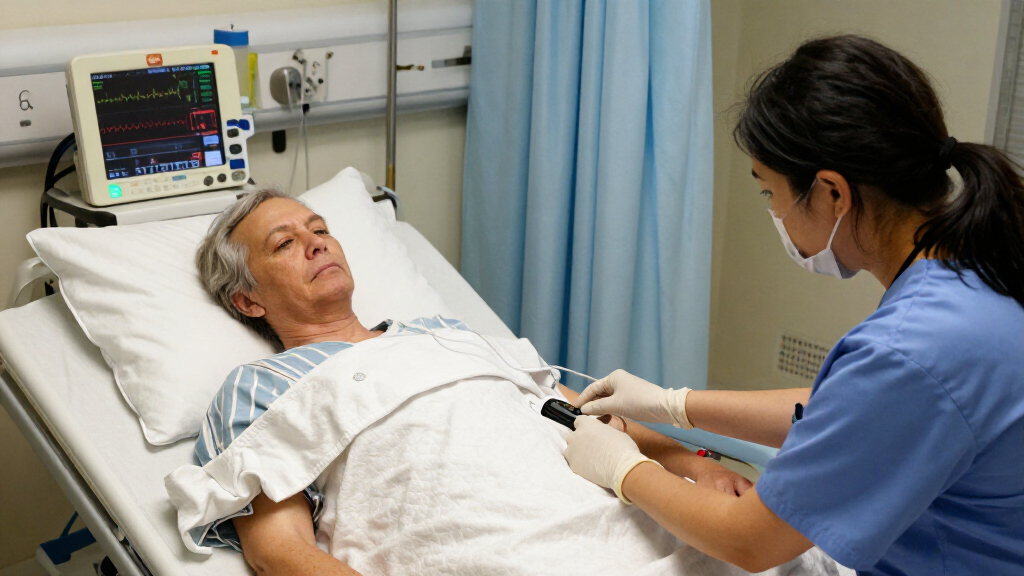
The results focus attention on the first 30 days after an RSV hospitalization, not only the acute hospital stay. A death after discharge may reflect the patient’s underlying health, complications, RSV, or other causes; the analysis cannot determine which factor was responsible. Even so, the count of deaths among people not discharged to hospice raises practical questions about how patients’ needs are assessed and supported as they leave hospital.
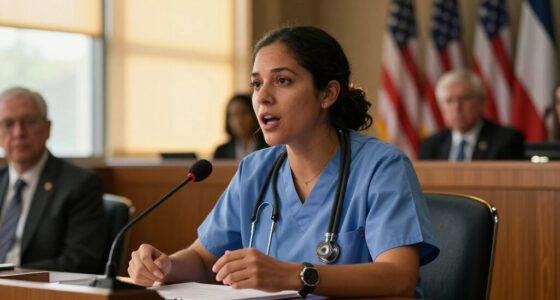
Melgar said the findings support stronger discharge planning and early follow-up for people hospitalized with RSV. The analysis also reinforces prevention messaging for adults eligible for vaccination. It does not test whether vaccination, a particular discharge plan, or follow-up would have prevented the deaths observed, so those implications should not be read as measured effects of the study.
RSV vaccine for adults 60 and older
As an affiliate, we earn on qualifying purchases.
As an affiliate, we earn on qualifying purchases.
Eight Seasons of RSV Surveillance
RSV can cause illness ranging from cold-like symptoms to severe lower respiratory tract disease requiring hospitalization. The CDC investigators identified cases using specified ICD-10 diagnosis codes for RSV pneumonia, acute bronchitis, or acute bronchiolitis. RESP-NET provides surveillance across participating sites, but its 14-state data are not necessarily representative of every U.S. hospitalization.
Most people who died during hospitalization or within 30 days of discharge were 65 or older (81.3%), and 89.0% had at least one underlying medical condition. Nearly half had been admitted to an intensive care unit, while 29.1% received invasive mechanical ventilation. Those who died after discharge were older on average than those who died in hospital, but were less likely to have had ICU admission or invasive ventilation during the stay.
Adult RSV vaccines became available in the 2023-2024 season. CDC recommendations call for one dose of any of three FDA-licensed vaccines for adults 75 and older, and for adults ages 50 to 74 at increased risk of severe RSV. Melgar said the investigators did not examine vaccination status among hospitalized patients in the analysis, so it cannot show how vaccination affected these results.
“We think this latter category is the most concerning, as these patients were likely discharged home or to some higher level of care — but they were probably not expected to die within a month of the hospitalization with RSV infection.”
— Michael Melgar, MD, CDC, speaking at IDWeek
RSV vaccine for adults 50 to 59 at increased risk
As an affiliate, we earn on qualifying purchases.
As an affiliate, we earn on qualifying purchases.
Causes and Vaccine Effects Remain Unknown
The analysis records deaths within a set time window but does not show that RSV caused each death. Researchers also did not assess patients’ RSV vaccination status, including during the season when adult vaccination began. That leaves the study unable to estimate vaccination’s effect on the reported mortality figures.
The investigators noted that reliance on clinician-directed testing could mean some RSV hospitalizations were missed. The data came from 14 participating states, so the results may not generalize to the whole country. The report also does not provide a cause-of-death breakdown for the 467 people discharged somewhere other than hospice or establish which post-discharge care, if any, could have changed outcomes.
pulse oximeter for home monitoring adults
As an affiliate, we earn on qualifying purchases.
As an affiliate, we earn on qualifying purchases.
Prevention and Follow-Up in Focus
CDC recommendations remain the stated basis for adult RSV vaccination: one dose for adults 75 or older and for those ages 50 to 74 at increased risk of severe disease. The analysis supports attention to discharge planning and prompt follow-up, but it does not prescribe a specific follow-up schedule or identify a proven intervention to reduce post-discharge deaths.
Further research that links vaccination status, causes of death, patient health, and post-discharge care could help clarify what is driving the observed pattern. Until then, the figures describe mortality among adults hospitalized with RSV in the surveillance network, rather than deaths confirmed to have resulted from RSV itself.
respiratory protection masks for caregivers
As an affiliate, we earn on qualifying purchases.
As an affiliate, we earn on qualifying purchases.
Key Questions
How many adults died in the CDC analysis?
Among 18,301 adults hospitalized with RSV from 2014 to 2024, 1,565 (8.6%) died in hospital or within 30 days after discharge.
How many deaths occurred after discharge?
There were 753 deaths within 30 days after discharge. Of those, 286 patients had been discharged to hospice and 467 to somewhere other than hospice.
Does the analysis show RSV caused these deaths?
No. The analysis counted deaths during hospitalization or within 30 days after discharge, but deaths were not necessarily attributable to RSV.
Did the study measure whether vaccination reduced deaths?
No. Researchers did not examine RSV vaccination status among the hospitalized patients, so the analysis cannot measure vaccination’s effect on these outcomes.
Who does the CDC recommend receive an RSV vaccine?
The CDC recommends one dose of an FDA-licensed RSV vaccine for all adults 75 and older and adults ages 50 to 74 at increased risk of severe RSV.
Source: rss
Fall Picks
fall essentials
As an affiliate, we earn on qualifying purchases.