For most home workouts, I’d start with the YOSUDA Pro Magnetic Exercise Bike as the best overall pick for riders who want a more traditional indoor cycling setup. The MERACH S26 stands out for magnetic resistance, while the Marcy NS-652 is a practical option if folding storage matters more than an intense cycling feel. The main tradeoffs are straightforward: compact bikes save floor space but can limit ride position and stability, while app-connected models add guidance but may depend on a phone or subscription. Read on for all 14 picks, their distinct strengths, and the drawbacks that may make you choose another model.

Get workout gear delivered free with Prime
- Fast, free delivery on millions of items
- Prime Video, Amazon Music and more included
- Member-only deals all year
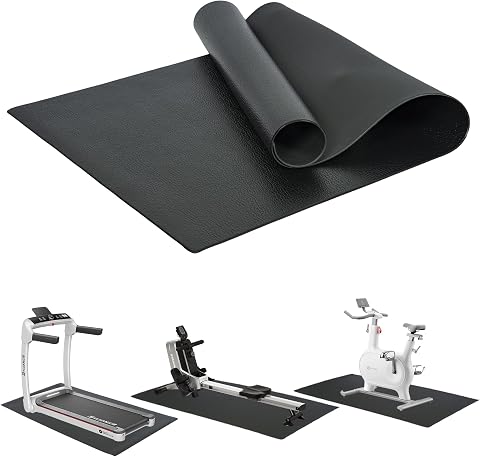
Complete the kit


Key Takeaways
- Traditional cycling and folding convenience lead to different choices: the YOSUDA Pro is the overall pick for a more dedicated ride, while Marcy, XTERRA, and the folding BARWING and GOIMU options suit tighter spaces.
- Magnetic resistance appears across several styles: it is available on both conventional indoor bikes and folding models, so buyers need to compare fit and frame design rather than treat resistance type as the only deciding factor.
- App support is not the same as a complete training system: CURSOR Fitness and the app-enabled MERACH and YOSUDA options may appeal to riders who want connected workouts, but phone dependence and software needs deserve attention.
- Foldable 5-in-1 designs prioritize versatility over a dedicated cycling posture: PLENY, YYFITT, BARWING, and GOIMU trade a more focused ride setup for compact storage or multiple workout positions.
- Capacity and comfort should narrow the shortlist early: the XTERRA FB150 lists a 225 lb capacity, while YYFITT emphasizes an XXL backrest; check each bike’s stated limits and your fit before comparing extras.
| YOSUDA Pro Magnetic Exercise Bike |  | Best for Quiet, Adjustable Riding | Resistance: 100-level magnetic | Drive: Belt drive | Weight capacity: 300 lbs | VIEW LATEST PRICE | See Our Full Breakdown |
| Marcy NS-652 Foldable Upright Exercise Bike |  | Best for Simple, Compact Cardio | Resistance: 8-level magnetic | Display metrics: Speed, distance, time, calories | Maximum user weight: 250 lbs | VIEW LATEST PRICE | See Our Full Breakdown |
| PLENY 5-in-1 Folding Exercise Bike |  | Best for Full-Body Workouts in a Small Footprint | Resistance: 16-level magnetic | Flywheel weight: 6.6 lbs | Maximum weight capacity: Listed as 300 and 330 lbs | VIEW LATEST PRICE | See Our Full Breakdown |
| YYFITT 3-in-1 Foldable Exercise Bike with Luminous Display and XXL Backrest |  | Best for Supported Upright or Recumbent Riding | Bike type: Upright and recumbent stationary bike | Resistance: 16-level magnetic | Maximum weight capacity: 300 lbs | VIEW LATEST PRICE | See Our Full Breakdown |
| CURSOR Fitness Indoor Exercise Bike with App |  | Best for Quick Setup and Broad Rider Fit | Resistance mechanism: Friction | Resistance levels: 100 | Drive system: Belt | VIEW LATEST PRICE | See Our Full Breakdown |
| MERACH S26 Magnetic Resistance Indoor Exercise Bike |  | Best for App-Connected Workouts | Resistance: Adjustable magnetic, 0–100% | Maximum user weight: 300 lb | User height range: 4’8″–6’2″ | VIEW LATEST PRICE | See Our Full Breakdown |
| Superun Indoor Exercise Bike with 32-Level Magnetic Resistance |  | Best for Resistance Variety | Resistance mechanism: Magnetic | Resistance levels: 32 | Maximum weight capacity: 300 lb | VIEW LATEST PRICE | See Our Full Breakdown |
| RELIFE REBUILD YOUR LIFE Indoor Exercise Bike |  | Best for Shorter Riders | Drive system: Belt drive | Operating noise: Below 25 dB | Maximum user weight: 280 lb | VIEW LATEST PRICE | See Our Full Breakdown |
| BARWING 5-in-1 Foldable Exercise Bike with 16-Level Magnetic Resistance |  | Best for Tight Storage Spaces | Resistance: 16-level magnetic | Maximum capacity: Listed as 350 lb; product data also gives 362.6 lb | Flywheel weight: 6.6 lb | VIEW LATEST PRICE | See Our Full Breakdown |
| GOIMU 5-in-1 Foldable Exercise Bike with 16-Level Magnetic Resistance |  | Best for Seated Comfort | Workout modes: 5 | Resistance: 16-level magnetic | Weight capacity: 330 lb | VIEW LATEST PRICE | See Our Full Breakdown |
| BARWING Foldable Magnetic Resistance Exercise Bike |  | Best for Small-Space Versatility | Resistance: 16-level magnetic | Flywheel weight: 6.6 lb | Weight capacity: 350 lb | VIEW LATEST PRICE | See Our Full Breakdown |
| MERACH Magnetic Exercise Bike with App |  | Best for App-Connected Training | Model: MR-S26B1 | Resistance: Adjustable, manual | Drive: Belt drive | VIEW LATEST PRICE | See Our Full Breakdown |
| XTERRA Fitness FB150 Folding Exercise Bike, 225 lb Capacity |  | Best Simple Folding Pick | Model: FB150 | Resistance mechanism: Magnetic | Resistance levels: 8 | VIEW LATEST PRICE | See Our Full Breakdown |
| YOSUDA Indoor Exercise Bike with App Support |  | Best for a Heavier Flywheel Feel | Model: Exercise Bike 002 | Drive system: Belt | Resistance mechanism: Friction | VIEW LATEST PRICE | See Our Full Breakdown |
| exercise bikes for home workout | Resistance |
|---|---|
| YOSUDA Pro Magnetic Exercise B | 100-level magnetic |
| Marcy NS-652 Foldable Upright | 8-level magnetic |
| PLENY 5-in-1 Folding Exercise | 16-level magnetic |
| YYFITT 3-in-1 Foldable Exercis | 16-level magnetic |
| CURSOR Fitness Indoor Exercise | — |
| MERACH S26 Magnetic Resistance | Adjustable magnetic, 0–100% |
| Superun Indoor Exercise Bike w | — |
| RELIFE REBUILD YOUR LIFE Indoo | Adjustable from 0–100% |
| BARWING 5-in-1 Foldable Exerci | 16-level magnetic |
| GOIMU 5-in-1 Foldable Exercise | 16-level magnetic |
| BARWING Foldable Magnetic Resi | 16-level magnetic |
| MERACH Magnetic Exercise Bike | Adjustable, manual |
| XTERRA Fitness FB150 Folding E | — |
| YOSUDA Indoor Exercise Bike wi | — |
More Details on Our Top Picks
YOSUDA Pro Magnetic Exercise Bike
The YOSUDA Pro is a strong fit for home workouts where quiet operation and a fine range of resistance matter more than folding away after each ride. Its 100-level magnetic resistance lets riders make small effort changes, while the belt drive rated at 20 dB or less suits shared spaces better than the CURSOR Fitness bike’s friction resistance. Six-way seat and two-way handlebar adjustments also make it easier to tune the riding position for different users. Bluetooth app support, an LCD, and device and bottle holders cover the basics for guided or self-paced sessions. The tradeoff is a larger, less storage-oriented design: unlike the Marcy NS-652, it has no listed folding feature, and assembled dimensions are not provided. Assembly is still required, despite arriving 80% pre-assembled.
Pros:- 100 resistance settings allow gradual changes in workout intensity.
- Quiet belt drive and magnetic resistance suit home use around others.
- Six-way seat and two-way handlebar adjustments support a more tailored fit.
- LCD, Bluetooth app support, tablet holder, and water bottle holder aid workout tracking and convenience.
Cons:- Does not list assembled dimensions or bike weight, making space planning harder.
- Requires assembly, even though it arrives 80% pre-assembled.
Best for: Households wanting a quiet, finely adjustable bike for regular workouts, especially when more than one rider needs to set the fit.
Not ideal for: People who need a bike that folds away or need confirmed assembled dimensions before planning a tight workout space.
- Resistance:100-level magnetic
- Drive:Belt drive
- Weight capacity:300 lbs
- Noise level:≤20 dB
- Seat adjustment:6-way
- Handlebar adjustment:2-way
- Display and connectivity:LCD display; Bluetooth app support
- Assembly:80% pre-assembled
Our verdict“Choose the YOSUDA Pro for quiet, finely adjustable indoor rides, but skip it if folding storage is a priority.”
Marcy NS-652 Foldable Upright Exercise Bike
The Marcy NS-652 keeps home cardio straightforward: it offers eight magnetic resistance levels, an LCD for basic workout metrics, and a frame that folds for storage. That makes it a better match for occasional or steady-paced rides in a shared room than the non-folding YOSUDA Pro, which offers more resistance steps and Bluetooth app support but asks for a more dedicated footprint. The Marcy’s listed dimensions and 16.32 kg weight give buyers clearer planning information than several bikes here. Its padded adjustable seat and foot straps add useful fit and pedal security for routine sessions. The limits are real, though: the 250 lb capacity is lower than the 300 lb ratings of the YOSUDA Pro and PLENY, and eight settings offer less control over workout intensity. Assembly is required.
Pros:- Folding design helps free up floor space between workouts.
- Eight magnetic resistance levels cover basic changes in effort.
- LCD tracks speed, distance, time, and calories.
- Adjustable padded seat and foot straps support a more secure ride.
Cons:- 250 lb maximum user weight is lower than several other bikes in this group.
- Eight resistance levels provide less adjustment than the YOSUDA Pro or PLENY.
- Assembly is required.
Best for: Apartment dwellers and casual riders who want a basic upright bike that folds for storage and tracks core workout metrics.
Not ideal for: Riders above 250 lbs or users who want finely graded resistance, app connectivity, or a bike for more varied training.
- Resistance:8-level magnetic
- Display metrics:Speed, distance, time, calories
- Maximum user weight:250 lbs
- Recommended user height:5 ft 1 in to 6 ft 3 in
- Dimensions:32.5 × 16 × 44 in
- Item weight:16.32 kg
- Material:Alloy steel
- Power and assembly:Battery powered; assembly required
Our verdict“Pick the Marcy for straightforward cardio and fold-away storage, not for high-capacity use or highly adjustable training.”
PLENY 5-in-1 Folding Exercise Bike
The PLENY stands apart from basic folding bikes by pairing cycling with resistance bands, giving home exercisers a way to add upper-body work without a separate machine. Its 16 magnetic resistance levels provide more effort choices than the Marcy NS-652’s eight, and the backrest offers added support for riders who prefer a seated, less upright position. It folds to a stated 20 × 20 in footprint and has transport wheels, which helps when workout space doubles as living space. The LCD tracks several metrics, including heart rate, though its 6.6 lb flywheel is a modest spec for riders seeking a more substantial spin-bike feel. The product data also gives conflicting capacity figures of 300 and 330 lbs; I would not assume the higher figure. Assembly is required.
Pros:- Resistance bands add upper-body exercise alongside pedaling.
- Sixteen magnetic resistance levels offer more variety than the Marcy NS-652.
- Folds to a stated 20 × 20 in footprint and includes transport wheels.
- Backrest and LCD with heart-rate tracking support seated workouts and basic monitoring.
Cons:- Capacity is listed inconsistently as 300 and 330 lbs.
- The 6.6 lb flywheel may not suit riders seeking a heavier cycling feel.
- Assembly is required.
Best for: Space-conscious home exercisers who want a folding bike with back support and resistance bands for occasional upper-body work.
Not ideal for: Buyers who need an unambiguous weight limit or want a heavier-feeling bike for vigorous, cycling-focused training.
- Resistance:16-level magnetic
- Flywheel weight:6.6 lbs
- Maximum weight capacity:Listed as 300 and 330 lbs
- Dimensions:49 × 16 × 24 in
- Folded footprint:20 × 20 in
- Item weight:20.3 kg
- Workout features:Resistance bands; LCD tracks time, speed, distance, calories, and heart rate
- Assembly:85% pre-assembled
Our verdict“Choose the PLENY for fold-away cycling with back support and arm-band exercises, provided its conflicting capacity information is acceptable.”
YYFITT 3-in-1 Foldable Exercise Bike with Luminous Display and XXL Backrest
The YYFITT’s defining advantage is its changeable riding position: it shifts between upright and recumbent setups, with a wide seat and adjustable backpad for riders who want more support than a standard upright bike provides. That makes it a more comfort-oriented alternative to the Marcy NS-652, which folds for storage but does not list a backrest or recumbent position. Sixteen magnetic resistance levels and arm bands add some variety for home sessions, while the foldable frame helps with storage. The tradeoff is that the listed seat dimensions and support features do not make this a full-size recumbent bike, and the product data does not provide assembled dimensions or item weight. Its luminous display is adjustable but battery powered. Minimal assembly is required, though that still adds setup compared with a ready-to-ride machine.
Pros:- Switches between upright and recumbent riding positions.
- Wide seat and adjustable backpad provide more seated support than the Marcy NS-652.
- Sixteen magnetic resistance levels and arm bands broaden workout options.
- Foldable frame and 300 lb capacity suit a range of home setups.
Cons:- Assembled dimensions and item weight are not provided.
- Battery-powered display requires batteries.
- Its folding design and adjustable positions are not a substitute for a dedicated full-size recumbent bike.
Best for: Home riders who want a folding bike with a supported recumbent option, a wider seat, and light arm-band exercise.
Not ideal for: People who need a dedicated full-size recumbent bike or need exact assembled dimensions and weight for space planning.
- Bike type:Upright and recumbent stationary bike
- Resistance:16-level magnetic
- Maximum weight capacity:300 lbs
- Seat dimensions:12.6 in wide × 9.5 in long
- Display:Adjustable-angle luminous digits display
- Special features:Foldable frame, arm resistance bands, adjustable seat and backpad
- Power source:Battery powered
- Assembly:Minimal assembly required
Our verdict“Choose the YYFITT if a foldable bike with back support and two riding positions matters more than the feel of a dedicated recumbent machine.”
CURSOR Fitness Indoor Exercise Bike with App
The CURSOR Fitness bike is a practical pick for riders who want a quick setup and broad fit adjustments without choosing a folding frame. It arrives with major components pre-assembled, with assembly listed as under 30 minutes, and its seat and handlebar settings cover riders from 4 ft 8 in to 6 ft 2 in. The belt drive and below-25 dB noise level suit home workouts, while its 300 lb capacity matches the YOSUDA Pro. The key difference is resistance: CURSOR uses friction, not the YOSUDA’s magnetic system, so buyers who prioritize magnetic resistance should choose the YOSUDA instead. The 100 listed resistance levels offer adjustment, but the friction mechanism is a tradeoff for riders seeking the low-maintenance feel associated with magnetic systems. It also needs batteries, and the supplied data does not specify an app feature despite the product title.
Pros:- Assembly is listed as under 30 minutes, with major components pre-assembled.
- Seat and handlebar adjustments cover a stated height range of 4 ft 8 in to 6 ft 2 in.
- Belt drive and below-25 dB noise level suit home workouts.
- 300 lb capacity matches the YOSUDA Pro.
Cons:- Friction resistance differs from the magnetic systems on the YOSUDA Pro and folding models.
- Requires batteries.
- The provided specifications do not confirm app connectivity despite the product title.
Best for: Riders who want a quickly assembled, non-folding bike with adjustable fit and a stated height range that includes shorter users.
Not ideal for: Buyers set on magnetic resistance or those who need confirmed Bluetooth or app connectivity from the listed specifications.
- Resistance mechanism:Friction
- Resistance levels:100
- Drive system:Belt
- Maximum user weight:300 lbs
- Rider height range:4 ft 8 in to 6 ft 2 in
- Seat adjustment:4-way; 7 vertical settings (32.2–39.1 in)
- Handlebar adjustment:5 vertical settings (36.2–46.85 in)
- Noise and assembly:Below 25 dB; assembly under 30 minutes
Our verdict“Pick the CURSOR for quick setup and a wide stated rider-height range, but choose the YOSUDA Pro if magnetic resistance is a priority.”
MERACH S26 Magnetic Resistance Indoor Exercise Bike
The MERACH S26 is the strongest fit here for riders who want a quiet bike and workout data that can travel across fitness platforms. Its magnetic resistance operates under 25 dB, so indoor sessions are less likely to interrupt a shared home, while compatibility with MERACH, KINOMAP, Zwift, Google Fit, and Apple Health gives connected riders several tracking options. The 4-way seat adjustment and broad stated height range also make it more adaptable than the RELIFE EB801, which is limited to riders up to 5’8″. That flexibility comes with a catch: connected tracking requires app pairing, and the S26 still needs assembly despite arriving 80% pre-assembled. Choose it for app-based training and a wider fit range; skip it if you prefer a bike that works without connecting a phone.
Pros:- Magnetic resistance operates below 25 dB for quieter home sessions.
- Works with several fitness and health apps, including Zwift and Apple Health.
- Seat and handlebars adjust to accommodate a wide stated rider-height range.
- Includes a tablet holder, dumbbell rack, and two water bottle holders.
Cons:- Connected workout tracking requires app pairing.
- Assembly is required, even though the bike arrives 80% pre-assembled.
- The one-year warranty is limited compared with buyers seeking longer stated coverage.
Best for: Households with riders from 4’8″ to 6’2″ who want quiet workouts and app-based tracking across multiple fitness platforms.
Not ideal for: Riders who want workout tracking without pairing an app, or buyers who expect a fully assembled bike.
- Resistance:Adjustable magnetic, 0–100%
- Maximum user weight:300 lb
- User height range:4’8″–6’2″
- Noise level:Under 25 dB
- Frame material:Alloy steel
- App compatibility:MERACH, KINOMAP, Zwift, Google Fit, Apple Health
- Adjustments:2-way adjustable handlebars; 4-way adjustable seat
- Assembly:80% pre-assembled
Our verdict“Choose the MERACH S26 if quiet riding, broad rider fit, and app-linked workout tracking matter more than avoiding setup and phone pairing.”
Superun Indoor Exercise Bike with 32-Level Magnetic Resistance
The Superun S1-Pro makes the most sense for riders who want more steps between easy spinning and a harder effort. Its 32 magnetic resistance levels offer finer adjustments than the 16-level BARWING and GOIMU folding bikes, which can help when changing intensity gradually during a home workout. The LCD monitor tracks time, speed, distance, calories, and RPM without making app connectivity part of the stated feature set. Four-way seat adjustment and two-way handlebar adjustment support a more tailored riding position, while transport wheels help when the bike needs to move after a session. The tradeoff is that this is a conventional stationary-bike setup rather than a foldable option, and it still requires assembly. Choose it for resistance control and basic metrics; look to BARWING or GOIMU if storage is the bigger concern.
Pros:- 32 resistance levels allow finer intensity changes than the 16-level folding alternatives.
- LCD monitor displays time, speed, distance, calories, and RPM.
- Four-way seat and two-way handlebar adjustments help tailor the riding position.
- Transport wheels make it easier to reposition around the home.
Cons:- Does not have a listed folding design for compact storage.
- Assembly is required.
- The 300-pound capacity may not suit riders who need a higher limit.
Best for: Home riders who want closely spaced resistance adjustments and an onboard display, but do not need a foldable frame.
Not ideal for: People who need to tuck a bike away between workouts or want app-connected training as a listed feature.
- Resistance mechanism:Magnetic
- Resistance levels:32
- Maximum weight capacity:300 lb
- Item weight:43.1 lb
- Dimensions:40.55 x 19.29 x 44.09 in (D x W x H)
- Display metrics:Time, speed, distance, calories, and RPM
- Adjustments:4-way adjustable seat; 2-way adjustable handlebars
- Warranty:1 year
Our verdict“Pick the Superun S1-Pro for detailed resistance adjustment and simple onboard metrics if you have space for a non-folding bike.”
RELIFE REBUILD YOUR LIFE Indoor Exercise Bike
The RELIFE EB801 stands out for a fairly specific buyer: a shorter rider who wants a compact, quiet bike with extensive fit adjustments. Its stated 4’8″–5’8″ rider range is narrower than the MERACH S26’s, so it is a better match for smaller users than for a mixed-height household. The six-way seat adjustment and six handlebar levels offer multiple ways to refine position, while the spring-absorbing padded seat may suit riders who prioritize comfort on steady home sessions. Its belt drive operates below 25 dB, and transport wheels make moving the compact bike easier. Compared with the Superun S1-Pro, the RELIFE gives up resistance-level detail in favor of a more height-specific fit. Taller riders should skip it, and some assembly is still needed.
Pros:- Stated rider-height range specifically accommodates riders from 4’8″ to 5’8″.
- Six-way seat adjustment and six handlebar levels offer multiple fit options.
- Belt drive operates below 25 dB for quieter workouts.
- Transport wheels and tablet mount support convenient home use.
Cons:- The 5’8″ upper rider-height limit excludes many taller users.
- Maximum user weight is 280 lb, below the 300-pound capacities of the MERACH S26 and Superun.
- Some assembly is required.
Best for: Shorter riders between 4’8″ and 5’8″ seeking a quiet bike with several seat and handlebar adjustment positions.
Not ideal for: Riders taller than 5’8″ or households that need one bike to fit a broad range of heights.
- Drive system:Belt drive
- Operating noise:Below 25 dB
- Maximum user weight:280 lb
- Rider height range:4’8″–5’8″
- Seat adjustment:6-way adjustable
- Handlebar adjustment:6 levels
- Resistance:Adjustable from 0–100%
- Assembly:80% pre-assembled
Our verdict“Choose the RELIFE EB801 if you are a shorter rider who values a quiet, adjustable setup, but skip it if you are taller than 5’8".”
BARWING 5-in-1 Foldable Exercise Bike with 16-Level Magnetic Resistance
For a home where a bike cannot stay out all day, the BARWING is the clearest storage-focused choice in this group. Its folding design has a stated storage footprint of about 1.8 sq. ft., and transport wheels help move it between workouts. Upright, reclined, and folded positions make it more adaptable than the conventional Superun S1-Pro, while 16 magnetic resistance levels provide a simpler intensity range than the Superun’s 32. The BARWING also has a stated 350-pound capacity and works with Kinomap and Zwift. Its quiet operation is listed as under 20 dB. A caveat: the product data gives conflicting capacity figures of 350 and 362.6 pounds, so I would not rely on the higher number. Choose it for storage flexibility, not the most detailed resistance stepping.
Pros:- Folding design has a stated storage footprint of approximately 1.8 sq. ft.
- Upright and reclined riding positions offer more setup variety than a standard stationary bike.
- Magnetic resistance operates below 20 dB.
- Compatible with Kinomap and Zwift and includes a display with workout metrics.
Cons:- Product data lists conflicting maximum capacity figures of 350 lb and 362.6 lb.
- Its 16 resistance levels offer fewer adjustment steps than the Superun S1-Pro’s 32.
- Assembly is required.
Best for: Apartment dwellers or shared-space households that need a bike to fold away and want upright and reclined riding positions.
Not ideal for: Riders who want 32-level resistance control or need an unambiguous maximum-capacity specification.
- Resistance:16-level magnetic
- Maximum capacity:Listed as 350 lb; product data also gives 362.6 lb
- Flywheel weight:6.6 lb
- Riding positions:Upright, reclined, and folded
- Seat adjustments:8 height settings and 2 angle settings
- Noise level:Less than 20 dB
- App compatibility:Kinomap and Zwift
- Storage footprint:Approximately 1.8 sq. ft.
Our verdict“Choose the BARWING if folding storage and multiple riding positions matter most, but verify the capacity before buying if that limit is close to yours.”
GOIMU 5-in-1 Foldable Exercise Bike with 16-Level Magnetic Resistance
The GOIMU G0605 is a comfort-oriented folding option for riders who want back support during home workouts. Its cushioned seat and backrest distinguish it from the BARWING, which offers multiple riding positions and a smaller stated storage footprint but does not list a backrest. Five workout modes and 16 magnetic resistance levels add some variety, while the foldable X-frame and transport wheels help with moving and putting the bike away. The 330-pound capacity sits below BARWING’s stated 350 pounds, though BARWING’s product data also contains a conflicting higher figure. GOIMU’s main limitation for space planning is the missing folded dimensions, so its actual storage fit is harder to judge. Pick it for a supported seated position; choose BARWING if a quantified compact footprint matters more.
Pros:- Cushioned seat and backrest provide more upper-body support than a basic upright setup.
- Five workout modes offer variety for home sessions.
- Foldable X-frame and transport wheels help with moving and storage.
- Magnetic resistance has 16 levels and is described as quiet.
Cons:- Folded dimensions are not specified, making storage fit difficult to plan.
- The 330-pound capacity is lower than BARWING’s stated 350-pound figure.
- Assembly is required.
Best for: Home riders who prefer a cushioned seat and backrest and want a folding bike for varied low-impact workouts.
Not ideal for: Buyers who need precise folded dimensions before purchasing or riders whose weight exceeds the 330-pound capacity.
- Workout modes:5
- Resistance:16-level magnetic
- Weight capacity:330 lb
- Flywheel weight:5.5 lb
- Frame material:Alloy steel
- Design:Foldable X-frame with transport wheels
- Support:12-month replacement service and lifetime technical support
- Seat features:Cushioned seat and backrest
Our verdict“Choose the GOIMU G0605 if a supported seat and backrest take priority, but choose BARWING if you need a stated storage footprint.”
BARWING Foldable Magnetic Resistance Exercise Bike
The BARWING is the strongest fit here for households that need a bike to do more than one job and disappear between workouts. Its upright and reclined riding positions offer a change in posture, while the included resistance bands add light upper-body work without requiring another piece of equipment. Compared with the more conventional XTERRA FB150, it offers 16 magnetic resistance levels instead of eight and a stated storage footprint of about 1.8 square feet. The quiet system, rated under 20 dB, also suits shared living spaces. The tradeoff is that its feature-rich folding design still needs assembly, and the supplied data gives neither assembled dimensions nor bike weight, making fit and moving effort harder to judge. Choose it for flexibility and storage, not a clearly documented heavy-duty ride.
Pros:- Folds with transport wheels for easier storage and repositioning.
- Upright and reclined positions provide more posture options than a basic folding bike.
- 16 magnetic resistance levels and an under-20 dB noise specification suit varied, quiet home sessions.
- Includes arm and leg resistance bands plus a console tracking core ride metrics.
Cons:- Assembly is still required despite being 70% pre-assembled.
- The supplied product data does not list assembled dimensions or bike weight, limiting storage and portability planning.
- The 6.6 lb flywheel may not suit riders seeking a more substantial cycling feel.
Best for: Apartment dwellers who want multiple riding positions, light resistance-band work, and a bike that can be folded away after exercise.
Not ideal for: Buyers who need published assembled dimensions or bike weight before planning a tight storage space, or who want a straightforward setup with minimal assembly.
- Resistance:16-level magnetic
- Flywheel weight:6.6 lb
- Weight capacity:350 lb
- Noise level:Under 20 dB
- Seat adjustments:8 height settings and 2 angle settings
- Workout positions:Upright, reclined, and folded
- Recommended user height:4 ft 11 in to 6 ft 6 in
- Storage footprint:Approximately 1.8 sq ft
- Warranty and assembly:1-year parts warranty; 70% pre-assembled
Our verdict“Pick the BARWING if compact storage and varied low-impact home workouts matter more than a clearly specified, heavy-feeling ride.”
MERACH Magnetic Exercise Bike with App
The MERACH MR-S26B1 is the clearest choice in this group for riders who want workout data to extend beyond the bike’s display. It supports MERACH, KINOMAP, and Zwift, with health-data syncing to Google Fit and Apple Health, giving app-minded riders more options than the YOSUDA Indoor Exercise Bike with App Support, whose supplied details list Bluetooth app support but not named platforms or health syncing. Its quiet belt drive and adjustable seat and handlebars make it a practical fit for regular home sessions across a range of rider heights. Resistance is manually adjusted, though, so app compatibility should not be mistaken for automated resistance control. It also lacks a stated foldable design, making it less convenient to tuck away than the BARWING or XTERRA folding bikes. This suits a dedicated workout corner better than a space that must be reclaimed daily.
Pros:- Works with MERACH, KINOMAP, and Zwift and syncs data with Google Fit and Apple Health.
- Belt drive is rated below 25 dB for quieter indoor riding.
- Four-way seat and two-way handlebar adjustments support a range of rider positions.
- Steel frame has a stated 300 lb weight capacity.
Cons:- Resistance adjustment is manual rather than app-controlled.
- No folding design or storage footprint is specified, so it may be harder to put away than the BARWING or XTERRA FB150.
- Assembly is required, despite being 80% pre-assembled.
Best for: Riders who track workouts across named fitness apps or health platforms and can leave a non-folding bike set up at home.
Not ideal for: People who need a folding bike for shared or very small rooms, or who expect app-controlled automatic resistance changes.
- Model:MR-S26B1
- Resistance:Adjustable, manual
- Drive:Belt drive
- Noise level:Below 25 dB
- Weight capacity:300 lbs
- Compatible apps:MERACH, KINOMAP, Zwift
- Health data sync:Google Fit, Apple Health
- Recommended rider height:4 ft 8 in to 6 ft 2 in
- Warranty and assembly:1 year; 80% pre-assembled
Our verdict“Choose the MERACH if app and health-data syncing are central to your home routine and you have room to keep the bike set up.”
XTERRA Fitness FB150 Folding Exercise Bike, 225 lb Capacity
The XTERRA FB150 keeps the home workout setup simple: eight manually selected magnetic resistance levels, an LCD for basic ride metrics, and a folding X-frame that stores in an 18.1-by-18.1-inch footprint. That makes it a more straightforward space-saving option than the app-connected MERACH MR-S26B1, which is designed around connected training rather than compact storage. Its 32-pound listed weight also gives buyers a useful reference when planning to move it. The limits are just as clear: capacity tops out at 225 pounds, below the 300-pound MERACH and YOSUDA models, and the stated user-height range is narrower than the BARWING’s. The resistance dial is manual, so workout changes are basic rather than app-led. I’d favor this for occasional or moderate home cycling where uncomplicated folding matters more than a broad feature set.
Pros:- Folds to an 18.1-by-18.1-inch footprint for compact storage.
- Eight magnetic resistance levels provide simple manual workout adjustment.
- LCD displays speed, distance, time, calories, and pulse.
- Listed bike weight of 32 pounds helps buyers plan moving and storage.
Cons:- 225-pound weight capacity is lower than the BARWING, MERACH, and YOSUDA options in this batch.
- User-height range is limited to 58–70 inches.
- Resistance must be adjusted manually, with no app connectivity specified.
Best for: Riders within the stated 58–70-inch height range who want basic cycling metrics and a compact bike they can store after a workout.
Not ideal for: Riders above 225 pounds, outside the stated height range, or seeking app connectivity and a broader resistance range.
- Model:FB150
- Resistance mechanism:Magnetic
- Resistance levels:8
- Weight capacity:225 pounds
- Item weight:32 pounds
- Dimensions:18.1 in D × 31.89 in W × 4.3 in H
- Folded footprint:18.1 in × 18.1 in
- User height range:58–70 inches
- Power source:Battery powered
Our verdict“The XTERRA FB150 is a sensible pick for shorter or average-height riders who want a basic folding bike and fit within its 225-pound capacity.”
YOSUDA Indoor Exercise Bike with App Support
Among these four, the YOSUDA is the more cycling-focused choice for buyers who want a substantial flywheel and a conventional stationary-bike setup rather than a folding frame. Its 25 lb flywheel is much heavier than the BARWING’s 6.6 lb flywheel, which may appeal to riders who prefer a steadier-feeling spin. The steel frame is rated for 300 lb, and Bluetooth app support adds connected tracking alongside the LCD. The tradeoff is its friction resistance: unlike the magnetic systems on the BARWING, MERACH, and XTERRA FB150, the supplied specs do not claim a friction-free resistance mechanism. It also has no stated folding design, so it needs a more permanent place than either folding option. With assembly required and no named compatible apps listed, buyers focused on detailed app integration may find the MERACH a clearer match.
Pros:- 25 lb flywheel may provide a steadier cycling feel than the BARWING’s 6.6 lb flywheel.
- Steel frame has a stated 300 lb maximum capacity.
- Bluetooth app support and LCD display provide connected and on-bike workout tracking.
- Adjustable handlebars and padded seat support rider fit.
Cons:- Friction resistance differs from the magnetic systems on the BARWING, MERACH, and XTERRA FB150.
- No folding design or storage footprint is specified.
- Assembly is required, and the supplied data does not name compatible apps.
Best for: Home cyclists who have space for a dedicated bike and prefer a heavier flywheel, basic LCD tracking, and Bluetooth app support.
Not ideal for: People who need a folding bike, want magnetic resistance, or rely on a specified list of compatible apps and health-data integrations.
- Model:Exercise Bike 002
- Drive system:Belt
- Resistance mechanism:Friction
- Resistance levels:100
- Flywheel weight:25 lb
- Maximum weight capacity:300 lb
- Item weight:27 kg
- User height range:4 ft 8 in to 6 ft 0 in
- Connectivity and display:Bluetooth app support; LCD
Our verdict“Choose the YOSUDA if you want a heavier-flywheel ride and have a dedicated workout space, but skip it if folding storage or magnetic resistance is a priority.”
How We Picked
I ranked these bikes around the needs of a home workout: a usable range of resistance, a stable and adjustable riding position, practical storage, and features that support regular sessions rather than simply add to a spec list. I also weighed maintenance needs and how much setup or connected equipment each style may ask of the buyer. For home use, a bike that fits the rider and the room can be a better choice than one with more resistance settings but an awkward footprint or less suitable posture.
The order reflects distinct use cases, not a claim that one bike suits every household. Dedicated indoor bikes rank ahead when a focused cycling setup is the priority; folding and multi-position designs rank higher for storage flexibility and mixed-use routines. App connectivity, resistance counts, comfort features, and listed capacity help separate similar options, but I treat them as useful only when they support the rider’s actual habits. Product details can vary by listing, so check the current manufacturer specifications for fit, limits, and included features before buying.
Factors to Consider When Choosing Exercise Bikes For Home Workouts
Before choosing from this lineup, I’d match the bike to the routine and room it needs to serve. A compact frame can solve a real storage problem, but it does not automatically make the best daily ride; similarly, more resistance levels or an app connection matter only if you plan to use them. These broader checks can help prevent a bike that looks suitable on paper from becoming inconvenient at home.
Choose a riding position that fits your workout
Upright and indoor cycling bikes encourage a more focused pedaling position, while recumbent-style support or a larger backrest may suit riders who want a supported posture. Multi-position models can change the feel of a session, but they may not match the stability or adjustment range of a bike built around one riding style. Before buying, compare seat height and reach adjustments with your own proportions, not only the bike’s maximum capacity. If more than one person will ride, check whether adjustments are quick enough for everyday sharing. A bike that fits poorly can limit session length even when its resistance system is adequate. Prioritize fit over extra modes if cycling is the main goal.
Measure the workout area and the storage route
Measure the bike’s footprint where you plan to pedal, then leave room to mount, dismount, and move the pedals safely. For a folding model, measure both its riding footprint and its folded dimensions; a folded frame still needs a place to stand or lie without blocking a walkway. Check the path from the delivery point to the workout room, including doorways and stairs, since a compact bike can still be awkward to move. Buyers often focus on storage size but overlook the space needed during use. If the bike will stay set up, a dedicated frame may be more convenient than repeatedly folding and unfolding it. Choose folding convenience when it solves a real space constraint, not just because it sounds useful.
Compare resistance by feel, not just by the number of levels
A higher stated number of resistance levels does not automatically mean a wider or more useful training range. The important question is whether the bike can provide light effort for warmups and enough challenge for the sessions you expect to do. Magnetic resistance is featured across several bikes here, but frame stability, pedal smoothness, and control access also shape the ride. If possible, check how resistance is adjusted and whether the control is easy to reach while pedaling. Buyers who plan short, steady sessions may not benefit from paying extra for fine-grained settings they will rarely change. For interval training, prioritize an adjustment method that feels manageable during frequent effort changes.
Treat apps and displays as supporting tools
An app-connected bike may provide workout structure or progress tracking, but connectivity can add setup steps and dependence on a phone, tablet, account, or compatible software. Check whether the bike remains usable for a basic workout without an app, and whether any advertised features require a separate service. A simple display may be enough if you mainly want to track session time or basic ride information. Avoid paying for connected features unless they address a problem you actually have, such as choosing workouts or staying consistent. Also check where your device will sit and whether the screen remains easy to see from the riding position. The best interface is the one you can use comfortably during a session.
Match capacity, comfort, and adjustability to the rider
Use the manufacturer’s stated weight capacity as a firm screening point, not as a measure of overall comfort or frame fit. A supportive backrest, such as the feature emphasized on the YYFITT model, may matter to some riders, but it does not replace a seat and frame that suit their height and posture. Check seat adjustment range, handlebar position, pedal design, and whether the bike accommodates the riders who will share it. If you are near a listed capacity, favor clear specifications and a frame designed for regular use rather than choosing by feature count. Comfort is personal, so a return policy and available assembly guidance can also affect the risk of buying online. This check is especially useful for shared household bikes.
Think about upkeep and the routine you can sustain
A bike’s long-term value depends on how easily it fits into ordinary life, not only how it performs in an ideal workout. Consider how much assembly is required, whether the frame is easy to reposition, and what routine checks the manufacturer recommends for fasteners, pedals, and moving parts. A foldable bike may need to be opened and secured each time, while a connected setup may require device charging or software setup. If the bike will sit in a shared room, noise, storage habits, and quick access can affect whether you use it. Match the feature set to the workouts you realistically plan to repeat. A simpler bike that is ready when you are may suit a more consistent routine than a complicated setup with unused extras.
Frequently Asked Questions
Should I choose a folding exercise bike or a dedicated indoor cycling bike?
Choose a folding bike when floor space is the main constraint and you want to put the equipment away between sessions. A dedicated indoor bike generally makes more sense when cycling is the main workout and you expect the bike to stay set up. Folding and multi-position models can offer extra flexibility, but that can come with a less focused ride position or more setup between workouts. Measure the bike open and folded, then decide how often you will realistically move it. If you have room to leave a bike in place, convenience during daily use may matter more than a smaller storage footprint.
Do I need an app-connected exercise bike for effective home workouts?
No. App support can help with guided sessions or tracking, but a bike can still support a useful workout with manual resistance and a basic display. Before choosing a connected model, check whether you need a separate device, account, or service to access the features that interest you. Also find out whether the bike remains straightforward to use without a connection. Riders who already follow their own routines may get more value from a stable fit and easy resistance controls. Choose connectivity for a specific training habit, not simply because it is available.
How should I compare bikes that list different numbers of resistance levels?
Treat the level count as one clue, not a direct measure of workout quality. A useful resistance system should cover the effort range you need and be simple to adjust while riding. Consider whether you plan to do steady pedaling, frequent intervals, or mainly light activity; each puts different demands on the controls. Frame stability and riding comfort also affect how challenging a session can feel. If two bikes list different counts, compare the adjustment method and the rest of the setup before deciding that the larger number is automatically better.
What should I check if several people in my household will share one bike?
Start with the manufacturer’s capacity limit and the seat and handlebar adjustment ranges for every intended rider. A bike that fits one household member may feel cramped or awkward for another, even when everyone falls within the stated weight limit. Look at how quickly the seat can be changed and whether adjustments require tools. Consider whether the preferred riding positions are similar; one multi-position bike may not serve every person as well as a conventional adjustable frame. If possible, compare the riders’ heights with the listed fit guidance before choosing.
Is a multi-position or 5-in-1 bike a good replacement for a dedicated exercise bike?
It can be a sensible choice when you value a compact machine that supports varied positions or a mixed home routine. That flexibility does not guarantee the same focused cycling feel as a bike designed primarily for indoor riding. Decide how much of your planned exercise will be seated pedaling and how much value you place on the alternate configurations. Check that the setup is comfortable in the position you expect to use most, rather than assuming every mode will suit you equally. If cycling sessions are the priority, compare stability and adjustability with a dedicated bike before choosing a multi-use frame.
Conclusion
For a balanced home cycling setup, I’d choose the YOSUDA Pro Magnetic Exercise Bike as the best overall pick. For a more space-conscious choice, I’d look first at the Marcy NS-652 as a best value option, while riders who want an app-connected experience can compare the MERACH Magnetic Exercise Bike with App and YOSUDA Indoor Exercise Bike with App Support as premium-style choices. Beginners who want straightforward storage and a simple starting point may prefer the XTERRA FB150 or Marcy, after checking fit and capacity. For specific needs, the YYFITT highlights a larger backrest, while the folding 5-in-1 bikes suit buyers prioritizing versatility over a dedicated cycling position. My final choice would come down to riding fit, available space, and whether connected features will be part of your routine.