To build better training awareness, start tracking simple metrics like workout responses, nutrition habits, and recovery signals. Use tools like journals or apps to log your meals, energy levels, and progress. Pay attention to trends over time rather than obsessing over daily numbers. This helps you identify what works and what needs adjustment, preventing overtraining and plateaus. Keep exploring these straightforward metrics, and you’ll gain a clearer understanding of your body’s needs and responses.
Key Takeaways
- Track progress consistently to identify patterns and adjust training accordingly.
- Monitor nutrition habits to assess their impact on performance and recovery.
- Use simple metrics like heart rate variability to evaluate recovery and readiness.
- Incorporate real-time feedback tools for personalized adjustments during workouts.
- Focus on trend analysis over individual data points to develop intuitive awareness of your body’s signals.
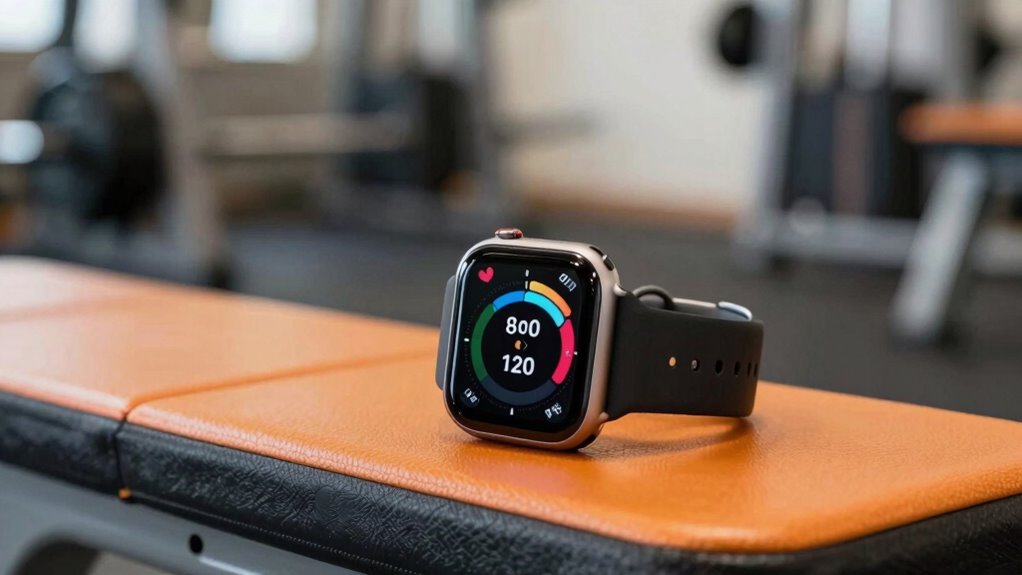
Understanding your training progress is essential for making meaningful improvements, and fitness metrics provide the clear, actionable insights you need. When you track your progress, you gain a better understanding of how your body responds to different workouts, nutrition habits, and recovery strategies. These metrics aren’t just numbers; they’re your roadmap to smarter training. By paying attention to key indicators, you can identify what’s working and what needs adjustment, ensuring you’re consistently moving toward your goals.
Tracking your progress reveals what works, guiding smarter training and continuous improvement toward your goals.
One of the simplest yet most effective ways to build better training awareness is by monitoring your nutrition habits. What you eat fuels your workouts and influences recovery, so keeping a close eye on your diet can make a noticeable difference. Tracking your macronutrients—protein, carbs, and fats—helps you understand how your food choices impact energy levels and muscle growth. For instance, if you notice fatigue during training, it could be a sign to adjust your carbohydrate intake or improve your hydration. Using apps or a journal to log your meals can reveal patterns, making it easier to fine-tune your diet for optimal performance.
Recovery strategies play a critical role in your training progress, and fitness metrics can help you evaluate their effectiveness. Rest and recovery aren’t just about sleep; they include activities like stretching, foam rolling, and active recovery days. By tracking how you feel after different recovery methods, you can determine which strategies help you bounce back faster. Heart rate variability, for example, is a useful metric to assess your recovery status. A higher variability generally indicates better recovery and readiness for intense workouts, while lower variability suggests you might need more rest. Paying attention to these signals allows you to avoid overtraining and reduce injury risk. Additionally, understanding training fundamentals such as principles and progression can help you interpret these metrics more effectively. Incorporating knowledge from dog breeds and their unique traits, such as intelligence or physical capabilities, can also serve as a reminder that individual responses to training and recovery vary, making personalized tracking even more valuable. Recognizing the importance of individual responses helps ensure your training plan is tailored to your specific needs, optimizing results and minimizing setbacks. Moreover, considering how training technology can provide real-time feedback enhances your ability to monitor progress more accurately and adjust accordingly. Furthermore, understanding how ergonomics can improve your training environment ensures you maintain proper form and reduce injury risk during workouts.
Incorporating these metrics into your routine doesn’t mean obsessing over every number. Instead, it’s about creating a feedback loop that informs your decisions. If you notice consistent fatigue or stagnation despite training hard, look at your nutrition habits and recovery strategies. Are you eating enough protein? Are you allowing enough rest days? These insights enable you to make small, deliberate adjustments that add up over time. With consistent tracking, you develop a more intuitive sense of what your body needs, boosting your training awareness and ultimately leading to better results.
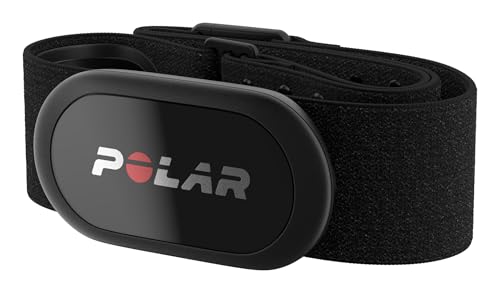
Polar H10 Heart Rate Monitor Chest Strap – ANT + Bluetooth, Waterproof HR Sensor for Men and Women, Black, M-XXL
- Compatibility: Works with all HRM-compatible devices
- Accuracy: Highly accurate heart rate measurement
- Connectivity: Bluetooth, ANT+, and 5 kHz support
As an affiliate, we earn on qualifying purchases.
As an affiliate, we earn on qualifying purchases.
Frequently Asked Questions
How Often Should I Track My Fitness Metrics for Optimal Results?
You should track your fitness metrics at ideal intervals, usually once a week or bi-weekly, to get meaningful insights without feeling overwhelmed. Regular tracking helps you notice trends and adjust your training effectively. If you’re just starting, weekly checks work well. As you progress, you might increase frequency for more detailed feedback. Find a balance that keeps you motivated and informed without disrupting your training flow.
What Is the Best Fitness Metric for Beginners?
The best fitness metric for beginners is your daily step count. Imagine waking up each morning, curious about your progress, enthusiastic to see how many steps you take. This simple metric offers clear progress tracking and high metric accuracy without overwhelming you. It keeps you motivated, helps build consistency, and provides instant feedback. As you see your steps increase, your confidence grows—making it a powerful starting point for your fitness journey.
Can Fitness Metrics Replace Personal Trainer Guidance?
Fitness metrics can’t fully substitute personal trainer guidance, but they’re valuable tools for your fitness journey. Personal trainers provide expert advice, motivation, and tailored plans, which metrics alone can’t offer. Fitness tracking helps you monitor progress and identify patterns, but combining these with professional guidance ensures safety and efficiency. Use metrics to supplement your training, and consider a personal trainer for personalized support that keeps you accountable and on track.
How Do I Interpret Inconsistent or Fluctuating Data?
You might think fluctuating data means your efforts are ineffective, but data variability often reflects normal changes. To interpret inconsistent data, check your tracking consistency—are you measuring at the same time, under similar conditions? Remember, minor fluctuations are normal due to factors like sleep or hydration. Focus on overall trends rather than daily variations, and use consistent methods to get clearer insights into your progress.
Are There Any Risks in Over-Monitoring My Fitness Progress?
Yes, over-monitoring your fitness progress can lead to risks like increased anxiety and data obsession. Constantly tracking can make you overly focused on small fluctuations, causing stress and possibly hampering your motivation. Monitoring anxiety might rise as you obsess over every metric, which can negatively impact your mental well-being. To avoid this, set limited check-ins and remember that progress isn’t always linear—balance is key for sustainable results.

Taja Fitness Workout Journal & Log Book for Women & Men, Fitness Planner
- Workout Tracking Sections: Log exercises, sets, reps, and weights
- Goal Setting and Tracking: Set and monitor up to 10 fitness goals
- Pre and Post-Workout Data: Record measurements and progress details
As an affiliate, we earn on qualifying purchases.
As an affiliate, we earn on qualifying purchases.
Conclusion
By harnessing simple fitness metrics, you turn your training journey into a clear roadmap rather than a foggy maze. Think of these metrics as your trusted compass, guiding you through peaks and valleys with confidence. As you track and adjust, your awareness blossoms like a garden in full bloom, making every step more purposeful. Keep it simple, stay curious, and watch how your progress transforms into a story of steady victory—one metric at a time.

Etekcity Food Kitchen Scale with Nutritional Calculator, Smart App, 11lb
- Health Tracking: Monitor 19 nutrients via app
- Comprehensive Food Database: Supports Nutritionix with 1M foods
- Custom Food Data: Add and modify personal food info
As an affiliate, we earn on qualifying purchases.
As an affiliate, we earn on qualifying purchases.

The Clinician’s Guide to Substance Use Disorders: Practical Tools for Assessment, Treatment & Recovery
As an affiliate, we earn on qualifying purchases.
As an affiliate, we earn on qualifying purchases.