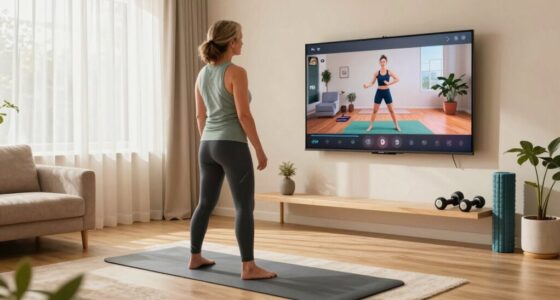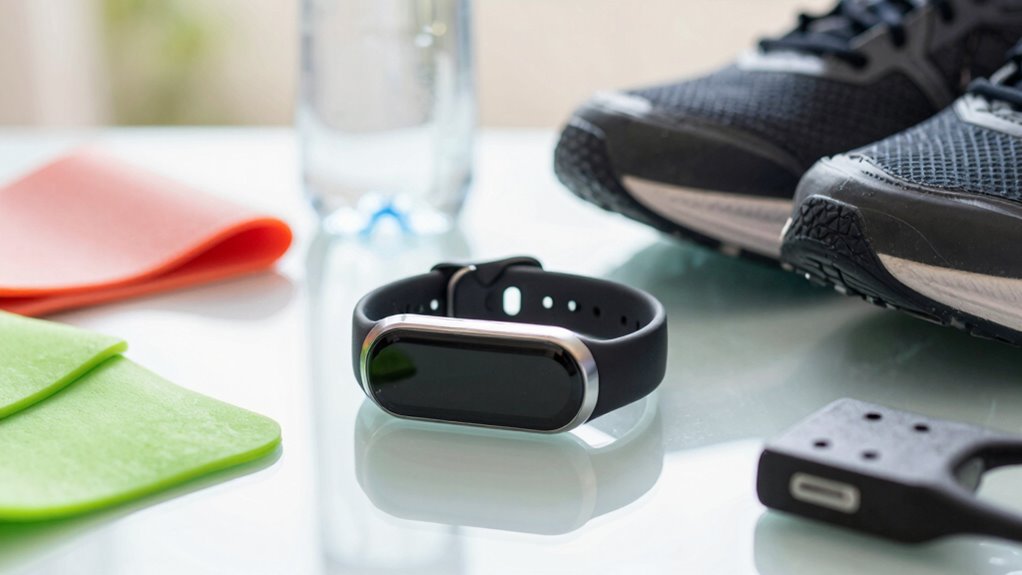
To avoid buying fitness tech for the wrong reasons, focus on your personal goals instead of marketing hype or peer influences. Don’t be swayed by flashy ads or social media claims; instead, evaluate if the device truly helps you progress. Be cautious of quick promises and high-pressure sales. Prioritize tools that fit your routine, provide durable features, and motivate sustainable habits. Staying grounded guarantees your choices serve your long-term wellbeing—keep exploring to learn more about making smarter decisions.
Open a free Amazon Business account
Business pricing, bulk buying and tax-exempt orders.
As an affiliate, we earn on qualifying purchases.
Key Takeaways
- Assess if the device addresses your specific fitness goals rather than following trends or hype.
- Avoid peer pressure by making independent decisions based on personal needs, not social influence.
- Recognize that real progress takes time; don’t expect instant results from new tech.
- Research device features, durability, and suitability to ensure a long-term, practical investment.
- Focus on sustainable habits and personal motivation instead of chasing quick fixes or popular gadgets.
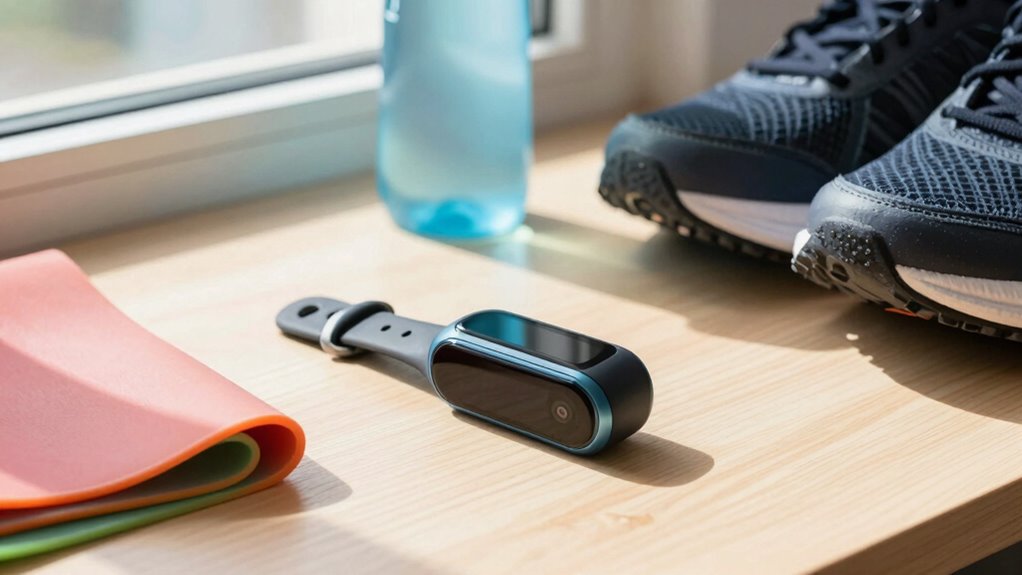
Buying fitness tech can be tempting, especially with the promise of tracking progress and boosting motivation. It’s easy to get caught up in the excitement of new gadgets that seem to promise quick results or a total transformation. But before you make a purchase, it’s important to step back and ask yourself why you’re really interested in that device. One common trap is falling prey to brand hype. Manufacturers often promote their products as must-haves, backed by flashy ads and glowing reviews that may overstate the benefits. You might think, “Everyone’s using this,” or “It’s the best on the market,” but that doesn’t mean it’s the right fit for you. Instead, focus on your actual needs. Does this device address a specific goal you have? Will it genuinely help you stay accountable or improve your workouts? If not, it’s worth reconsidering whether the hype is convincing enough to justify the purchase.
Peer pressure is another powerful factor that can lead to buying fitness tech for the wrong reasons. When friends or social media influencers rave about certain devices, it can feel like you’re missing out or falling behind if you don’t jump on the bandwagon. But keep in mind, just because others are excited about a product doesn’t mean it’s suitable for you. You don’t need to compete with your friends’ gadgets or try to match their latest purchases. Your fitness journey is personal, and what works for someone else might not work for you. Instead of succumbing to peer pressure, think about your own goals and whether this tech genuinely helps you achieve them. If it doesn’t, it’s better to hold off or look for more tailored solutions.
It’s also easy to get swept up in the desire for instant results. Many fitness gadgets promise rapid progress, but real improvements take time and consistent effort. Buying tech just because it’s the “latest and greatest” can lead to disappointment when expectations aren’t met. Instead, focus on establishing a sustainable routine that aligns with your lifestyle, using tech as a tool rather than a magic fix. Remember, the most effective fitness tools are those that motivate you to stick with your plan in the long run, not the ones that promise overnight success. Additionally, understanding the contrast ratio of a device’s display can help you choose tools that are easier on your eyes and more comfortable during extended use. Being mindful of brand hype and peer pressure can also help you avoid impulsive purchases driven by marketing or social influences. Moreover, recognizing the importance of natural fitness approaches can also help you stay grounded in what genuinely benefits your wellbeing. Furthermore, considering the quality and durability of fitness devices ensures that your investment will last and serve your needs effectively over time.
Being aware of display comfort features, such as the contrast ratio, can help prevent eye strain during prolonged use, making your fitness experience more enjoyable.
fitness tracker for sustainable habits
As an affiliate, we earn on qualifying purchases.
As an affiliate, we earn on qualifying purchases.
Frequently Asked Questions
Can Fitness Tech Replace Professional Medical Advice?
Fitness tech can’t replace professional medical advice because of medical implications and data accuracy concerns. While it offers useful insights, it doesn’t consider your full health history or symptoms. Relying solely on fitness gadgets might lead to misinterpretation or overlook serious issues. Always consult a healthcare professional for medical concerns, as they provide personalized advice, accurate diagnosis, and treatment plans that fitness devices simply can’t match.
How Do I Choose the Right Fitness Device for My Goals?
To choose the right fitness device for your goals, start by evaluating your lifestyle compatibility—pick a device that fits seamlessly into your daily routine. Consider your budget considerations to avoid overspending on features you won’t use. Research different options, read reviews, and prioritize features that align with your fitness objectives. This way, you’ll find a device that motivates you without unnecessary complexity or expense.
Are Cheaper Fitness Gadgets as Effective as Expensive Ones?
Cheaper fitness gadgets can be effective if you focus on your goals and features that matter most. Budget concerns matter, but don’t compromise on quality—look for reputable brands with positive reviews. Cheaper devices often lack advanced metrics or durability, but they can still track basic activity and motivate you. Ultimately, effectiveness depends on how you use the gadget and whether it aligns with your fitness goals, not just its price.
What Features Should I Prioritize in Fitness Tech?
Did you know 70% of users stop using fitness devices within a year? To make your investment worthwhile, prioritize features like wearable compatibility, ensuring it syncs with your favorite apps, and battery longevity, so you won’t have to charge it constantly. These features keep your device functional and convenient, helping you stay motivated and consistent with your fitness goals without the frustration of technical issues or frequent recharging.
How Often Should I Update or Replace My Fitness Devices?
You should update or replace your fitness devices when their battery life starts to decline considerably or if the device shows signs of poor durability. Typically, this might be every 2-3 years, but it depends on usage. If your device no longer holds a charge or can’t withstand daily wear and tear, it’s time for an upgrade. Regularly evaluating these factors guarantees you get accurate data and reliable performance.
As an affiliate, we earn on qualifying purchases.
Conclusion
Remember, fitness tech is like a mirror — it reflects your true intentions, not just your external progress. If you buy it to impress others or chase quick fixes, you risk losing sight of your genuine goals. Instead, let your commitment be the compass guiding your choices. When you focus on authentic growth, these tools become allies, not distractions. Embrace them wisely, and watch how they illuminate your path to lasting health and confidence.
personalized fitness motivation device
As an affiliate, we earn on qualifying purchases.
As an affiliate, we earn on qualifying purchases.
As an affiliate, we earn on qualifying purchases.
Flea & tick season Picks
flea and tick prevention
As an affiliate, we earn on qualifying purchases.