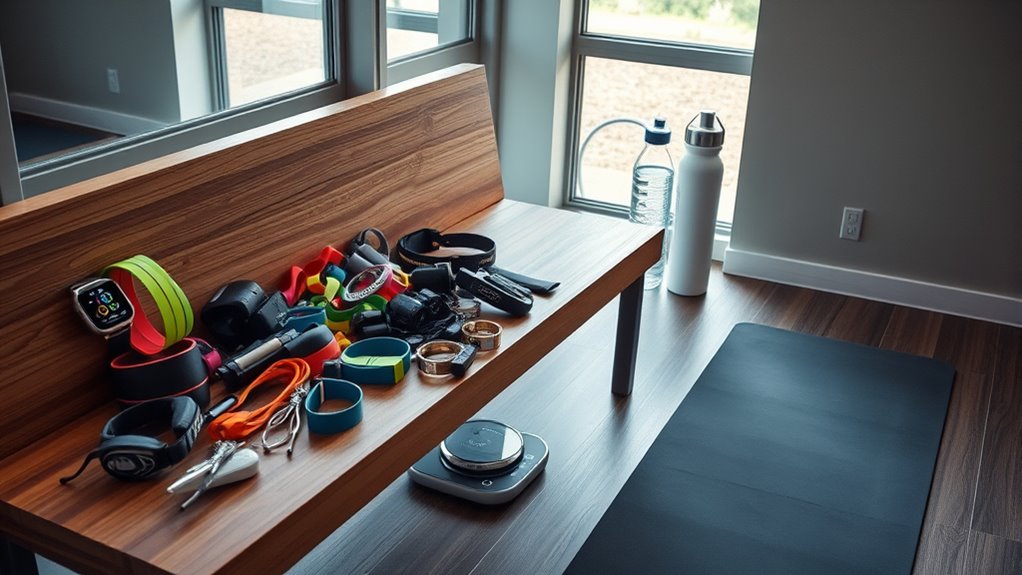

If you find yourself overwhelmed, distracted, or losing motivation despite all your gadgets, it’s time to simplify. Excess tech can cause frustration, drain your budget, and take away from the joy of movement. Focus on basic exercises, listen to your body, and reduce notifications or clutter. Simplifying helps you stay consistent, reconnects you with your goals, and boosts your enjoyment. Keep exploring to learn how peeling back the tech can transform your routine.
Listen free for 30 days with Audible
Thousands of audiobooks and originals — cancel anytime.
As an affiliate, we earn on qualifying purchases.
Key Takeaways
- Excess fitness tech can cause overwhelm, distraction, and reduce enjoyment; simplify to reconnect with your natural movement and goals.
- Over-reliance on gadgets may lead to frustration if devices malfunction or stop syncing, diminishing motivation.
- Cluttered equipment and hidden costs from gadgets and memberships can drain your budget and space; prioritize versatile, essential tools.
- Balancing data tracking with body awareness prevents ignoring fatigue, pain, or mental exhaustion, promoting safer, more intuitive workouts.
- Unplugged routines foster presence, better form, and motivation, making workouts more effective and enjoyable without unnecessary tech.
basic fitness equipment for beginners
As an affiliate, we earn on qualifying purchases.
As an affiliate, we earn on qualifying purchases.
Recognizing Overwhelm and Burnout

When your workouts start to feel more exhausting than energizing, it’s a clear sign you might be experiencing overwhelm or burnout. You may notice a decline in mental clarity, making it harder to focus or stay motivated. Your emotional balance could feel disrupted, leading to feelings of frustration or apathy toward your routine. Recognizing these signs early helps you understand that your body and mind need a break. Pushing through without pause can deepen burnout and diminish your overall progress. Instead, take time to evaluate whether your current fitness tech setup is overwhelming or unnecessary. Simplifying your routine can restore mental clarity and emotional stability, allowing you to reconnect with your goals more mindfully and regain the joy of exercising. Additionally, paying attention to your body’s signals can help you prevent further overwhelm, ensuring your fitness journey remains sustainable and enjoyable. Incorporating evidence‑informed guidance into your routine can help you make smarter, less overwhelming adjustments. Using a streamlined approach can also help avoid the distraction caused by excessive fitness gadgets, allowing you to focus on consistent movement and mindful practices. Recognizing the importance of environmental factors can further support your mental and physical well-being during your fitness journey.
As an affiliate, we earn on qualifying purchases.
When Devices Fail to Motivate
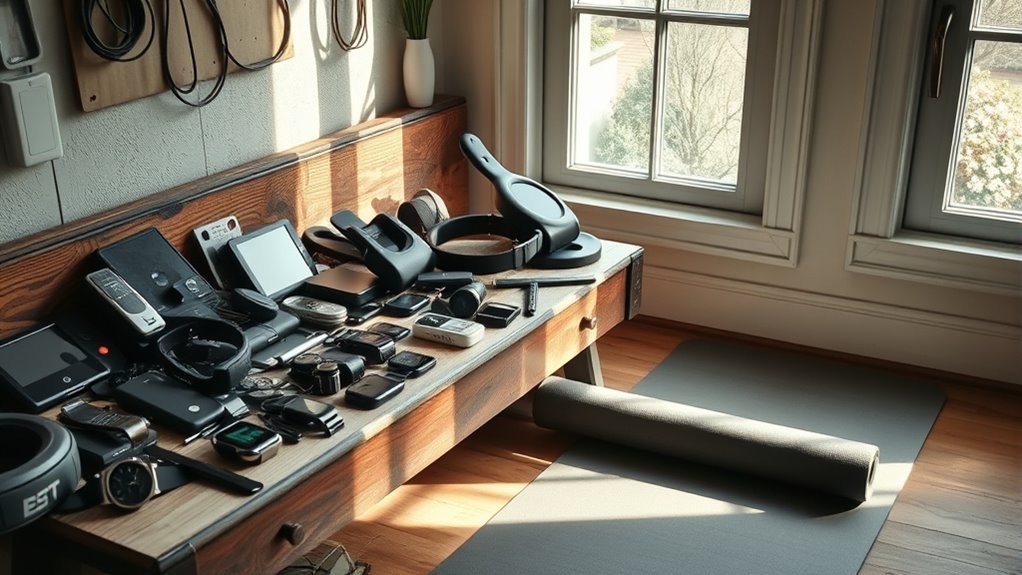
When your devices stop sparking enthusiasm, it’s time to reassess your routine. Device overload, motivation plateaus, and tech fatigue can all sap your drive to stay active. Recognizing these signs helps you decide when to simplify and reconnect with your fitness goals. Incorporating compassionate caregiving principles can ensure that your approach remains supportive and sustainable. Sometimes, returning to basics and focusing on simple exercises can reignite your motivation and make your fitness journey more enjoyable. Additionally, understanding the power of proper technique can enhance safety and effectiveness, reminding you that quality movement often surpasses technology-driven motivation. Paying attention to mindful movement can also help you stay present and engaged during your workouts, reducing reliance on devices. Just as athletes like Christian Yelich rely on precise technique to excel, embracing fundamental movements can help you stay consistent and injury-free.
Device Overload Dilemmas
Despite having an array of fitness devices at your fingertips, it’s common to find yourself feeling unmotivated or overwhelmed. You might believe wearable myths, thinking more gadgets automatically mean better results, but that’s not always true. Relying too heavily on gadgets can create gadget dependency, where your motivation depends on constant updates or notifications. This overload can lead to frustration if devices malfunction or stop syncing, making your routine feel more like a chore than a benefit. Instead of piling on multiple devices, focus on a simple, consistent approach. Sometimes, less is more—removing unnecessary tech can help you reconnect with your goals and rediscover genuine motivation without the distraction of endless notifications or device clutter. Additionally, understanding the role of contrast ratio in your device displays can help ensure your screen visuals are clear and engaging, boosting your overall motivation to stay active. Recognizing the importance of energy efficiency in your gadgets can also prevent battery drain and keep your devices running smoothly, supporting a more sustainable and hassle-free fitness routine.
Motivation Plateaus Occur
Even with the latest fitness gadgets, you might find your motivation stalling after initial enthusiasm fades. This is common when progression challenges become frustrating or motivation dips occur. When your devices no longer inspire you, training can feel stagnant. To combat this, try:
- Setting new, achievable goals to reignite your drive
- Incorporating variety to prevent boredom and challenge your body differently
- Tracking small wins to boost confidence and motivation
These strategies help you push past motivation plateaus by keeping your routine fresh and focused. Remember, devices are tools, but they can’t replace your mental commitment. Recognizing when your motivation stalls allows you to adjust your approach and stay on track without feeling discouraged. Sometimes, simplifying your routine can be the key to overcoming these hurdles.
Tech Fatigue Sets In
As motivation from fitness devices wanes, you may start to feel worn out by constant notifications, data tracking, and gamified challenges. The novelty fades, and instead of inspiring you, these features can lead to tech fatigue. You might find yourself overwhelmed by the pressure to stay connected and compete through social sharing, which can diminish your enjoyment. Sometimes, focusing on fitness fashion—simple, comfortable gear—feels more motivating than juggling multiple gadgets. When devices no longer spark enthusiasm, it’s a sign to step back and simplify. Removing unnecessary tech can help you reconnect with your workout’s purpose, making movement more natural and less driven by screens. Remember, fitness should feel energizing, not exhausting.
As an affiliate, we earn on qualifying purchases.
The Cost of Excessive Equipment
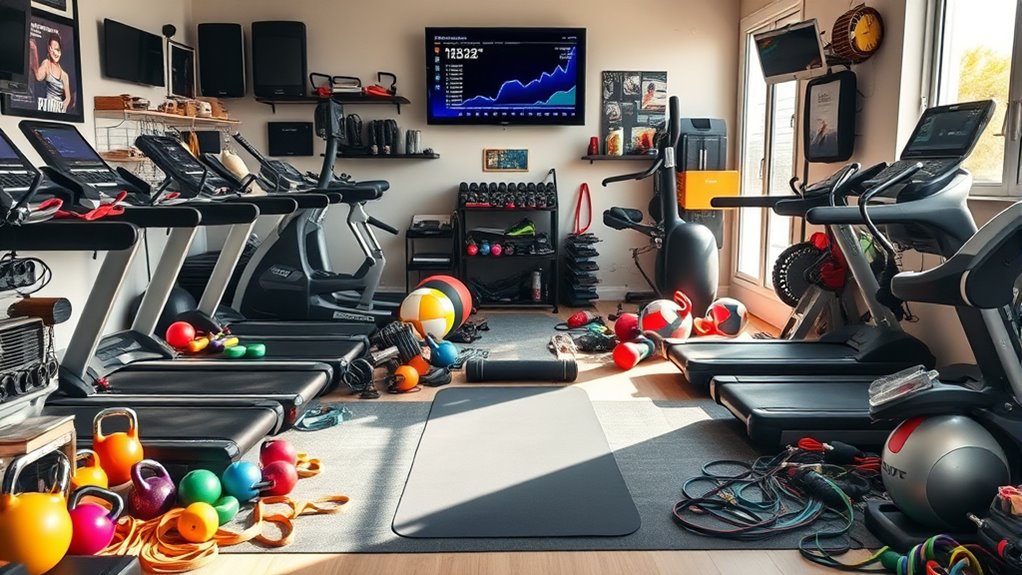
Having too much equipment can quickly add up in hidden costs you might not notice. You may spend more on purchases you rarely use, and all that gear can turn your space into clutter. Consider whether the expense and storage challenges are worth the benefits before accumulating more. Additionally, investing in high-quality home decor and gift ideas can offer more versatile and lasting value than excessive fitness gear. Evaluating your sauna and cold plunge systems to ensure they meet your needs can help prevent unnecessary purchases and maintain an organized, functional space. Recognizing the importance of smart appliance integration can further streamline your routines and avoid redundant equipment. Understanding AI software engineer jobs and their role in developing health and wellness technology can help you make informed decisions about your equipment investments, ensuring they align with your goals and space constraints.
Hidden Purchase Expenses
Investing in too much fitness equipment can quickly add up, often leaving you with costly items that rarely get used. Beyond the initial purchase, hidden expenses can strain your budget constraints and raise privacy concerns. You might find yourself paying for maintenance, upgrades, or memberships linked to your gear. These costs can sneak up unexpectedly, especially if you buy multiple devices or bulky equipment. For example, some high-tech gadgets may require regular updates or specialized repair services that add to your expenses. Additionally, if you consider integrating electric bikes or bike generators into your routine, there may be additional costs associated with maintenance and safety gear. Consider these hidden expenses: – Maintenance and repair fees for high-tech gadgets – Subscription costs for apps or online training services – Additional accessories or replacements over time – The impact on your privacy, as some devices may collect personal data without clear disclosure. Regularly checking the Air Purifier Maintenance Dos and Don’ts can help prevent costly repairs and keep your devices functioning efficiently. It is also important to evaluate whether your fitness technology aligns with your actual needs and goals to avoid unnecessary expenditures. These ongoing costs can make your fitness setup more expensive than anticipated. Simplifying your routine helps you stay within budget and keeps your privacy intact, avoiding the trap of unnecessary purchases.
Clutter and Storage
Excessive fitness equipment can quickly create clutter that overwhelms your space and complicates your routine. When your home is filled with unused or rarely used gear, it becomes harder to stay organized and motivated. To combat this, explore smart storage solutions like wall-mounted racks, stackable bins, or multifunctional furniture that keeps equipment out of sight but accessible. Implement decluttering strategies by regularly evaluating what you truly need and donating or selling the rest. Simplifying your setup not only frees up space but also makes your workouts more efficient and enjoyable. Remember, more isn’t always better—streamlining your equipment reduces distractions and helps you focus on your fitness goals without the chaos of excess gear cluttering your environment. Additionally, adopting efficient storage solutions can optimize your space, similar to how field-of-view and imaging-scale considerations help astronomers organize equipment for optimal results. Incorporating sound management techniques, such as noise-reducing storage options, can further enhance your workout environment by minimizing distractions.
As an affiliate, we earn on qualifying purchases.
Tracking vs. Listening to Your Body
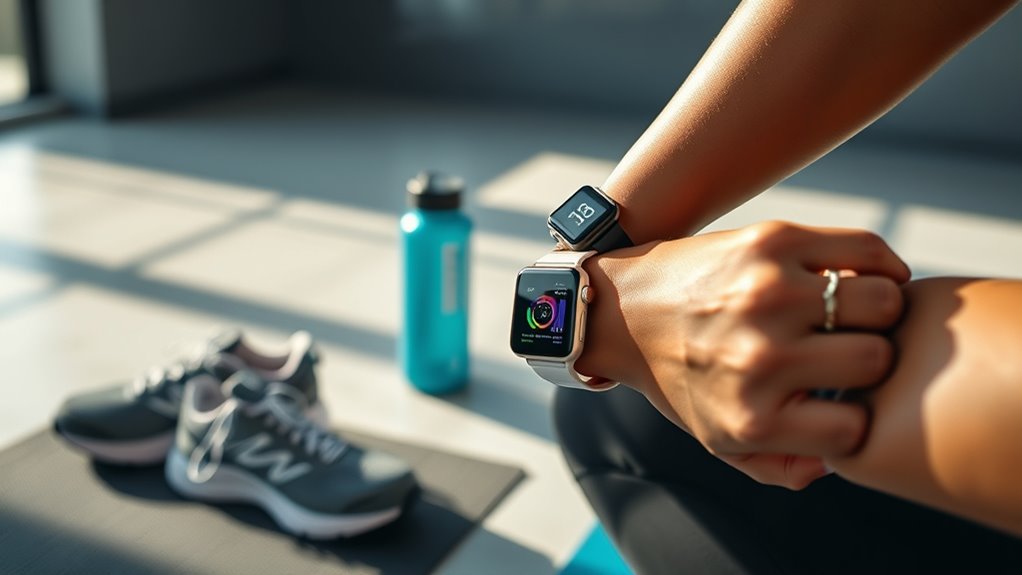
While tracking devices can provide valuable data, they shouldn’t replace paying attention to how your body feels. Relying solely on numbers may overlook signals like fatigue, pain, or mental exhaustion. Listening to your body helps prevent overtraining and injury. However, be mindful of data privacy concerns and device compatibility issues, which can limit your options or compromise your information. Balance both approaches by using tech as a guide, not a rule. Consider these points:
Use tracking devices wisely—listen to your body and protect your privacy.
- Use data as a supplement, not a substitute, for your intuition.
- Regularly assess how your body responds beyond the numbers.
- Choose devices with strong data privacy policies and compatible features.
The Distraction of Constant Notifications

Constant notifications from fitness apps and wearable devices can easily distract you during workouts or daily activities. This notification overload pulls your focus away from what truly matters—listening to your body and staying present. Instead of enhancing your routine, these alerts can create device dependency, making you feel compelled to check every buzz or ping. Over time, this reliance can diminish your ability to trust your instincts and reduce the effectiveness of your workouts. To regain control, consider turning off non-essential notifications or setting specific times to check your device. Simplifying your tech use helps you stay focused, reduces stress, and allows you to enjoy your activity without constant interruptions. Less distraction means better awareness and a more genuine connection to your fitness journey.
Simplifying for Better Consistency
Simplifying your fitness routine can considerably improve your consistency over time. When you focus on minimal equipment and streamlined routines, it’s easier to stay committed without feeling overwhelmed. Simplified routines eliminate decision fatigue, making it more likely you’ll stick to your plan. Using fewer tools means less setup and fewer distractions, helping you stay focused on your workout. To make this work for you, consider:
- Choosing versatile, minimal equipment like dumbbells or resistance bands
- Creating straightforward routines that target your main fitness goals
- Prioritizing consistency over complexity, sticking to a manageable schedule
The Benefits of Unplugged Workouts

Unplugged workouts can substantially boost your focus and overall workout quality. In today’s fitness trends, many people rely heavily on gadgets and apps, but stripping away tech encourages you to connect with your body and surroundings. Minimal equipment workouts challenge your strength and flexibility without distractions, making each movement more intentional. Without notifications or screens, you stay present, which can improve form and reduce injuries. Plus, unplugged routines are often more flexible; you can do them anywhere, anytime. This simplicity also helps you rediscover basic exercises that build a solid foundation. By focusing on your body’s signals and natural movement, you enhance your mind-body connection, leading to more efficient, satisfying workouts. Sometimes, less truly is more.
When Tech Becomes a Barrier
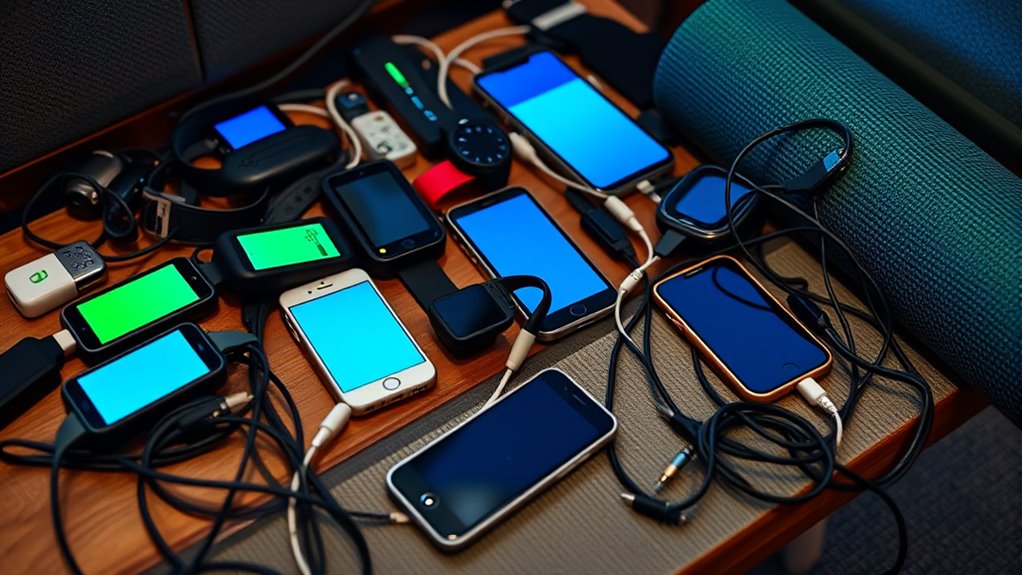
While technology can enhance your workouts, it often becomes a barrier when notifications, social media, or endless tracking distract you from your goals. These interruptions erode your mental clarity and hinder progress. To combat this, embrace digital minimalism by limiting app use and turning off non-essential alerts. Simplify your routine by focusing on what truly matters, rather than chasing every data point. This approach helps you stay present and connected to your body, rather than your device. Consider these strategies:
- Turn off notifications during workouts
- Use a single, purpose-driven app for tracking
- Schedule tech-free periods to restore mental clarity
Finding Joy in the Basics

Have you ever noticed how returning to the basics can reignite your enjoyment of fitness? Sometimes, stripping away gadgets and complex routines allows you to reconnect with what truly matters: mindful movement. Focus on simple activities like walking, stretching, or bodyweight exercises that emphasize awareness of your body and breath. This joyful simplicity can make your workouts more engaging and fulfilling. When you slow down and savor each movement, you rediscover the pleasure of moving just for the sake of movement, not for data or stats. Finding joy in the basics helps you stay motivated and present. It’s a reminder that fitness doesn’t have to be complicated to be effective or enjoyable. Sometimes, less really is more.
Frequently Asked Questions
How Can I Tell if I’M Relying Too Much on Fitness Technology?
If you notice device dependency, like feeling lost without your fitness gadgets, or experiencing tech fatigue, you might be relying too much on fitness technology. When your workouts become more about checking stats than enjoying movement, it’s a sign to step back. Try focusing on how your body feels, and limit device use. Simplifying your routine can boost motivation and help you reconnect with your fitness journey.
What Are Signs That My Fitness Routine Is Becoming Unbalanced?
Your routine’s unbalanced when tracking fatigue becomes your only focus, and workout boredom hits like a ton of bricks. If you’re constantly pushing without proper rest or losing enthusiasm, it’s a sign you’re overdoing it. Relying solely on tech can mask these issues, so pay attention to how you feel—not just the data. Mixing things up keeps your routine healthy, enjoyable, and sustainable in the long run.
Are There Affordable Alternatives to Expensive Fitness Gadgets?
Yes, there are budget-friendly options and DIY fitness gadgets that can replace costly tech. You can use household items like water bottles or backpacks for weights, and leverage free apps or online videos for guided workouts. These alternatives save money while still offering effective exercises. Plus, DIY gadgets foster creativity and help you stay motivated without breaking the bank, making fitness accessible and fun for everyone.
How Do I Rebuild Motivation Without Relying on Devices?
Ever wonder if you really need wearable devices or fitness apps to stay motivated? You don’t—sometimes, going back to basics works best. Set small, achievable goals, find activities you genuinely enjoy, and track your progress with simple methods like a journal. Remember, motivation comes from within, not just gadgets. Reconnect with your reasons for being active, and you’ll find your drive naturally renewed without relying solely on technology.
What Are Simple Ways to Stay Active Without Constant Notifications?
To stay active without constant notifications, try manual workouts like bodyweight exercises or yoga, which don’t rely on tech. Incorporate outdoor activities such as walking, biking, or hiking to keep your routine fresh and engaging. Set small, achievable goals and schedule regular outdoor sessions. This way, you focus on movement rather than screens, making exercise more natural and less dependent on technology, helping you stay motivated and consistent.
Conclusion
Sometimes, less truly is more—like clearing away clutter to see the beauty of a simple sunrise. When your fitness tech becomes more of a distraction than a tool, it’s time to step back and reconnect with your body’s natural rhythm. Simplifying your routine allows you to rediscover joy and consistency without the noise. Remember, the greatest progress often comes when you stop chasing every shiny gadget and start listening to what your body truly needs.
Flea & tick season Picks
flea and tick prevention
As an affiliate, we earn on qualifying purchases.