TL;DR

Get workout gear delivered free with Prime
- Fast, free delivery on millions of items
- Prime Video, Amazon Music and more included
- Member-only deals all year
A Fit&Well personal trainer recommends the bodyweight good morning as a short post-walk stretch for people who cannot fit in a full cool-down. The report describes how to do the hip hinge and which muscles it targets, but provides no research or evidence that the move prevents stiffness or injury.
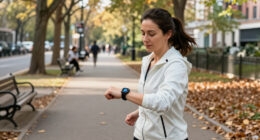
Fit&Well has reported a personal trainer’s recommendation for walkers short on time: spend about 60 seconds doing a bodyweight good morning after a walk. The trainer presents it as a brief way to stretch muscles along the back of the body, not as a replacement for a full cool-down.
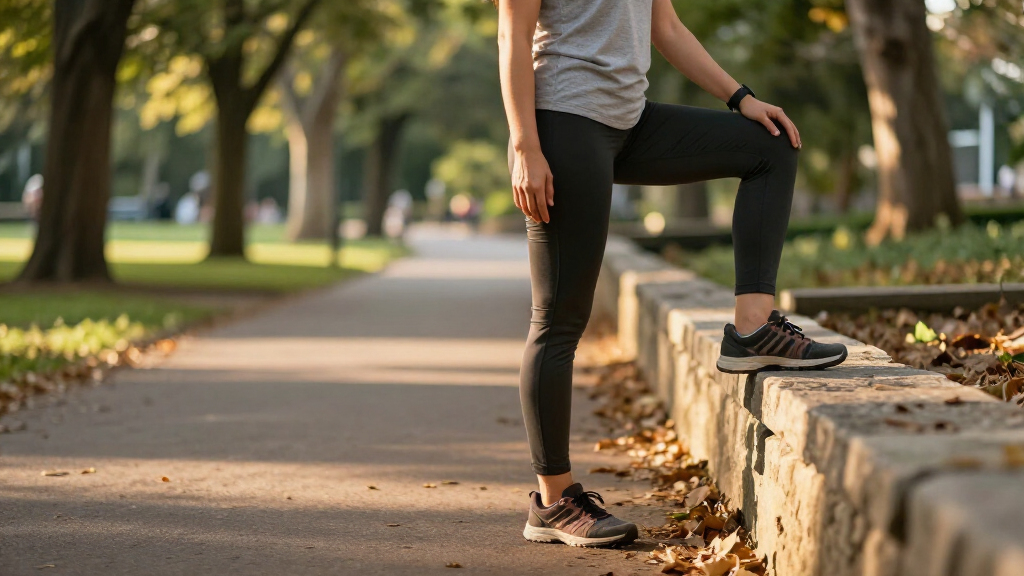
The trainer says walking is a low-impact way to improve cardio fitness and recommends it to personal-training clients. The report says some clients skip stretching because they do not have time for a longer routine. The trainer’s suggested alternative is a standing hip hinge: move the hips back while lowering the torso, then return to standing.
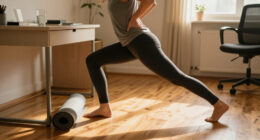
To perform the movement, stand with feet hip-width apart and keep a slight bend in the knees. Place the hands on the hips or beside the ears, with elbows out. Hinge at the hips and push the buttocks back, lowering the torso until it is parallel to the floor or until a stretch is felt at the back of the legs. Keep the back flat and shoulder blades engaged, then drive the hips forward to stand.
The trainer advises walkers not to straighten their knees, saying that doing so reduces the stretch through the hamstrings and back. The report describes the move as working the posterior chain—including the glutes, muscles alongside the spine, hamstrings and calves—and involving hip movement. It does not provide a study, clinical evidence or a comparison with other post-walk routines.
A Short Option After a Walk
The recommendation addresses a practical barrier: some walkers may not have time or inclination for a lengthy post-exercise routine. A one-minute movement is easier to fit into a daily schedule, and the report gives readers a specific form cue rather than simply advising them to stretch.
That practical appeal should not be confused with proof of a health outcome. Fit&Well’s trainer says regularly skipping stretches can lead to stiff muscles, but the material supplied does not cite research establishing that link or show that this particular exercise prevents stiffness, soreness or injury. The suggestion is best understood as one trainer’s routine, not a universal requirement for everyone who walks.
The movement also involves bending at the hips and keeping the back flat. People who feel pain, have limited mobility or have a condition that affects movement may need to adapt it or ask a qualified health professional for advice. The report does not provide modifications for those circumstances.
As an affiliate, we earn on qualifying purchases.
The Trainer’s Post-Walk Advice
The report describes walking as a low-impact activity the trainer recommends to personal-training clients to support cardio fitness. It then focuses on what some clients do after a walk: according to the trainer, they often omit stretching because a full-body routine does not fit their schedules.
The proposed bodyweight good morning is performed without equipment and uses a familiar hip-hinge pattern. The trainer says it can create a stretch through the muscles at the back of the body. The report also suggests placing the hands beside the ears, rather than on the hips, to involve the back and stretch the chest and shoulders. That is presented as a form option, not as a separately tested benefit.
Although the report calls the move an alternative for time-pressed clients, it does not set out a broader cool-down plan or say that every walker needs to stretch after each outing. Its specific claim is narrower: the trainer recommends this movement when clients do not have time for a full routine.
As an affiliate, we earn on qualifying purchases.
Evidence and Individual Suitability
The supplied report does not name the trainer or provide research supporting the claim that regularly skipping stretches can lead to stiff muscles. It also does not show that a bodyweight good morning has been tested as a way to prevent stiffness or injury. The recommendation is attributed to the trainer, and the material available does not establish whether the move is more effective than other stretches or a full cool-down.
It is also unclear how the exercise should be adapted for people with pain, balance difficulties or restrictions on bending. The report gives general instructions but no individualized guidance. Readers should stop if the movement causes pain and seek professional advice if they have a pre-existing condition that affects exercise.
As an affiliate, we earn on qualifying purchases.
How Walkers Can Use the Advice
The report offers a practical sequence rather than a new formal program: after a walk, take about 60 seconds to perform the bodyweight good morning, using a slight knee bend and a flat back. The trainer’s main cue is to send the hips back as the torso lowers, stopping when a stretch is felt or the torso reaches a comfortable position.
No follow-up study, trial or additional guidance is announced in the source material. For now, readers can treat the move as an optional short stretch based on one trainer’s advice, rather than as a proven substitute for a cool-down. Anyone unsure whether a hip hinge is appropriate for them can consult a qualified professional before adding it to a routine.
As an affiliate, we earn on qualifying purchases.
Key Questions
What stretch does the trainer recommend after a walk?
The Fit&Well report’s trainer recommends a bodyweight good morning, a standing movement in which the hips hinge back as the torso lowers.
How long should the movement take?
The report lists the exercise duration as 60 seconds. It does not specify a required number of repetitions.
Which muscles does the report say the stretch targets?
The trainer says the movement stretches the posterior chain, including the glutes, muscles alongside the spine, hamstrings and calves.
Does the report prove this stretch prevents stiffness or injury?
No. The source provides a trainer’s recommendation but cites no research showing that the move prevents stiffness or injury.
What should someone do if the movement hurts?
Stop if it causes pain. People with pre-existing conditions or restrictions on bending should seek qualified professional guidance about whether to do or modify it.
Source: rss
Halloween Picks
halloween
As an affiliate, we earn on qualifying purchases.