To build a strong chest at home without a bench press, focus on bodyweight exercises like push-ups, decline push-ups, and diamond push-ups to target different areas. Add resistance with resistance bands, a backpack, or wear a weighted vest to increase difficulty. Incorporate advanced moves such as pseudo planche push-ups, and gradually progress by elevating your feet. Keep challenging yourself with variations, and if you continue exploring, you’ll discover even more effective strategies to boost your chest strength.
Listen free for 30 days with Audible
Thousands of audiobooks and originals — cancel anytime.
As an affiliate, we earn on qualifying purchases.
Key Takeaways
- Use push-up variations like decline, diamond, and pseudo planche to target different chest areas without equipment.
- Incorporate resistance bands or weighted backpacks to increase push-up resistance and promote muscle growth.
- Elevate feet during push-ups to intensify upper chest engagement and challenge your muscles further.
- Start with wall push-ups or low-intensity versions for warm-up and gradually progress to more advanced exercises.
- Consistently vary exercises and add resistance to ensure progressive overload and continued chest development at home.

Building a strong chest doesn’t require a gym membership—you can effectively work out at home with just your body weight and some simple equipment. You don’t need an expensive bench press or a lot of space to develop your pectoral muscles. Instead, focus on bodyweight exercises that target your chest muscles directly, and consider equipment modifications to make these exercises more challenging as you progress.
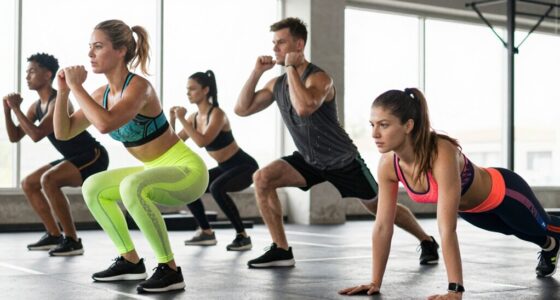
Start with push-ups, the quintessential bodyweight exercise for chest development. They engage your pectorals, shoulders, and triceps while requiring nothing more than your body. To increase intensity, try variations like decline push-ups, where your feet are elevated on a chair or step, shifting more weight onto your upper chest. This variation mimics the incline press and helps target different parts of your chest. You can also do diamond push-ups, placing your hands close together under your chest, to emphasize the inner chest and triceps.
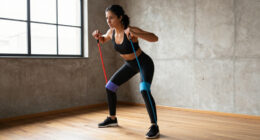
If you want to add more resistance, consider equipment modifications. Resistance bands are affordable and versatile; wrap one around your back, holding the ends in your hands, and perform push-ups as usual. The bands add resistance during each rep, making your muscles work harder. Alternatively, you can use a sturdy backpack filled with books or water bottles. Place it on your back during push-ups to increase the load. These modifications allow you to progressively overload your muscles, which is key for growth.
Another effective bodyweight exercise is the pseudo planche push-up. By leaning forward more than in a standard push-up, you shift more weight onto your chest and shoulders. To make it more challenging, elevate your feet or wear a weighted vest if available. If you have access to a wall, wall push-ups can serve as a warm-up or a low-intensity variation, but for building strength, focus on the floor versions with equipment modifications.
As an affiliate, we earn on qualifying purchases.
Frequently Asked Questions
Can I Build a Balanced Chest Without Any Equipment?
Yes, you can build a balanced chest without equipment using bodyweight exercises like push-ups, incline push-ups, and wide-arm push-ups. These moves target different parts of your chest, helping you develop muscle balance. By varying hand positions and angles, you can effectively engage all chest muscles. Consistency and proper form are key to seeing results, even without weights, ensuring your chest develops strength and symmetry.
How Often Should I Perform Chest Workouts at Home?
You should train your chest 2 to 3 times a week, balancing training frequency with proper recovery strategies. This approach allows your muscles to strengthen without overtraining, reducing injury risk. Rest days are essential; they help your muscles repair and grow. Listen to your body, vary your exercises, and guarantee you’re giving your chest enough time to recover between sessions for ideal results.
Are There Any Risks of Overtraining the Chest Muscles?
Yes, overtraining your chest muscles can lead to muscle soreness, fatigue, and injury. To prevent this, listen to your body and allow adequate rest between workouts. Overtraining risks injury and hinders progress, so balance your routines with proper recovery. Incorporate rest days and avoid excessive volume to promote muscle growth and injury prevention, ensuring you build strength safely without overdoing it.
What Are the Best Stretches to Prevent Injury?
Think of your muscles as delicate threads needing gentle care. Post workout stretches like chest openers, doorway stretches, and arm crossovers are your best tools to loosen tightness. These injury prevention techniques help maintain flexibility and reduce strain. Focus on slow, controlled movements, holding each stretch for 20-30 seconds. Regularly incorporating these stretches into your routine keeps your chest muscles supple and guards against injury, ensuring your gains don’t come at a cost.
How Long Will It Take to See Results?
You can start noticing results in about 4 to 6 weeks with consistent workouts and proper progress tracking. Staying dedicated and maintaining workout consistency is key to building strength and muscle. Keep challenging yourself by increasing reps or intensity, and you’ll see improvements faster. Remember, patience and persistence make a big difference, so stick with your routine and celebrate small milestones along the way.
weighted vest for bodyweight exercises
As an affiliate, we earn on qualifying purchases.
As an affiliate, we earn on qualifying purchases.
Conclusion
Ready to build a strong chest without a bench press? With these simple, effective exercises you can do at home, there’s no excuse not to start today. Consistency is key—push yourself, stay committed, and you’ll see results. So, why wait for gym equipment when you have everything you need right at your fingertips? Your strong, muscular chest is just a few workouts away—are you ready to make it happen?
adjustable resistance bands for strength training
As an affiliate, we earn on qualifying purchases.
As an affiliate, we earn on qualifying purchases.
As an affiliate, we earn on qualifying purchases.
Flea & tick season Picks
flea and tick prevention
As an affiliate, we earn on qualifying purchases.