If you’re aiming for weight loss, both HIIT and steady-state cardio can help, but they do it differently. HIIT burns more calories in less time and boosts your afterburn effect, making it efficient for fat loss. Steady-state cardio is easier to sustain and improves endurance, which can also support weight management. Your choice depends on your schedule and preferences—continue exploring to find the best fit for your goals.
Key Takeaways
- HIIT burns more calories in less time and boosts afterburn effect, making it more efficient for fat loss.
- Steady-state cardio is easier for beginners and supports cardiovascular health with lower intensity.
- Combining both methods can optimize fat burning and prevent workout boredom.
- The best choice depends on individual fitness levels, preferences, and time availability.
- Consistency and enjoyment are key; both methods support weight loss when performed regularly.

Have you ever wondered which cardio workout is more effective: HIIT or steady-state cardio? Both methods aim to boost your fitness and shed pounds, but they do so in different ways. If you’re looking to maximize fat burning in less time, interval training—integral to HIIT—might be your best bet. HIIT involves short bursts of intense effort followed by recovery periods, which keeps your heart rate elevated and promotes more calorie burn in a shorter span. This style of training pushes your body to work harder during those high-intensity intervals, leading to greater fat burning even after you’ve finished exercising. That afterburn effect, known as excess post-exercise oxygen consumption (EPOC), means your body continues to burn calories as it recovers, making HIIT a highly efficient fat-burning workout. Additionally, incorporating connected equipment and fitness apps can help optimize your HIIT sessions for better results.
In comparison, steady-state cardio involves maintaining a consistent, moderate pace for an extended period. It’s easier to perform and often more approachable if you’re new to exercise or prefer a less intense routine. While steady-state cardio can effectively burn calories during the activity itself, it doesn’t quite match the post-exercise fat burning boost that HIIT offers. However, it’s still beneficial for improving cardiovascular health and endurance, and it can be easier to sustain over longer sessions. If your goal is steady weight loss without the intensity of interval training, steady-state cardio can be a reliable option.
When choosing between the two, consider your fitness level, preferences, and schedule. If you thrive on challenge and want quick results, interval training might be more appealing. Its efficiency in fat burning makes it ideal for those with limited time and a desire for maximum calorie expenditure. On the other hand, if you prefer a more relaxed, sustained effort, steady-state cardio can still contribute to your weight loss goals while being easier to incorporate regularly. Both methods can complement each other well; mixing them up can prevent workout boredom and optimize fat burning. Ultimately, consistency is key—whichever you choose, sticking with it regularly will lead to better results over time. Remember, the best workout is the one you enjoy and can maintain consistently, whether it’s the intense bursts of interval training or the steady rhythm of moderate cardio.

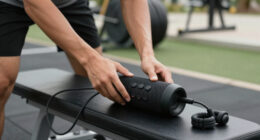
Weighted Ropeless Battle Ropes, Portable Cordless Battle Ropes with Poster
- Portable Cordless Design: Lightweight, durable, and easy to carry
- Silent and Effective Workout: Operates quietly for a better exercise experience
- Comfortable Handle Design: Ergonomic, sweat-absorbing, non-slip rubber handles
As an affiliate, we earn on qualifying purchases.
As an affiliate, we earn on qualifying purchases.
Frequently Asked Questions
Can HIIT Be Safely Done by Beginners?
Yes, you can safely do HIIT as a beginner if you focus on safety and start with manageable intensity. Listen to your body, take breaks when needed, and incorporate workout modifications like lower-impact exercises. Gradually increase the duration and intensity of your sessions to prevent injury. Consulting a fitness professional can help tailor a beginner-friendly HIIT routine, ensuring you build endurance safely and effectively.
How Does Climate Affect Steady-State Cardio Effectiveness?
Climate impacts your steady-state cardio effectiveness considerably. Weather impact, like extreme heat or cold, can reduce your motivation and performance. Humidity effects make it harder to cool down, increasing fatigue and dehydration risks. During high humidity or hot weather, you might need to shorten your sessions or shift workouts indoors. Staying hydrated and choosing ideal times of day can help you maintain steady progress despite these climate challenges.
What Are the Long-Term Health Benefits of Each Method?
You might think either workout method is enough, but both boost your long-term health. Steady-state cardio improves metabolic health by enhancing endurance and cardiovascular function, while HIIT boosts mental wellbeing through endorphin release and efficient fat burning. Regularly engaging in either helps prevent chronic diseases, maintains a healthy weight, and supports your overall energy. Combining both can maximize these benefits and keep your fitness routine exciting.
How Do Recovery Times Differ Between HIIT and Steady-State Cardio?
Recovery times differ markedly between HIIT and steady-state cardio. With HIIT, your muscle recovery takes longer because of the intense bursts, increasing injury risk if you overdo it. Steady-state cardio allows for quicker muscle recovery, reducing injury risk and letting you work out more frequently. To avoid injury, listen to your body and give yourself ample rest, especially after intense HIIT sessions.
Which Method Is Better for Improving Cardiovascular Endurance?
You’ll find interval training, like HIIT, excellent for improving cardiovascular endurance quickly—studies show it can boost VO2 max by up to 20%. This method challenges your heart and lungs with intense bursts, making it effective for endurance building. Steady-state cardio can also help, but it develops endurance more gradually. If you’re aiming for faster gains, interval training is the better choice to push your cardiovascular limits.

Stamina Conversion II Recumbent Exercise Bike and Rower – Cardio Machine with smart Workout App – Exercise Bike for Home Workout – Up to 250 lbs Weight Capacity
- Dual Workout Machine: Full-body low-impact aerobic routines
- Recumbent Exercise Bike: Comfortable low-impact cycling with padded seat
- Versatile Bike Rowing Machine: Adjustable seat, padded handlebars, pivoting footplates
As an affiliate, we earn on qualifying purchases.
As an affiliate, we earn on qualifying purchases.
Conclusion
Whether you choose HIIT or steady-state cardio, remember that consistency, effort, and enjoyment matter most. Both methods boost your metabolism, burn calories, and improve your health—so pick what fits your lifestyle and keep moving. Embrace the challenge, enjoy the process, and stay committed. Because when you make exercise a habit, you’re not just losing weight, you’re gaining strength, endurance, and confidence. Keep pushing forward, and let your dedication lead the way.

Zeacool Fitness Tracker with 24/7 Heart Rate, Blood Oxygen Blood Pressure Sleep Monitor, Activity Trackers 5 ATM Waterproof,Step Calorie Counter Pedometer Health Smart Watch for Women Men Bordeaux
- 24/7 Heart Rate Monitoring: Real-time heart rate, blood oxygen, blood pressure, sleep, and temperature tracking
- AMOLED HD Touch Screen: 1.10 inch colorful, high-definition touch display with customizable watch faces
- Multiple Sport Modes: Supports 25 sports modes for comprehensive activity tracking
As an affiliate, we earn on qualifying purchases.
As an affiliate, we earn on qualifying purchases.
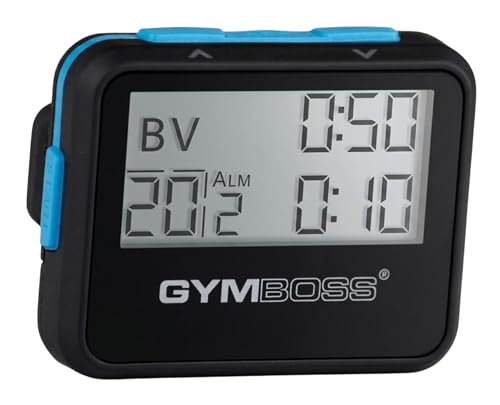
Gymboss Interval Timer and Stopwatch – Black/Blue SOFTCOAT
- Compact Interval Timer: Times 1 or 2 intervals from 2 sec to 99 min
- Built-in Stopwatch and Clock: Includes secure, removable belt clip
- Auto Repeat Mode: Repeats intervals up to 99 times with notifications
As an affiliate, we earn on qualifying purchases.
As an affiliate, we earn on qualifying purchases.