A low-impact home workout lets you boost your strength, flexibility, and heart health without stressing your joints. You can start with gentle warm-ups like yoga poses or seated stretches. Incorporate easy cardio, such as marching in place or slow stair climbs, followed by resistance exercises with bands or body weight. Focus on stretching and balance to improve stability, and finish with calming relaxation techniques. Keep going to discover simple routines that keep you active, safe, and comfortable.

Get workout gear delivered free — and shop member deals
- Fast, free delivery on millions of items
- Access to Prime Big Deal Days deals on October 6–7
- Prime Video, Amazon Music and more included
Key Takeaways
- Incorporate joint-friendly yoga poses and seated mobility drills to gently warm up and increase flexibility.
- Use low-impact cardio activities like slow jump rope, stair climbing, or walking to boost heart health safely.
- Utilize resistance bands and bodyweight exercises with controlled movements to strengthen muscles without stressing joints.
- Practice balance and stability exercises such as one-leg stands and heel-to-toe walks to improve coordination and support joints.
- Include relaxation techniques like deep breathing and gentle stretching to enhance recovery, reduce tension, and promote overall well-being.
low impact resistance bands for exercise
As an affiliate, we earn on qualifying purchases.
As an affiliate, we earn on qualifying purchases.
Warm-Up Movements to Prepare Your Body
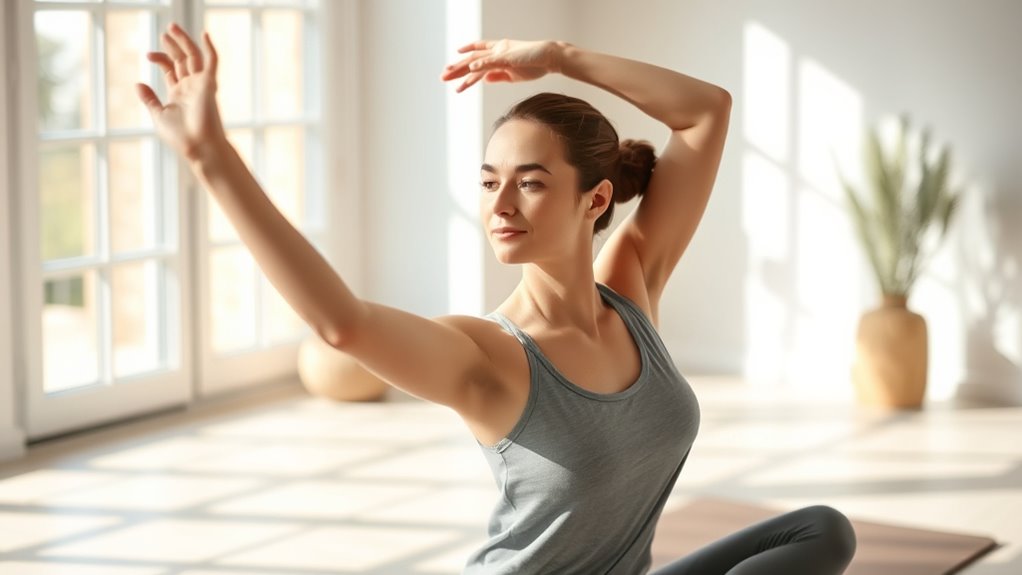
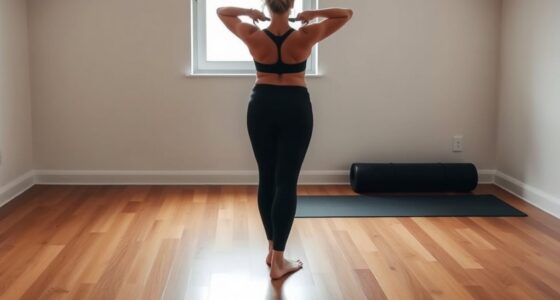
Before diving into your workout, it’s important to warm up your muscles to prevent injury and boost performance. Start with some joint friendly yoga poses to gently loosen up your joints and increase flexibility. Incorporate seated mobility drills to enhance your range of motion without putting stress on your joints. For example, seated spinal twists or gentle leg swings can prepare your hips, spine, and shoulders. These movements activate your muscles and improve circulation, making your workout safer and more effective. Keep the pace light and controlled, focusing on smooth, deliberate motions. Warming up properly with joint friendly yoga and seated mobility drills helps you move comfortably through your low-impact exercises, reducing the risk of strain and setting a solid foundation for your workout.
As an affiliate, we earn on qualifying purchases.
Gentle Cardio Exercises for Boosting Heart Health
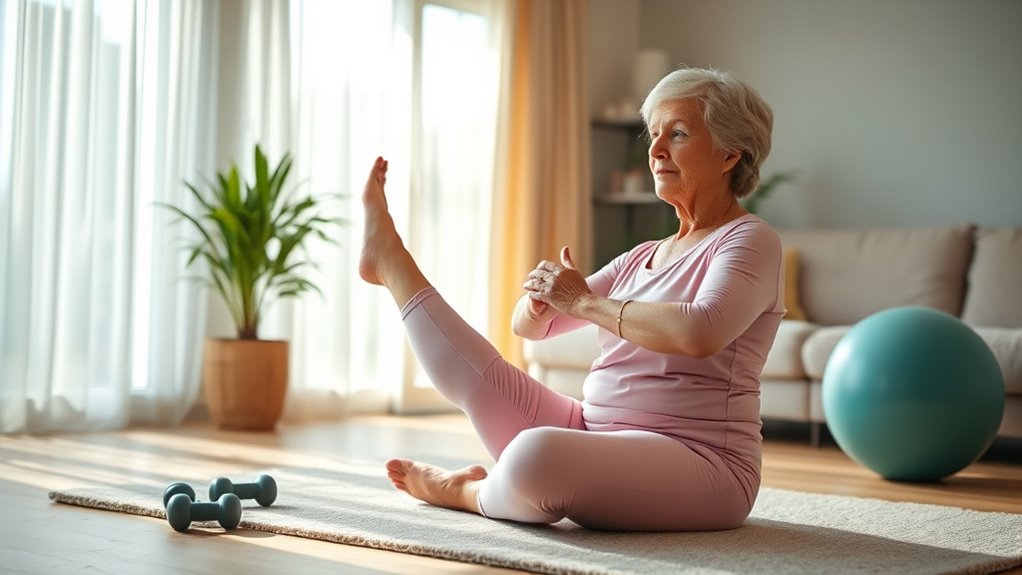
Incorporating gentle cardio exercises into your routine can effectively boost your heart health without putting excessive strain on your joints. These exercises keep your heart active while minimizing impact. For example, you can try:
- Jump rope at a slow, steady pace to elevate your heart rate without overloading your joints.
- Stair climbing, using a staircase or step bench, provides a gentle way to increase cardiovascular endurance.
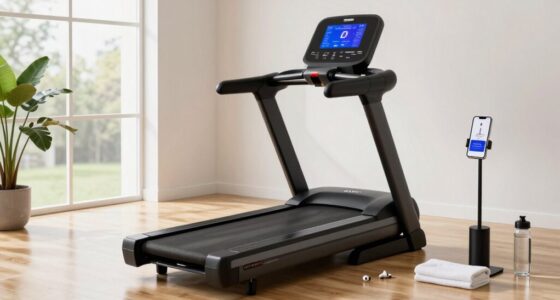
- Marching in place or walking briskly around your home also boosts circulation and keeps your heart engaged.
- Choosing low-impact activities tailored to your fitness level can help you stay consistent and injury-free. Additionally, using outdoor‑kitchen essentials like sturdy tables or safe surfaces for support can enhance your exercise routine, making it more comfortable and enjoyable. Incorporating joint-friendly movement strategies can further reduce discomfort and improve your overall activity experience.
Remember to start slowly and listen to your body. Consistency is key, and these low-impact activities can help improve your heart health safely and comfortably.
seated mobility drills for joints
As an affiliate, we earn on qualifying purchases.
As an affiliate, we earn on qualifying purchases.
Low-Impact Strengthening Techniques
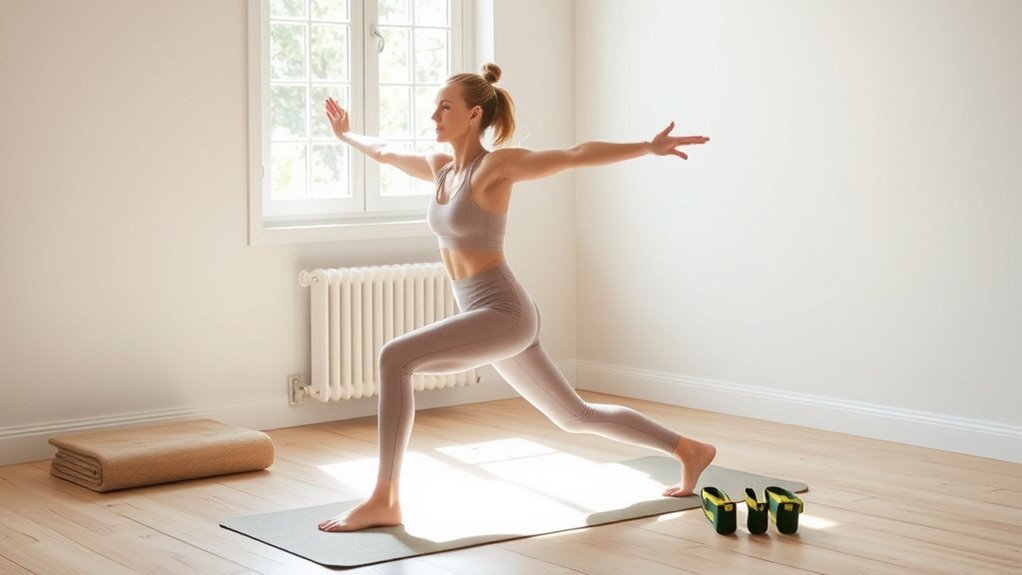
Low-impact strengthening techniques allow you to build muscle safely without putting stress on your joints. Using resistance bands is an effective way to add resistance without heavy weights, helping you target muscles gently yet effectively. You can perform exercises like band pulls, leg presses, and shoulder presses, all while protecting your joints. Bodyweight exercises are also excellent; simple moves like wall pushes, seated squats, and modified planks strengthen muscles without strain. Focus on slow, controlled movements to maximize engagement and reduce injury risk. These methods help improve muscle tone and stability, which supports joint health. Incorporating resistance bands and bodyweight exercises into your routine makes strengthening accessible, safe, and sustainable, especially if you’re managing joint sensitivity or recovering from injury.
As an affiliate, we earn on qualifying purchases.
Stretching and Flexibility Routines
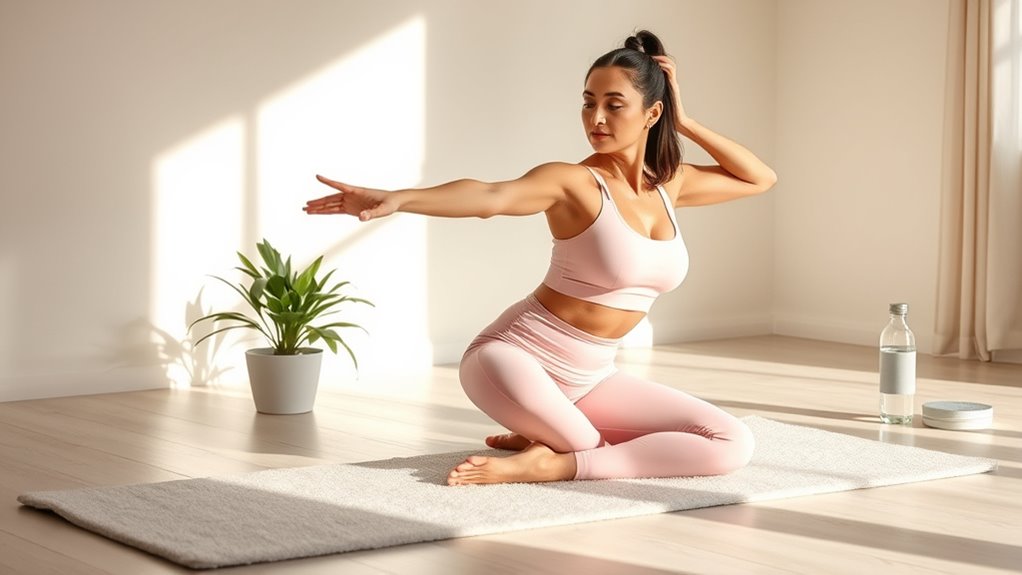
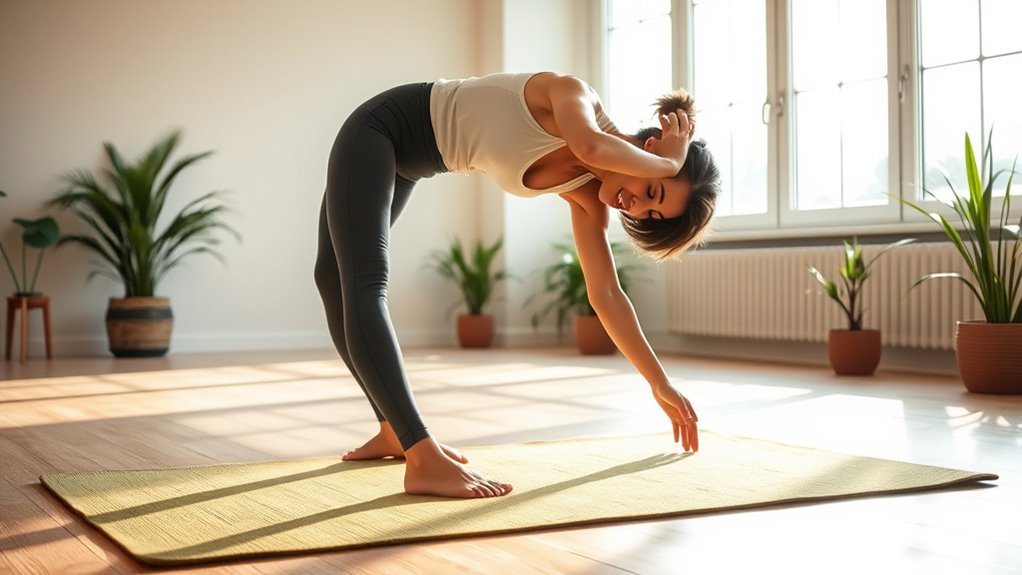
Stretching and flexibility routines are essential for maintaining joint mobility and preventing injuries during your workouts. Incorporate dynamic stretches, like leg swings or arm circles, before exercising to warm up muscles and improve range of motion. Foam rolling helps release muscle tension and enhances flexibility, making your muscles more responsive and less prone to strain. To maximize your routine, focus on:
- Performing dynamic stretches gently and gradually increasing intensity.
- Using foam rolling regularly to target tight or sore areas.
- Combining these techniques with static stretching after your workout for ideal flexibility.
- Incorporating energy-efficient cloud solutions to support sustainable practices in your fitness journey.
Balance and Stability Exercises
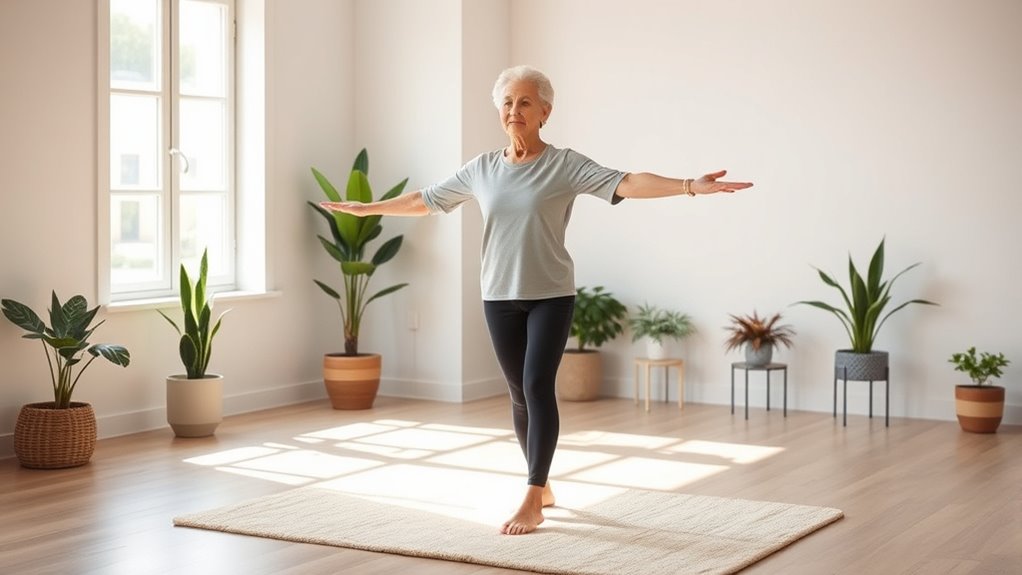
Ever wondered how to improve your balance and prevent falls during daily activities? Balance and stability exercises focus on strengthening your core engagement and enhancing proprioception training. By practicing gentle movements like standing on one leg or heel-to-toe walks, you activate muscles that support your posture. These exercises help sharpen your body’s awareness of position and movement, reducing the risk of falls. Incorporate simple routines into your daily schedule, such as balancing on a cushion or slow leg lifts, to gradually boost stability. Remember, consistent practice is key. With regular practice, you’ll develop better control and confidence in your movements, making everyday tasks safer and easier. Engaging in functional movements can further enhance your ability to maintain balance during real-life activities. Additionally, understanding the importance of diversification in your overall fitness routine can help prevent overuse injuries and ensure balanced muscle development. Incorporating varied exercises that target different muscle groups enhances overall stability and resilience. To maximize benefits, consider progressive challenges that gradually increase difficulty as your strength improves. Balance and stability training is a gentle yet effective way to support your overall mobility.
Cool-Down and Relaxation Strategies
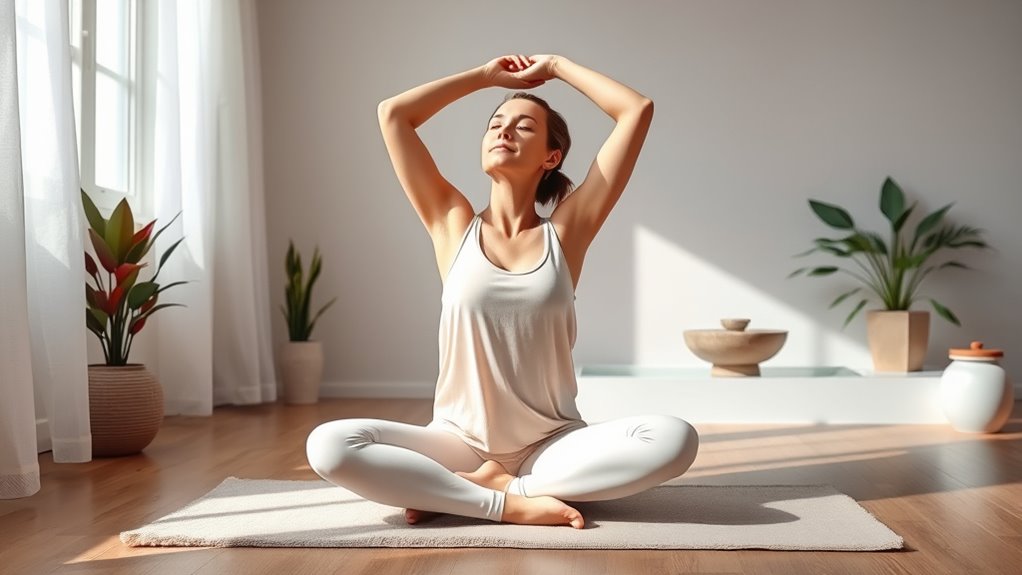
After your workout, take a few moments to incorporate gentle stretching techniques to relax your muscles. Breathe deeply to help calm your mind and reduce tension. Using relaxation positions, like lying flat or sitting comfortably, can enhance your overall sense of calm and recovery. Incorporating deep breathing techniques can further support your relaxation process, especially when combined with modern relaxation strategies that utilize technology for guided sessions. Exploring trusted local resources can also help you find professional guidance and tools tailored to your relaxation needs. Embracing evidence-based insights into relaxation can help you develop sustainable habits for long-term stress relief, including selecting appropriate home tools to assist with your recovery routines.
Gentle Stretching Techniques
Have you ever wondered how to effectively wind down after a low-impact workout? Gentle stretching techniques help relax your muscles and prevent stiffness. Incorporate simple moves like resistance band exercises to stretch your arms and legs softly. Chair yoga routines are excellent for seated stretches that release tension without strain. To maximize relaxation:
- Focus on slow, controlled movements to avoid overextending your joints.
- Hold each stretch for at least 15 seconds to improve flexibility.
- Breathe deeply to enhance relaxation and oxygen flow.
- Integrate natural pools into your cooling routine to create a calming environment that supports your recovery. Utilizing water chemistry principles can also help maintain a comfortable and soothing environment during your cooldown. Paying attention to joint-friendly techniques ensures your recovery remains safe and effective. Incorporating gentle water exercises can further enhance your post-workout relaxation and aid in joint recovery. These gentle techniques help your body recover and prepare for daily activities. They’re easy to do at home and can be tailored to your comfort level. Consistent stretching promotes joint health and keeps you feeling limber.
Deep Breathing Exercises
Deep breathing exercises are a simple yet effective way to enhance your cool-down and promote relaxation after a low-impact workout. Focus on diaphragmatic breathing and mindful inhalation to calm your nervous system and release tension. To do this, sit or lie comfortably, place one hand on your belly, and breathe deeply through your nose. As you inhale, feel your belly rise; exhale slowly, feeling it fall. This practice helps improve oxygen flow and reduces stress. Use the following table to guide your breathing practice:
| Step | Action | Focus Point |
|---|---|---|
| 1 | Find a comfortable position | Relax your shoulders |
| 2 | Inhale deeply through nose | Diaphragmatic movement |
| 3 | Exhale slowly through mouth | Mindful inhalation |
| 4 | Repeat for several minutes | Maintain gentle rhythm |
| 5 | Finish with relaxed breathing | Feel your calmness |
Engaging in mindful breathing techniques can also support your overall mental well-being.
Relaxation Position Tips
Choosing the right relaxation position can markedly enhance your cool-down and help your body shift smoothly from exercise to rest. Proper relaxation postures encourage mindful breathing, reducing tension and promoting relaxation. To maximize benefits, try these strategies:
- Sit comfortably with your back straight and feet flat on the floor, allowing your shoulders to relax.
- Use gentle neck stretches, keeping your head aligned and avoiding strain.
- Lie on your back with knees bent, arms resting at your sides, fostering deep, mindful breathing.
- Incorporate contrast ratios into your relaxation routine by adjusting lighting to create a calming environment that supports relaxation.
Focus on relaxing each muscle group and maintaining steady, calm breaths. These positions help your heart rate slow gradually and your mind transition smoothly into a state of calm. Consistently practicing these relaxation postures promotes joint safety and mental clarity.
Frequently Asked Questions
Can Low-Impact Workouts Help With Weight Loss Effectively?
Yes, low-impact workouts can help with weight loss effectively. They boost calorie burning while being gentle on your joints, making it easier to stay consistent. These exercises also promote muscle toning, which increases your resting metabolic rate. By combining regular low-impact routines with a balanced diet, you’ll find it easier to shed pounds and maintain a healthy weight without risking joint pain or injury.
How Often Should I Perform These Exercises Weekly?
You should aim for at least 3 to 5 low-impact workouts each week to see real benefits. This exercise frequency fits into an ideal workout schedule, giving your joints a gentle yet effective boost without overdoing it. Consistency is key, so listen to your body and adjust as needed. By sticking to this routine, you’ll gradually improve your fitness while keeping your joints happy and healthy.
Are There Any Specific Injuries These Exercises Are Unsuitable For?
You should be cautious if you have joint stress or are prone to injury risk, as some low-impact exercises might exacerbate these issues. Avoid movements that cause pain or discomfort, especially in sensitive joints like knees or hips. Always listen to your body and consult a healthcare professional before starting new routines. Modifying exercises can help reduce injury risk and minimize joint stress, ensuring safe, effective workouts tailored to your needs.
Can Beginners Safely Start With Low-Impact Routines?
Absolutely, you can start with low-impact routines—think of them as the gentle first brushstrokes of a masterpiece. These joint-friendly options are perfect for beginners, offering safe ways to build strength and confidence. By choosing exercises designed for beginner safety, you minimize injury risk while easing into regular activity. So, don’t wait—embrace these gentle workouts and enjoy the journey to better health and mobility!
Do These Exercises Require Any Special Equipment or Space?
No, these exercises don’t require much; you only need minimal equipment like a chair or resistance bands, and a small space to move comfortably. You can do many routines in a compact area without sacrificing effectiveness. Just clear some room, grab the essential gear, and you’re ready to start your low-impact workout. It’s perfect for staying active at home without needing a dedicated gym or large space.
Conclusion
By embracing these low-impact exercises, you’ll transform your home into a powerhouse of gentle strength and energy. Your joints will thank you, and your body will feel like it’s been reinvigorated by a wave of youthfulness. Stick with these routines consistently, and you’ll open a level of energy that can rival the sun itself! Remember, every small step you take today sets the foundation for a healthier, happier tomorrow.
Fall Picks
fall essentials
As an affiliate, we earn on qualifying purchases.