
TL;DR

Get workout gear delivered free with Prime
- Fast, free delivery on millions of items
- Prime Video, Amazon Music and more included
- Member-only deals all year
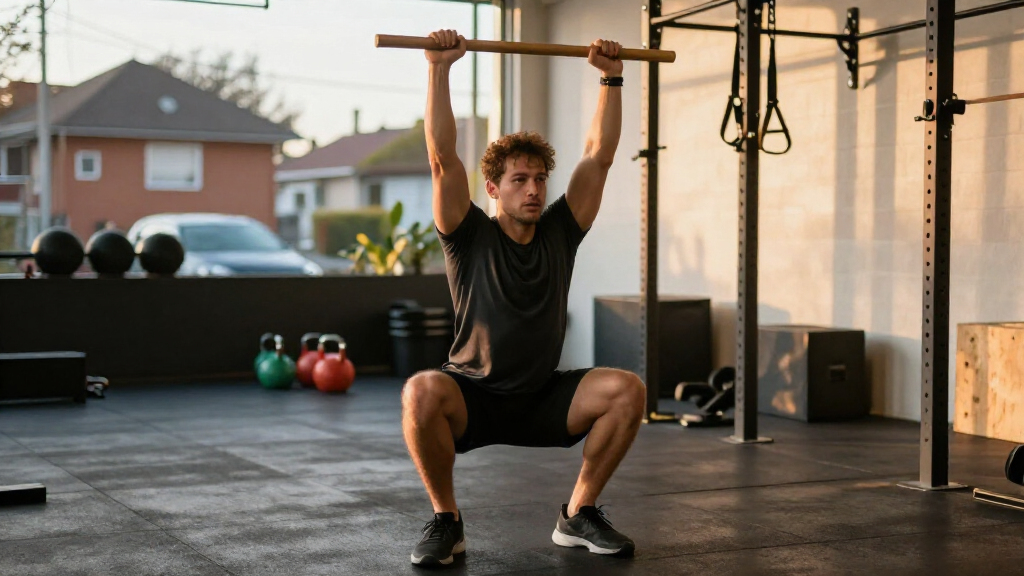
Certified personal trainer Francesco Zen told Fit&Well that shifting weight toward the outer edges of the feet and pushing the knees outward helped him engage his glutes during the overhead squat. The advanced movement also calls for mobility, core strength and stability, and the report recommends building up with bodyweight and a dowel or pipe before trying a barbell.
Zen told Fit&Well that the overhead squat relies on coordinated work across the body, with the **glutes supporting the movement** from the descent through the return to standing. He said the tip that made a difference for his own technique was to direct pressure toward the outer parts of the feet and keep the knees moving outward as he squats. Zen described it as a small adjustment to the usual position that can change how the movement feels.
The report stresses that the cue is not a substitute for practice. Zen said developing the **mobility and stability** needed for an overhead position takes regular work. Before adding load, the article advises practicing the squat with bodyweight and arms raised, then using a **gym dowel, plastic pipe or broom** to rehearse shoulder and spine alignment. The source recommends an exercise professional or spotter for people attempting the more advanced barbell version.
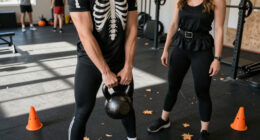
As an intermediate step, Zen suggests a **Frankenstein squat**, with the arms held straight out at shoulder height and a dowel or bar balanced across the front of the shoulders. He said this position is easier to stabilize than holding a weight overhead while still challenging the core, glutes and mobility foundations used in the full squat. The report’s directions call for an upright back, knees tracking outward over the toes, and steady arms during both the descent and rise.
A Cue for Better Squat Control
The advice offers readers a practical technique cue for a demanding movement, but the report presents it as **one trainer’s experience**, not a guarantee that the same adjustment will work for everyone. Keeping the knees aligned over the feet and maintaining balance are central elements of the described squat; the outer-foot pressure and outward knee cue are Zen’s method for encouraging **glute engagement and control**.
The progression matters because an overhead squat places the arms and a bar or other implement above the body while the legs lower into a squat. Practicing first without weight, then with a light dowel, lets a person rehearse the position without immediately taking on a barbell. That makes the advice relevant both to people learning the movement and to those who want to improve **squat mechanics** without necessarily lifting overhead.
It is not a claim that overhead squats are necessary for general fitness, or that the cue prevents injury. The article’s practical takeaway is narrower: build the movement gradually, work on the required range of motion and stability, and avoid loading a position that cannot yet be controlled.
wooden gym dowel for mobility and squat practice
As an affiliate, we earn on qualifying purchases.
As an affiliate, we earn on qualifying purchases.
Building Up to the Overhead Position
The overhead squat is an advanced variation in which a person holds a pipe or barbell overhead while squatting. Fit&Well’s report says beginners should first master the position with an **exercise stick or plastic pipe**, rather than starting with a barbell. It identifies mobility in the ankles, hips, spine and shoulders as relevant preparation for reaching and maintaining the overhead position.
The source outlines a staged approach: try a bodyweight squat with the arms raised, use wall-based squat-and-reach exercises to work on shoulder and spinal mobility, and then practice with a dowel or pipe. Zen’s suggested **Frankenstein squat** is another stepping stone, with the arms extended forward instead of overhead. The supplied report does not give a publication date or cite a study comparing these progressions; its guidance is attributed to Zen and Fit&Well’s exercise instructions.
““The glutes support the whole movement, top to bottom.””
— Francesco Zen, speaking to Fit&Well
PVC exercise dowel rod for overhead squat training
As an affiliate, we earn on qualifying purchases.
As an affiliate, we earn on qualifying purchases.
Limits of the Training Advice
The source describes Zen’s personal technique experience and training recommendations; it does not establish that the cue will improve form for every lifter. It also provides no study, measurements or comparison showing how much the adjustment changes muscle activation or performance. **Individual mobility and technique vary**, and the report does not specify how to assess whether a reader is ready to progress to a weighted version.
The supplied material does not include the report’s publication date, nor does it provide details about Zen’s training history or testing behind the cue. The advice should therefore be understood as an attributed coaching tip, not a clinical assessment or an evidence-based guarantee of results. Readers with pain, injury concerns or limitations affecting movement may need guidance from a qualified professional before attempting the exercise.
women's or men's Olympic weightlifting shoes for squat stability
As an affiliate, we earn on qualifying purchases.
As an affiliate, we earn on qualifying purchases.
Progress Through Unloaded Practice
The next step described in the report is a gradual progression: rehearse the squat with bodyweight and arms raised, practice alignment with a dowel or pipe, and use the forward-arm Frankenstein squat to develop control. Only when the position can be performed steadily should a person consider moving to a **barbell overhead squat**. Fit&Well recommends working with an exercise professional or spotter where possible for that advanced variation.
No follow-up test, training schedule or additional update is announced in the supplied source. Zen’s central instruction remains to practice regularly and focus on stability, mobility and controlled movement rather than rushing to add load.
overhead squat mobility training equipment
As an affiliate, we earn on qualifying purchases.
As an affiliate, we earn on qualifying purchases.
Key Questions
What squat tip did Francesco Zen say helped his overhead squat?
Zen told Fit&Well to shift weight toward the **outer parts of the feet** and push the **knees outward** as he lowered into the squat. He said engaging the glutes helped improve his technique.
Should beginners start overhead squats with a barbell?
No. The report recommends learning the movement first with **bodyweight**, then with a dowel, plastic pipe or similar light implement. It describes the overhead squat as advanced and suggests professional guidance or a spotter for the barbell version.
What is a Frankenstein squat?
It is a squat variation performed with the arms extended forward at shoulder height, rather than overhead. Zen recommends it as an easier position to stabilize while practicing some of the same **core, glute and mobility foundations**.
What mobility does the report say is needed for an overhead squat?
The report identifies mobility in the **ankles, hips, spine and shoulders**. It suggests bodyweight practice with raised arms and wall-based squat-and-reach drills as preparation.
Does the foot-and-knee cue work for everyone?
The source shares **Zen’s personal experience and coaching advice**; it does not show that the cue works the same way for all people or provide research measuring its effects. Technique and readiness can vary, so people with pain or movement limitations should seek qualified guidance.
Source: rss
Halloween Picks
halloween
As an affiliate, we earn on qualifying purchases.