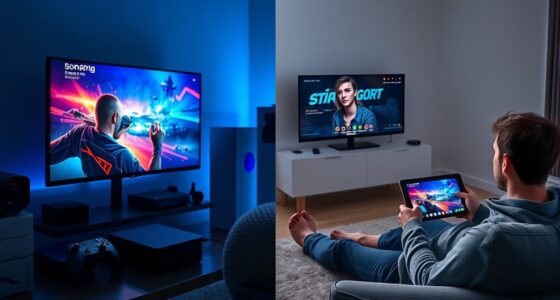
VR is quickly becoming a cornerstone of gaming’s future, offering immersive experiences that fully transport you into digital worlds. While some see it as a passing fad, advancements in technology and increased accessibility suggest it’s here to stay. Many believe VR will revolutionize how you interact with games, stories, and other entertainment. Want to discover how VR could change your gaming experience and what challenges lie ahead? Keep exploring to find out more.
Key Takeaways
- VR offers immersive, realistic gameplay experiences that could revolutionize entertainment and attract long-term user engagement.
- Technological advancements, like European cloud support, are improving VR performance and accessibility, encouraging broader adoption.
- Concerns over gaming addiction and high costs pose challenges to sustained VR integration into mainstream gaming.
- VR’s potential to transform storytelling and interaction suggests it may become a dominant platform rather than a passing trend.
- Addressing accessibility and healthy usage features will be crucial for VR’s sustained success in the gaming industry.
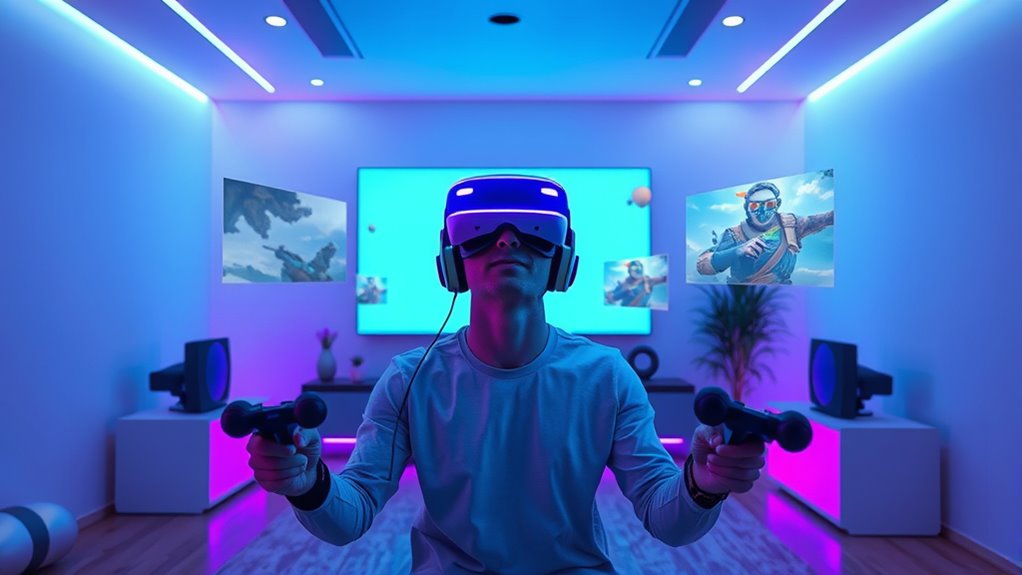
Virtual reality has quickly become a hot topic in the gaming world, sparking debates about whether it’s the future or just a passing fad. As you explore this technology, you’ll notice how it blurs the line between digital and physical worlds, offering immersive experiences that were once only imagined. But along with its promise of revolutionary gameplay, VR also raises concerns about augmented reality and gaming addiction. These issues challenge whether VR truly enhances entertainment or if it’s just another trend with potential downsides.
Augmented reality, which overlays digital elements onto the real world, is often compared to VR in discussions about immersive gaming. While VR transports you into a fully virtual environment, augmented reality adds layers of digital content to your real surroundings, creating a hybrid experience. Both technologies aim to deepen engagement but do so in different ways. If you’re considering adopting VR, it’s worth understanding how augmented reality might complement or even compete with it. AR offers portability and real-world interaction, making it accessible on smartphones or lightweight devices, whereas VR usually requires bulky headsets and dedicated spaces. This difference influences how you’ll integrate these technologies into your gaming habits and daily life.
However, as immersive as VR can be, it also opens the door to heightened gaming addiction risks. With the intense realism and sensory engagement VR provides, you might find yourself losing track of time or prioritizing virtual worlds over real-world responsibilities. The line between entertainment and obsession can become blurry, especially if you’re not cautious. Developers are starting to implement features that encourage healthy usage, but the appeal of escaping into another universe can be strong, leading to excessive gaming sessions. It’s essential to set boundaries and remain aware of how much time you spend in virtual environments to prevent falling into patterns of gaming addiction.
Despite these challenges, many believe VR’s potential to revolutionize entertainment is undeniable. It offers a level of immersion that traditional gaming can’t match, making stories more compelling and interactions more realistic. Still, whether VR becomes the dominant form of gaming or fades away as a niche experience depends on how well developers address issues like accessibility, addiction, and the balance between virtual and real life. For now, you can enjoy VR as an exciting innovation, but staying mindful of its pitfalls will help ensure it remains a tool for entertainment, not a source of harm. The future of gaming with VR is uncertain, but one thing’s clear: it’s transforming how you interact with digital worlds, whether as a passing trend or the next big leap forward. Additionally, advancements in European cloud servers are supporting the development of more sustainable and secure VR platforms, ensuring better performance and data protection for users.
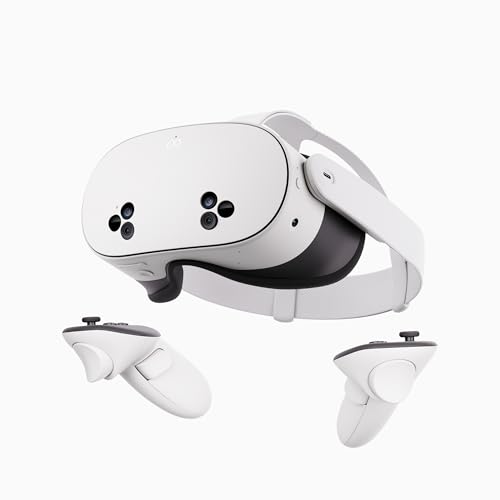
Meta Quest 3S 128GB | VR Headset — Thirty-Three Percent More Memory — 2X Graphical Processing Power — Virtual Reality Without Wires — Access to 40+ Games with a 3-Month Trial of Meta Horizon+ Included
NO WIRES, MORE FUN — Break free from cords. Game, play, exercise and explore immersive worlds — untethered…
As an affiliate, we earn on qualifying purchases.
As an affiliate, we earn on qualifying purchases.
Frequently Asked Questions
How Affordable Is VR Gaming for the Average Consumer?
VR gaming is becoming increasingly affordable for the average consumer, though affordability barriers still exist. The cost comparison shows prices dropping for headsets and accessories, making entry easier. You can find budget-friendly options that offer good quality without breaking the bank. While some high-end setups remain pricey, many entry-level VR systems now provide immersive experiences at a reasonable cost, bringing virtual reality closer to mainstream gaming households.
What Are the Long-Term Health Effects of VR Use?
You might wonder about the long-term health effects of VR use, and while research is ongoing, VR safety concerns include eye strain, headaches, and potential motion sickness. Prolonged use could impact your vision or cause discomfort if not balanced properly. To safeguard your long-term health, take regular breaks and follow recommended guidelines. Staying mindful of VR safety helps ensure you enjoy immersive gaming without adverse effects over time.
Can VR Technology Be Integrated Into Traditional Gaming Consoles?
Imagine the days when arcades ruled; now, VR technology can seamlessly integrate into traditional gaming consoles. You’ll experience virtual immersion through compatible hardware, enhancing gameplay without needing a separate device. Modern consoles are increasingly designed for hardware compatibility, making it possible to switch between VR and standard play easily. This integration offers a versatile gaming experience, blending the best of both worlds, and keeping you engaged in new, exciting ways.
How Does VR Impact Social Interactions in Gaming Communities?
VR enhances social interactions in gaming communities by creating a virtual community where you feel more connected. It boosts social presence, making conversations and collaborations feel more real and immersive. You can share experiences more vividly, meet others in a shared virtual space, and build stronger bonds. While some may find it isolating, you’ll likely notice that VR fosters a deeper sense of connection and engagement within gaming communities.
What Are the Environmental Impacts of Producing VR Hardware?
You should know that producing VR hardware impacts the environment through resource extraction and energy use. The industry’s move toward sustainable manufacturing aims to reduce carbon footprints and waste. However, e-waste concerns persist as outdated devices pile up, polluting landfills and harming ecosystems. By supporting companies committed to eco-friendly practices, you can help lessen these impacts and promote a more sustainable future for VR technology.

XREAL One Pro AR Glasses with X1 Chip, Native 3 DoF, X-Prism Optics, Real 3D, 57°FOV 171" 120Hz FHD Display, XR Glasses for iPhone 17/16, Steam Deck, ROG, Mac, PC, Android & iOS M (IPD 57-66mm)
XREAL's Self-Developed X1 Spatial Computing Chip: Delivers Native 3DoF tracking with ultra-low 3ms M2P latency, ensuring stable visuals…
As an affiliate, we earn on qualifying purchases.
As an affiliate, we earn on qualifying purchases.
Conclusion
So, is VR truly the future of gaming or just a passing trend? While skeptics doubt its longevity, recent advancements suggest VR’s immersive experience is here to stay. History shows tech fads often fade, but genuine innovation endures. If developers keep refining the technology and it becomes more affordable, VR can revolutionize gaming. So, don’t dismiss it just yet—VR might just be the next big leap in how you play and experience games.

PlayStation Move Motion Controllers – Two Pack
Advanced motion sensing and light tracking technology
As an affiliate, we earn on qualifying purchases.
As an affiliate, we earn on qualifying purchases.
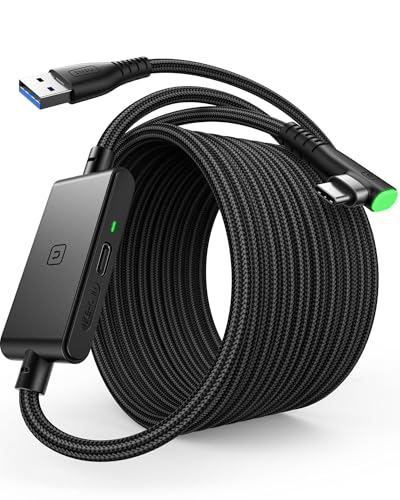
INIU VR Link Cable with Separate Charging Port, 16FT High Speed Data Transfer & Charging Cable, USB to USB C Charger Cord for Virtual Reality Headset, Meta Oculus Quest 3s 3 2 Pro, Pico 4 Steam PC VR
[Designed for Oculus Quest 3/2/Pro] Our 2023 version features a separate USB-C charging port, enabling rapid 3A power…
As an affiliate, we earn on qualifying purchases.
As an affiliate, we earn on qualifying purchases.