
Edge computing processes data near the source, delivering real-time insights and reducing latency, making it ideal for IoT devices and urgent applications. Cloud computing centralizes data in remote data centers, offering scalability and cost-effective storage for large data analysis. Combining both creates a hybrid approach that balances immediate response needs with deep analytics. Understanding these differences helps you choose the right setup for your operations—exploring further reveals how this shift impacts your tech future.
Key Takeaways
- Edge computing processes data locally for real-time decisions, reducing latency and network load.
- Cloud computing centralizes data in remote data centers, offering scalability and extensive storage.
- Edge enhances data sovereignty by keeping sensitive information within local environments.
- Cloud excels in large-scale data analysis, collaboration, and cost-effective storage solutions.
- A hybrid approach combines both, optimizing real-time responsiveness and deep data processing.
As technology advances, understanding the differences between edge computing and cloud computing becomes essential for optimizing your digital infrastructure. Both approaches have distinct advantages, especially when it comes to IoT integration and data sovereignty. Edge computing pushes data processing closer to where data is generated, such as sensors or devices, reducing latency and enabling real-time decision-making. This setup is particularly beneficial in IoT scenarios, where swift responses are critical — think autonomous vehicles or real-time industrial monitoring. By processing data locally, you reduce the load on your central servers and network bandwidth, which is vital when dealing with large volumes of IoT data. Plus, edge computing helps address data sovereignty concerns because sensitive information remains within local environments, giving you more control over where your data resides and how it’s handled.
Edge computing processes data locally for faster responses and better data control, ideal for IoT and real-time decisions.
Furthermore, the use of European cloud infrastructure supports compliance with regional regulations, ensuring your data stays within jurisdictions aligned with your data governance policies.
In contrast, cloud computing centralizes data processing and storage in remote data centers managed by third-party providers. It offers scalability, cost efficiency, and ease of access, making it ideal for applications that require extensive data analysis, backup, or collaboration across multiple locations. When integrating IoT devices with cloud systems, you can aggregate data from diverse sources, analyze it with advanced tools, and generate insights at scale. However, this approach introduces considerations around data sovereignty, as your data may cross multiple jurisdictions, raising compliance and privacy issues. You might worry about where your data is stored, who has access to it, and how securely it’s protected, especially if sensitive information is involved.
Choosing between edge and cloud computing depends heavily on your specific needs. If your priority is real-time processing, low latency, and maintaining control over sensitive data, edge computing offers clear advantages. It allows you to keep critical data close to its source, which is especially important when dealing with IoT integration that demands immediate responses. On the other hand, if your focus is on large-scale data analysis, remote collaboration, or cost-effective storage, cloud computing might be more suitable. You can even combine the two — leveraging edge devices for immediate processing and cloud services for deeper analysis and long-term storage. This hybrid approach maximizes the strengths of both, providing flexibility and resilience in your digital infrastructure.
Ultimately, understanding these differences enables you to design a system that aligns with your operational needs, compliance requirements, and future growth plans. Whether prioritizing IoT integration, data sovereignty, or scalability, recognizing when and how to use edge versus cloud computing will position you for technological success.

Deep Learning on Edge Computing Devices: Design Challenges of Algorithm and Architecture
As an affiliate, we earn on qualifying purchases.
As an affiliate, we earn on qualifying purchases.
Frequently Asked Questions
How Does Security Differ Between Edge and Cloud Computing?
You’ll find that security differs between edge and cloud computing mainly in data privacy and threat detection. With edge computing, data stays closer to its source, reducing privacy risks and enabling faster threat detection locally. Cloud computing centralizes data, offering robust security measures but increasing vulnerability if breaches occur. You need to balance these aspects to guarantee your data remains protected and threats are swiftly identified across both environments.
What Are the Cost Implications of Adopting Edge Versus Cloud Solutions?
You’ll find that adopting edge solutions often involves higher upfront costs due to equipment and deployment, but it can reduce ongoing data transfer expenses. Cloud computing typically offers lower initial investments with a pay-as-you-go model, making it attractive for scalable growth. Your cost analysis should consider long-term savings versus initial investments, and your investment strategies should weigh the benefits of reduced latency and bandwidth against hardware expenses.
How Does Latency Impact Different Industries Using These Technologies?
Latency critically impacts industries by affecting data processing speed and decision-making. In sectors like healthcare or autonomous vehicles, low latency ensures real-time responses, reducing network congestion and improving safety. Cloud computing may introduce delays due to distance, while edge computing offers faster processing closer to data sources. Consider data sovereignty, as sensitive info must stay within local jurisdictions, influencing your choice to optimize latency and compliance.
Can Edge and Cloud Computing Be Integrated Effectively?
Yes, you can integrate edge and cloud computing effectively through edge cloud synergy, creating a seamless data flow. This integration allows you to process data locally for speed and send it to the cloud for storage and analysis. However, watch out for integration challenges like data security, compatibility, and managing complex infrastructure. By addressing these issues proactively, you can optimize performance and maximize your technology investments.
What Skills Are Needed to Manage Edge and Cloud Infrastructures?
To manage edge and cloud infrastructures effectively, you need skills in IoT management and data analytics. You should understand how to deploy, monitor, and troubleshoot IoT devices at the edge while integrating data seamlessly with cloud systems. Strong knowledge of networking, security protocols, and cloud platforms helps you optimize performance. Additionally, developing expertise in data analytics enables you to extract valuable insights from the vast data generated at both levels.

PUSR Edge Computing IoT Gateway 2*RS485 1*Ethernet with SD Card for Data Storage Modbus to MQTT/Json DL645 to MQTT+Json RS485 to Ethernet USR-N720-ETH
Powerful Edge Computing Capabilities: 1000 points+data acquisition+analysis
As an affiliate, we earn on qualifying purchases.
As an affiliate, we earn on qualifying purchases.
Conclusion
So, whether you’re harnessing the lightning-fast power of edge computing or relying on the colossal strength of cloud computing, one thing’s clear: the future of technology hinges on this epic battle. This isn’t just a shift—it’s a seismic revolution that will reshape everything you know about data and connectivity. Get ready, because the next big leap isn’t just coming; it’s about to explode into a new era where your world will never be the same again!
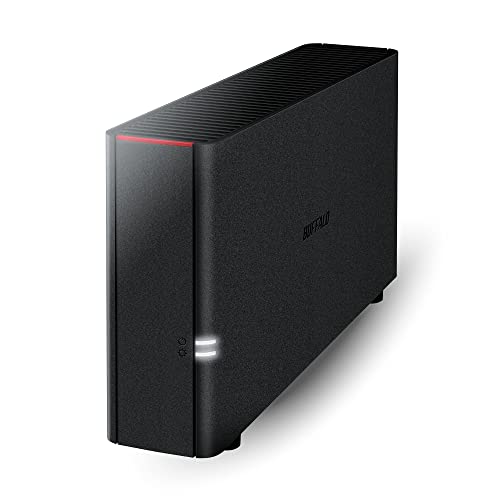
BUFFALO LinkStation 210 2TB 1-Bay NAS Network Attached Storage with HDD Hard Drives Included NAS Storage that Works as Home Cloud or Network Storage Device for Home
Value NAS with RAID for centralized storage and backup for all your devices. Check out the LS 700…
As an affiliate, we earn on qualifying purchases.
As an affiliate, we earn on qualifying purchases.

Cloud and Edge AI: Infrastructure for Distributed Autonomous Agents
As an affiliate, we earn on qualifying purchases.
As an affiliate, we earn on qualifying purchases.