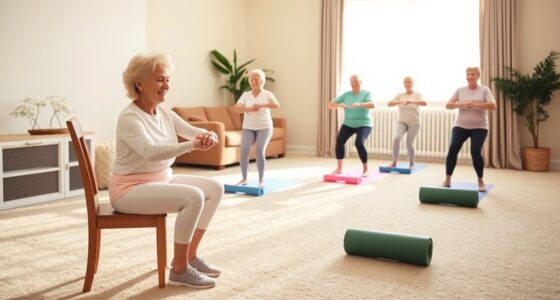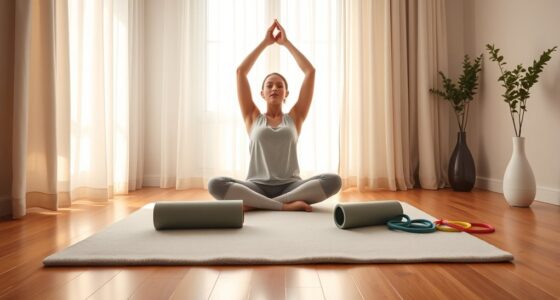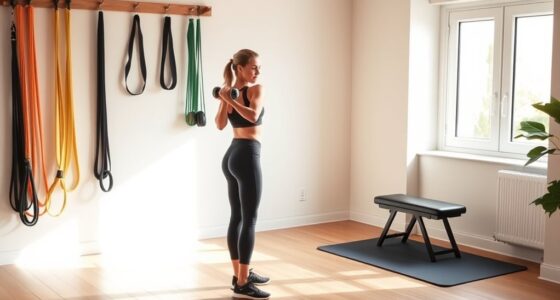

To combine mobility, strength, and cardio in one smart routine, start with a mobility-focused warm-up to prepare your joints and muscles. Then, shift into strength exercises like resistance training or bodyweight moves, and alternate with cardio activities such as running or cycling to boost your cardiovascular health. Vary your workouts regularly and include recovery strategies to stay balanced. Keep progressing and stay motivated—discovering more ways to optimize your workouts is just ahead.
Key Takeaways
- Begin with a mobility-focused warm-up to prepare joints and muscles for subsequent strength and cardio exercises.
- Alternate between strength and cardio activities to target different muscle groups and energy systems in each session.
- Incorporate variety through dynamic stretches, resistance training, and high-intensity cardio to prevent plateaus and boost motivation.
- Schedule regular recovery days with active recovery, stretching, and proper nutrition to support adaptation and avoid burnout.
- Design your routine with clear goals, balancing each element intentionally to ensure overall progress and long-term sustainability.
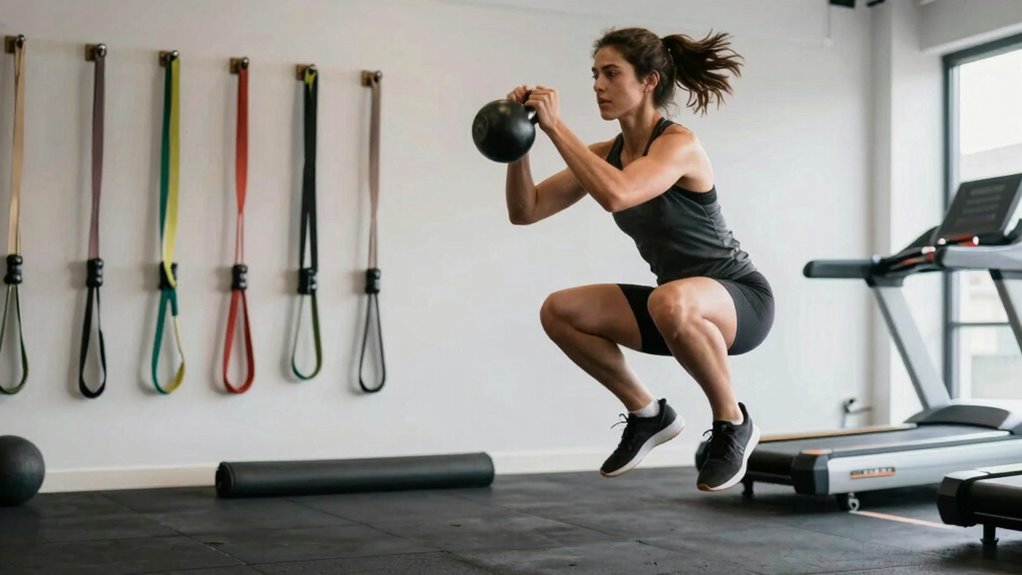
Balancing mobility, strength, and cardio is fundamental for a well-rounded fitness routine, but it can seem challenging to integrate all three effectively. The key lies in understanding how to incorporate training variations and recovery strategies that support each component without overloading your body. When designing your workout, aim for a flow that alternates between these elements, guaranteeing you target different muscle groups and energy systems throughout the week. For example, you might start with a mobility-focused warm-up to prepare your joints and muscles, then move into strength exercises that challenge your muscles with resistance, followed by cardio to boost cardiovascular health. This approach keeps your routine dynamic and prevents boredom while maximizing benefits.
A balanced routine alternates mobility, strength, and cardio for optimal gains and variety.
To seamlessly blend these elements, you need to pay attention to training variations. Switching up your exercises prevents plateaus, keeps you motivated, and targets muscles differently. Incorporate different types of mobility drills—such as dynamic stretching, foam rolling, or yoga—alongside strength movements like weightlifting, bodyweight exercises, or resistance band work. Then, add in cardio activities like running, cycling, or high-intensity interval training (HIIT). By varying your workouts, you allow your body to adapt and grow stronger, while also reducing the risk of injury. Training variations also enable you to fine-tune your program based on your progress and goals, guaranteeing each session contributes to your overall fitness. Embracing emerging trends in digital publishing can also help you stay informed about the latest training techniques and innovations.
Recovery strategies are just as essential as the workouts themselves. After intense sessions, your body needs time to repair and rebuild. Prioritize proper nutrition, hydration, and sleep to facilitate recovery. Incorporate active recovery days with light activities like walking or gentle yoga, which help reduce soreness and improve mobility without overtaxing your muscles. Using techniques such as stretching and foam rolling can also enhance blood flow and muscle elasticity, aiding in quicker recovery. Listening to your body is indispensable—if you feel persistent fatigue or soreness, consider adjusting your training intensity or taking more rest days. This balance between activity and recovery guarantees you avoid burnout and injury, keeping your routine sustainable over the long term.
Ultimately, combining mobility, strength, and cardio isn’t about cramming everything into a single workout. Instead, it’s about creating a smart, balanced plan that incorporates training variations to challenge your body in different ways, along with effective recovery strategies to support ongoing progress. When you approach your routine with intention and flexibility, you’ll find it easier to stay consistent, improve overall fitness, and enjoy the journey toward a healthier, more capable body.

WHATAFIT Resistance Bands, Exercise Bands,Resistance Bands for Working Out, Work Out Bands with Handles for Men and Women Fitness, Strength Training Home Gym Equipment
DIFFERENT COLOR ADJUSTABLE RESISTANCE BANDS: The exercise bands come with 5 different resistance level 10lbs, 20lbs, 30lbs, 40lbs…
As an affiliate, we earn on qualifying purchases.
As an affiliate, we earn on qualifying purchases.
Frequently Asked Questions
How Often Should I Alternate Between Mobility, Strength, and Cardio?
You should alternate between mobility, strength, and cardio 3 to 5 times a week, depending on your goals. Incorporate progression planning by gradually increasing intensity or duration, and include recovery strategies like rest days and stretching. This approach guarantees balanced development and prevents burnout. Listen to your body, adjust the frequency as needed, and prioritize recovery to optimize your overall fitness and avoid injury.
Can Beginners Effectively Combine All Three in One Routine?
Yes, beginners can effectively combine mobility, strength, and cardio in one routine. Use beginner-friendly strategies like starting with low-intensity exercises and gradually increasing difficulty. Incorporate adaptation techniques such as alternating focus areas and including rest days. Keep sessions short and manageable, around 30 minutes, and listen to your body. This approach guarantees steady progress and helps prevent burnout while building a well-rounded fitness foundation.
What Equipment Is Essential for a Combined Workout?
You’ll want versatile equipment like resistance bands, dumbbells, and a jump rope to efficiently combine mobility, strength, and cardio. These tools support workout progression by allowing you to modify intensity and exercises as your fitness improves. Resistance bands improve mobility and strength, dumbbells boost strength and cardio, and a jump rope enhances cardiovascular stamina. With this equipment, you can create a dynamic, adaptable routine that evolves with your fitness level.
How Long Should Each Session Last for Optimal Results?
You should aim for sessions lasting around 45 to 60 minutes for ideal results. This timeframe balances workout intensity and recovery strategies, preventing burnout and promoting progress. Keep in mind, quality beats quantity, so listen to your body and adjust as needed. If you’re feeling drained, it’s a sign to cut back or incorporate additional recovery days. Remember, slow and steady wins the race!
Are There Specific Exercises Best for Integrating These Components?
You should focus on exercises like dynamic stretching and functional movements to effectively integrate mobility, strength, and cardio. Dynamic stretches warm up muscles while enhancing flexibility, and functional movements mimic real-life activities, boosting strength and coordination. Incorporate exercises like walking lunges, kettlebell swings, or jump squats. These exercises challenge multiple components simultaneously, making your routine efficient and well-rounded. Always guarantee proper form to prevent injury and maximize benefits.

Ultimate Guide to HIIT: High-Intensity Interval Training
As an affiliate, we earn on qualifying purchases.
As an affiliate, we earn on qualifying purchases.
Conclusion
By blending mobility, strength, and cardio into one smart routine, you’re not just building a better body—you’re crafting a symphony of movement that keeps you agile, powerful, and energized. Think of your workout as a well-tuned orchestra where each element plays its part, creating harmony in your health. So, embrace the variety, stay committed, and watch how your fitness story unfolds—because when you master the art of balance, you’re unstoppable.
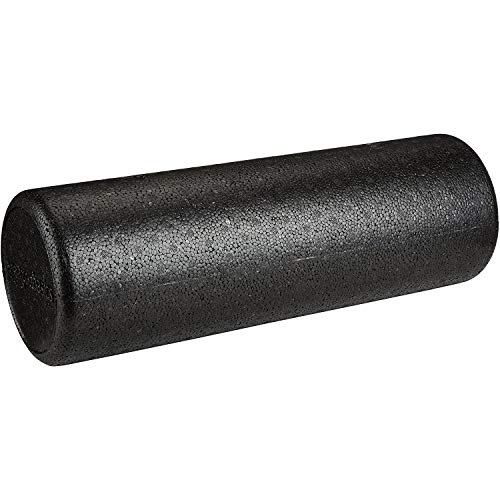
Amazon Basics High-Density Foam Roller for Exercise and Recovery, 18 Inches, Black
High-density foam roller in Black
As an affiliate, we earn on qualifying purchases.
As an affiliate, we earn on qualifying purchases.

HAPBEAR Extra Large Yoga Mat – 72"x48"x6mm (1/4 inch), Non-Slip, Durable, Eco-Friendly, Thick Wide Exercise Mat for Home Workouts, Yoga, Pilates, Stretching, Meditation (Barefoot Exercise)
𝐄𝐱𝐭𝐫𝐚-𝐋𝐚𝐫𝐠𝐞 𝐃𝐢𝐦𝐞𝐧𝐬𝐢𝐨𝐧𝐬: HAPBEAR Large workout mat offers an expansive 48×72 inches of space, which is twice the size…
As an affiliate, we earn on qualifying purchases.
As an affiliate, we earn on qualifying purchases.