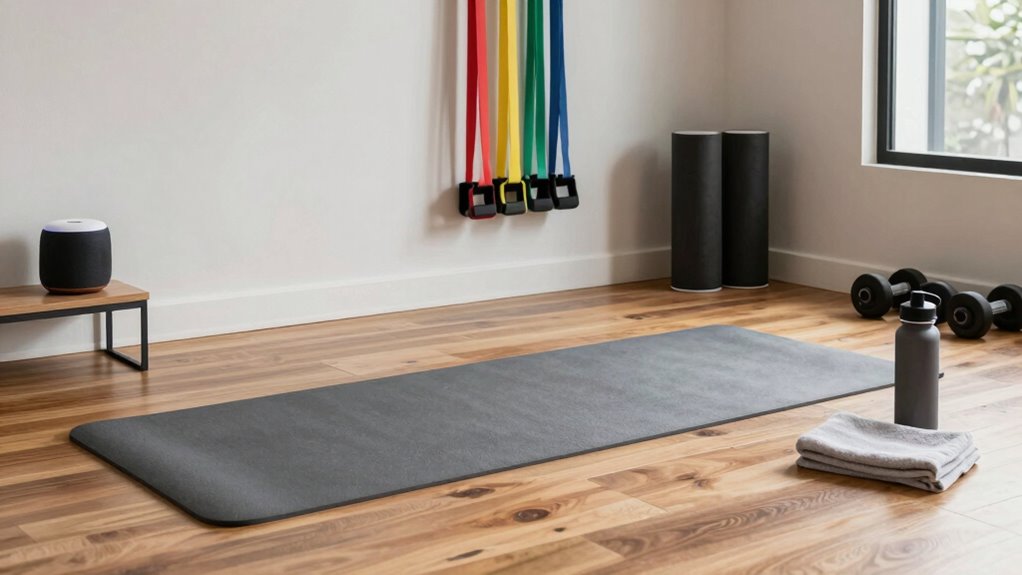

To build better at-home energy for workouts and recovery, focus on balancing your meals with complex carbs, healthy fats, and lean proteins, while staying hydrated. Prioritize quality sleep by setting consistent routines and creating a calming environment. Incorporate nutrient-dense foods and avoid processed snacks for sustained energy. Tracking your sleep habits and adjusting your diet can make a big difference. Keep exploring ways to optimize these habits for even better results.

Get workout gear delivered free with Prime
- Fast, free delivery on millions of items
- Prime Video, Amazon Music and more included
- Member-only deals all year
Key Takeaways
- Consume balanced, nutrient-dense meals with complex carbs, healthy fats, and lean proteins for sustained energy and recovery.
- Stay well-hydrated to support nutrient transport, energy levels, and toxin elimination.
- Prioritize consistent, quality sleep to repair tissues and replenish energy stores.
- Establish a regular sleep routine and environment that promotes deep, restorative sleep.
- Integrate proper timing of meals and rest to optimize workout energy and enhance recovery.

Ever wonder how you can boost your energy levels naturally at home? The key lies in adopting effective nutritional strategies and prioritizing sleep enhancement. When it comes to fueling your body for workouts and recovery, what you eat makes a significant difference. Focus on balanced meals that include complex carbs, healthy fats, and lean proteins. These nutrients provide sustained energy, preventing the crashes that come from sugary snacks or processed foods. Incorporate foods rich in vitamins and minerals, like leafy greens, berries, nuts, and whole grains, to support overall well-being and muscle recovery. Staying hydrated is equally important; water helps transport nutrients and flush out toxins, keeping your energy steady throughout the day. Additionally, exploring design/branding trends such as retro fonts or AR filters can add a motivating visual aspect to your fitness environment, inspiring consistency.
Fuel your body with balanced meals, stay hydrated, and include nutrient-rich foods for sustained energy and recovery.
Alongside nutritional strategies, sleep enhancement plays a key role in building better at-home energy. When you sleep well, your body repairs tissues, replenishes energy stores, and balances hormones that influence alertness. To improve your sleep quality, establish a consistent bedtime and wake-up time, even on weekends. Create a bedtime routine that signals to your body it’s time to wind down—dimming the lights, avoiding screens, and practicing relaxation techniques like deep breathing or meditation can help. Keep your sleeping environment cool, dark, and quiet, which promotes deeper, restorative sleep. Avoid caffeine and heavy meals close to bedtime, as they can interfere with your ability to fall asleep. Additionally, incorporating AI-powered sleep tracking devices or apps can provide personalized insights to optimize your rest patterns. Recognizing the importance of nutritional balance can also support your sleep and energy levels by ensuring your body receives all essential nutrients.
Integrating these approaches into your daily routine can make a noticeable difference in your energy levels. For example, plan your meals around your activity schedule, ensuring you’re fueled properly before workouts and nourishing your body afterward for best recovery. Prioritize sleep just as much as your training schedule, recognizing that quality rest enhances your strength, endurance, and mental clarity. If you’re feeling sluggish, evaluate your nutritional intake—are you consuming enough nutrient-dense foods? Are you staying hydrated? Then, assess your sleep habits—are you getting enough rest and following a consistent schedule? Small adjustments in these areas can lead to significant improvements in your energy and performance.
Building better at-home energy isn’t about quick fixes; it’s about creating sustainable habits. By nourishing your body with the right foods and optimizing your sleep patterns, you set a solid foundation for consistent energy levels that support your workouts and recovery. Over time, these practices will help you feel more vibrant, focused, and ready to tackle your daily activities with vitality.
Products Worth Considering

Hyperice Normatec Elite Wireless Compression Recovery Boots, Standard Size

Levoit Vital 100S-P Air Purifier for Home and Pets

Theragun Relief Massage Gun, 3-Speed, Black
As an affiliate, we earn on qualifying purchases.
Frequently Asked Questions
Can Specific Supplements Boost At-Home Workout Energy?
Yes, certain supplements can boost your at-home workout energy. Timing your supplements correctly, like taking caffeine or pre-workout formulas about 30 minutes before exercise, enhances their effectiveness. Focus on nutrient synergy by combining carbs with protein to fuel your workout and aid recovery. For sustained energy, consider adaptogens like Rhodiola or ginseng, but always listen to your body and consult a professional for personalized advice.
How Does Hydration Impact Workout Energy Levels?
Think of hydration as Pandora’s box—opening it reveals essential energy. When you stay hydrated, you maintain electrolyte balance, which fuels your muscles and prevents fatigue. Dehydration effects include decreased strength, endurance, and focus. By drinking enough water, you keep your body’s energy levels steady, ensuring your workouts are effective and recovery faster. Don’t let dehydration steal your power—hydrate well to release your full potential.
Are There Optimal Times to Exercise for Energy?
You’ll find that timing strategies play a big role in maximizing your workout energy. Aim to exercise during your energy peaks, typically late morning or early evening, when your body feels most alert and prepared. Avoid early mornings or late nights if you’re feeling sluggish. Listen to your body’s natural rhythms, and plan workouts when you’re naturally more energized for better performance and faster recovery.
What Role Does Sleep Play in At-Home Workout Energy?
Sleep plays a vital role in boosting your at-home workout energy. When you practice good sleep hygiene, you’re more likely to experience restorative sleep, which helps your muscles recover and replenishes your energy levels. Adequate rest improves focus, strength, and endurance, making your workouts more effective. Prioritize quality sleep to enhance your overall performance and recovery, ensuring you wake up refreshed and ready to tackle your fitness goals.
Can Music Influence Workout Motivation and Energy?
Music motivation can markedly boost your workout energy and keep you moving. It energizes your mind, motivates your body, and enhances your focus, making every session more effective. When you choose energetic tunes, you create an atmosphere of excitement, fueling your stamina and endurance. Music not only lifts your spirits but also sharpens your performance. So, turn up the volume, feel the rhythm, and let music drive your workout motivation and energy enhancement.
Conclusion
Think of your energy as a mighty river—when you nourish it well, it flows strong and unstoppable. By fueling your body with the right foods, staying hydrated, and prioritizing recovery, you keep your current vibrant and powerful. Remember, every small effort is like adding a drop to your river, making it swell with potential. Keep these habits steady, and you’ll find your energy soaring, turning your workouts into waves you ride with confidence and ease.