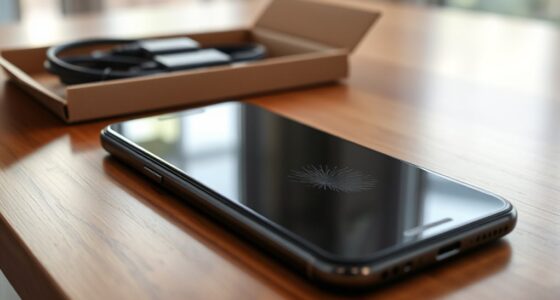
Tech gadgets depreciate quickly because new models arrive often, making older devices less desirable. Manufacturers use marketing and planned obsolescence to encourage upgrades, while rapid technological progress limits the usefulness of older gadgets. Consumer desire for the latest features and faster performance also reduce demand for secondhand devices. As a result, resale values drop sharply soon after purchase. Keep exploring to uncover more about how these factors shape gadget lifecycles and depreciation.

Get workout gear delivered free with Prime
- Fast, free delivery on millions of items
- Prime Video, Amazon Music and more included
- Member-only deals all year
Key Takeaways
- Rapid technological advancements and frequent new model releases quickly make older gadgets outdated.
- Consumer desire for the latest features accelerates upgrade cycles, reducing demand for used devices.
- Manufacturers design products with planned obsolescence, intentionally shortening device lifespans.
- Software updates and hardware limitations diminish older gadgets’ functionality over time.
- Market strategies like aggressive pricing and promotional discounts signal reduced residual value.

Gadget depreciation is an inevitable part of owning technology, as devices quickly lose value over time due to wear and technological advancements. You might notice that the moment you buy a new smartphone or laptop, its resale value begins to drop, sometimes sharply. This rapid depreciation is driven by several factors, but understanding the role of pricing strategies and consumer behavior can shed light on why gadgets seem to lose their worth so fast. Manufacturers often adopt aggressive pricing strategies, especially when launching new models, to stay competitive and attract early adopters. They might offer significant discounts on older versions or push newer models with enticing features, which in turn signals to the market that the previous devices are less desirable. As a result, the resale value of older gadgets diminishes quickly, and consumers tend to follow suit, often opting to upgrade rather than hold onto their devices for the long term.
Your buying habits influence how fast gadgets depreciate. When you, along with countless other consumers, anticipate frequent upgrades, the demand for gently used devices drops, leading to lower secondhand prices. This cycle encourages a rapid turnover, especially since many buyers prefer the latest features, better performance, and improved designs. Additionally, technological advancements happen at a breakneck pace, rendering older devices obsolete faster than before. Software updates, hardware limitations, and new app requirements make older gadgets less functional or appealing, further accelerating depreciation. Recognizing the importance of technological progress can help you better understand the rapid pace at which gadgets become outdated.
Manufacturers also design their products with planned obsolescence in mind, subtly encouraging you to replace devices sooner rather than later. They might introduce new features that are incompatible with previous hardware or phase out support for older models, making them less useful over time. This strategic approach influences consumer behavior, prompting you to upgrade sooner and, consequently, reducing the resale value of your current device. Meanwhile, the competitive landscape pushes brands to set pricing strategies that balance initial sales with residual value, but the overall impact is that gadgets tend to depreciate faster than other durable goods.
Manufacturers’ planned obsolescence and strategic pricing accelerate gadget depreciation over time.
Understanding these dynamics helps you see why your tech investments quickly lose value. The interplay between pricing strategies, consumer behavior, and rapid technological progress creates a perfect storm for swift gadget depreciation. So, while it’s tempting to focus solely on getting the latest device, recognizing why its value drops so fast can help you make smarter choices about when to buy, sell, or hold onto your tech. Being aware of these factors empowers you to better navigate the fast-paced world of gadgets and manage your expenses more effectively.
As an affiliate, we earn on qualifying purchases.
Frequently Asked Questions
How Does Software Updates Impact Gadget Depreciation?
Software updates can accelerate gadget depreciation by causing software obsolescence, making older devices less functional or secure. When update frequency increases, manufacturers often focus on newer models, leaving older ones behind, which reduces their resale value. You might notice your device feels outdated faster as it struggles to run the latest software, pushing you to upgrade sooner. Staying aware of update trends helps you understand how software impacts your gadget’s longevity and worth.
Do Brand Reputation Changes Affect Gadget Value?
Just like the Titanic’s reputation, gadget value can sink when brand reputation shifts. You’ve probably noticed that brand loyalty influences resale prices—a positive reputation boosts value, while reputation issues cause depreciation. When a company’s image suffers, gadget worth drops because buyers worry about future support or quality. So, your gadget’s value isn’t just about specs but also how you perceive the brand’s reputation in the tech world.
How Do Market Trends Influence Gadget Lifespan?
Market trends greatly influence your gadget’s lifespan, as rapid market saturation pushes manufacturers to release new models faster. You’ll notice innovation cycles accelerating, making older gadgets seem outdated quickly. This constant stream of new features and improved technology encourages consumers to upgrade sooner, shortening the useful life of your device. Staying aware of these trends helps you understand why your gadgets depreciate fast and can guide your upgrade decisions.
What Role Does Consumer Demand Play in Depreciation Rates?
Consumer demand directly impacts depreciation rates because when you eager ly seek the latest gadgets, older models lose their value faster. Your consumer behavior, like upgrading frequently, floods the resale market with used devices, driving prices down. If fewer people want older tech, depreciation accelerates. Conversely, if demand remains steady, gadgets retain value longer. So, your buying and selling habits considerably influence how quickly tech gadgets depreciate.
Can Repairability Extend a Gadget’s Resale Value?
If you prioritize repairability factors, you can considerably extend your gadget’s resale value. When devices are easier to repair, they stay functional longer and appeal to buyers seeking sustainable options. This coincidence means investing in repair-friendly gadgets not only saves you money on repairs but also boosts resale value. So, choosing repairable devices ensures your tech investment lasts and retains its worth, making it a smart, eco-conscious decision.
As an affiliate, we earn on qualifying purchases.
Conclusion
So, next time you’re tempted to hold onto that old smartphone, remember that gadgets lose about 20% of their value each year. This rapid depreciation is driven by quick tech advancements and consumer demand for the latest features. Knowing this, you can make smarter choices about when to upgrade or sell. Staying aware of gadget lifecycles helps you maximize your investments and avoid overpaying for outdated tech.
tech gadget depreciation calculator
As an affiliate, we earn on qualifying purchases.
As an affiliate, we earn on qualifying purchases.
As an affiliate, we earn on qualifying purchases.
Halloween Picks
halloween
As an affiliate, we earn on qualifying purchases.