Whether you need a VPN depends on your online habits and security concerns. A VPN can protect you on public Wi-Fi, help bypass geo-restrictions, and keep your activity private from prying eyes. But if you mostly browse on trusted networks or don’t log sensitive info, it might not be necessary. Understanding the benefits and limits can help you decide—stick around if you want to learn more about when a VPN really makes sense.

Get workout gear delivered free with Prime
- Fast, free delivery on millions of items
- Prime Video, Amazon Music and more included
- Member-only deals all year
Key Takeaways
- Use a VPN to protect your data on public Wi-Fi and prevent interception by hackers or snoopers.
- A VPN helps bypass geo-restrictions and access content unavailable in your region.
- Consider a VPN if you want to enhance online privacy and hide your IP address from trackers.
- You might not need a VPN on trusted networks or if your activities don’t involve sensitive data.
- Be cautious if the VPN provider logs your activity or operates in countries with strict surveillance laws.
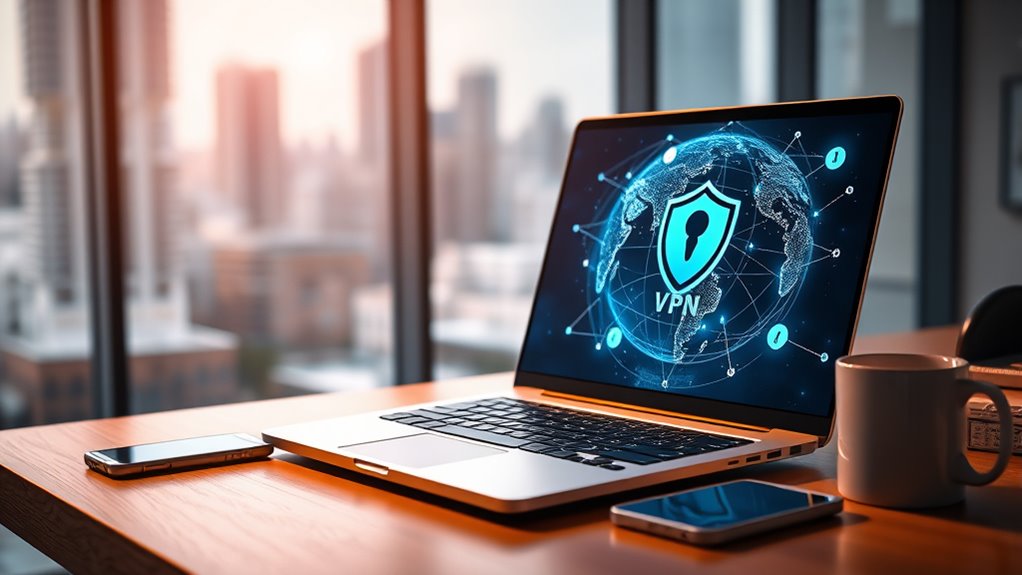
In today’s digital world, using a VPN has become a vital tool for online security and privacy. Many people think they understand how VPNs work, but there are plenty of cybersecurity myths that can lead to misconceptions. Some believe that VPNs are a one-stop solution for all security needs, but that’s not entirely true. It’s important to recognize that VPNs primarily mask your IP address and encrypt your internet traffic, which helps protect you from hackers, ISPs, and governments snooping on your activity. However, they don’t automatically make you invincible. If you’re looking for alternatives, you might consider other cybersecurity tools like secure browsers, encryption extensions, or proxy servers. These options can complement or sometimes replace a VPN, depending on your needs, but they often lack the all-encompassing features of a VPN, such as encrypting all your device’s traffic or providing a new IP address from different locations.
You might also hear that VPNs are unnecessary if you’re only browsing on secure Wi-Fi networks or using incognito mode, but that’s a myth. Cybersecurity myths often downplay the risks associated with public Wi-Fi, where your data can be intercepted easily without proper protections. A VPN adds an extra layer of security in these situations, shielding your data from potential eavesdroppers. On the other hand, some people believe VPNs are too slow or unreliable, which can be true with poorly configured services or free VPNs. But premium VPN providers often deliver fast, stable connections, making them suitable for streaming, gaming, or remote work. Another common misconception is that VPNs are only for privacy-conscious users or those trying to access geo-restricted content. While these are valid reasons, VPNs also help companies secure remote workers and protect sensitive data from cyber threats.
Nevertheless, there are two reasons you might not need a VPN. If your primary concern is simple browsing on trusted networks, or you’re cautious about trusting third-party VPN providers with your data, then a VPN might be overkill. Some VPN services log user activity or have weak security standards, which defeats their purpose. Additionally, if you’re in a country with strict internet censorship or surveillance, using a VPN could draw unwanted attention or even be illegal. In such cases, exploring VPN alternatives or other security measures might be safer and more effective. It’s also important to understand the capabilities of VPNs and their limitations to avoid a false sense of security. Ultimately, whether you need a VPN depends on your specific online habits, security requirements, and the level of privacy you desire. Just remember, understanding the real capabilities and limitations of VPNs, and dispelling cybersecurity myths, will help you make smarter choices online.
Products Worth Considering

Levoit Vital 200S-P Smart Air Purifier for Large Rooms

Therabody Theragun Relief Massage Gun, 3-Speed, Black
Withings Body Smart Wi-Fi and Bluetooth Smart Scale
As an affiliate, we earn on qualifying purchases.
Frequently Asked Questions
Can a VPN Improve My Online Gaming Experience?
Yes, a VPN can improve your online gaming experience by reducing gaming latency and ping. When you connect to a closer or less congested server, it can lead to lower ping and smoother gameplay. However, sometimes a VPN might increase latency if the server is far away or overloaded. So, it’s worth testing different servers to see if your gaming latency and ping benefit from the VPN connection.
Are Free VPNS as Secure as Paid Ones?
Sure, free VPNs seem tempting with their “free security,” but don’t be fooled. They often compromise your privacy, sell your data, or have weaker encryption. Paid VPNs, on the other hand, offer real privacy and stronger security features. So, if you value your personal info, investing in paid privacy is worth it. Free VPNs just can’t match the security and peace of mind you get with paid options.
How Does a VPN Affect My Internet Speed?
A VPN can slow your internet speed because it encrypts your data using various encryption protocols, which requires extra processing time. The impact depends on server locations; connecting to distant servers can cause more lag. However, choosing servers closer to you and using efficient protocols like WireGuard can minimize speed reductions, ensuring a smoother browsing experience while still protecting your privacy.
Can a VPN Help Protect My Smart Home Devices?
You bet a VPN can help protect your smart home devices. It shields your smart home security by encrypting data, preventing hackers from sneaking in through unsecured connections. While it doesn’t cover everything, using a VPN adds an extra layer of defense, making your devices less vulnerable. Think of it as locking the door; it’s a smart move to keep your home network safe from digital intruders.
Is Using a VPN Legal in My Country?
Using a VPN is generally legal in most countries, but you should check local laws first. Some countries have legal restrictions or government bans on VPN use, making it illegal to use one without permission. In others, VPNs are fully permitted for personal or business use. Always research your country’s regulations to avoid legal issues, and choose a reputable VPN provider that complies with local laws.
Conclusion
Considering these points, it’s clear that whether you need a VPN depends on your online habits. Did you know that over 60% of internet users are concerned about privacy? If you value security, especially on public Wi-Fi or when accessing sensitive info, a VPN can be a smart choice. But if you mainly browse securely at home, it might not be necessary. Weigh your needs carefully, and make an informed decision to protect your digital life.