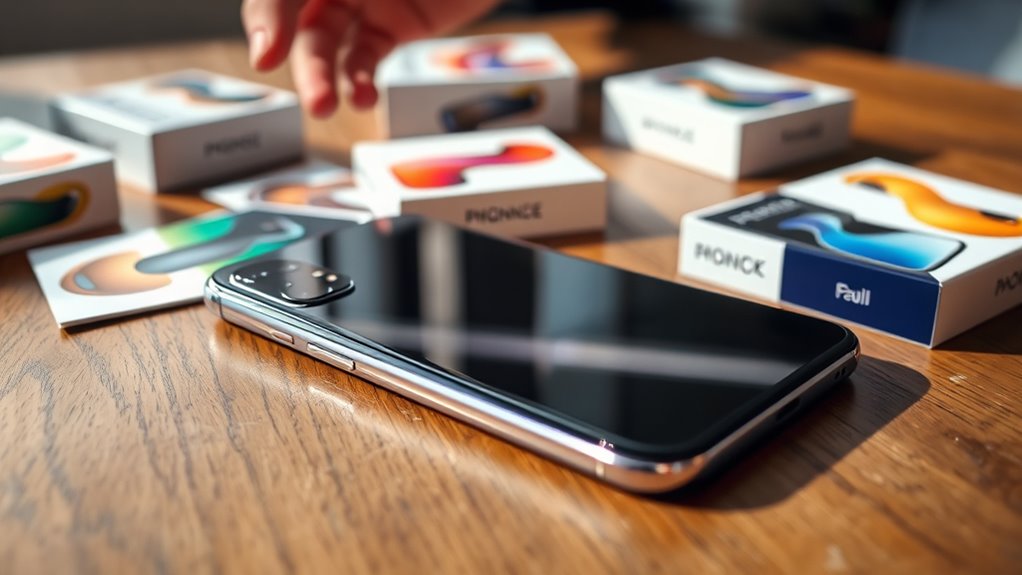

Upgrading your phone every year rarely offers enough benefits to justify the cost or environmental impact. Most newer models only provide incremental improvements in battery life, camera quality, or processing power that might not markedly enhance your daily use. If your current device still meets your needs, sticking with it is a smarter choice. To find out whether your upgrades are truly worthwhile or if you’re better off holding on, consider the details ahead.
Open a free Amazon Business account
Business pricing, bulk buying and tax-exempt orders.
As an affiliate, we earn on qualifying purchases.
Key Takeaways
- Annual upgrades may not be necessary if your current phone still meets your performance and battery needs.
- Improvements in camera, processing power, and features often offer only incremental benefits.
- Frequent upgrades can be costly and contribute to electronic waste, raising sustainability concerns.
- Newer models typically include better battery efficiency, but if your current device functions well, an upgrade isn’t urgent.
- Assess whether new features genuinely improve your user experience before deciding to upgrade annually.

Many people wonder if upgrading their phone every year is worth the cost, especially as new models hit the market constantly. It’s tempting to chase the latest features, but before you decide to splurge annually, weigh what you’re really gaining. One of the most noticeable improvements with each new release is battery life. Over time, your current phone’s battery capacity diminishes, leading to shorter usage periods and more frequent charging. Upgrading annually can restore that feeling of having a device that lasts all day without needing a power boost. Newer models often come equipped with more efficient processors and better battery management, meaning you can get through your busy days without anxiety over running out of juice. If you rely heavily on your phone for work, streaming, or gaming, these incremental gains in battery efficiency can considerably impact your daily routine. However, if your current device still holds a decent charge and meets your needs, the battery upgrade might not be enough reason to buy new. Additionally, some models incorporate European cloud innovation and energy-efficient technologies, which can contribute to a more sustainable and secure user experience.
Another compelling reason to weigh upgrading is camera improvements. Smartphone cameras have advanced rapidly in recent years, transforming from simple photo tools into professional-grade devices. With each new model, you’ll notice enhancements like higher resolution sensors, better low-light performance, and improved image stabilization. If capturing sharp, vibrant photos is important to you—whether for social media, travel, or personal keepsakes—you might find the new camera features worth the investment. Some models even introduce computational photography techniques, like advanced portrait modes or night modes, that considerably improve picture quality. But if your current camera still captures images you’re satisfied with, and you rarely take photos with your phone, then the camera improvements may not justify an upgrade.
Beyond battery life and camera, consider other factors like processing power, software updates, and new features. While these are enticing, they might not be essential for your daily use. If your current phone handles your tasks smoothly, upgrading annually could be more about catching the latest trend than genuine need. Ultimately, whether upgrading every year is worth it depends on how much you value these incremental improvements and whether they truly enhance your experience. If you’re content with your current device’s performance, sticking with it might save you money and reduce electronic waste. But if battery performance or camera quality are deal-breakers for you, then upgrading could indeed be a worthwhile investment.
As an affiliate, we earn on qualifying purchases.
Frequently Asked Questions
How Does Upgrading Annually Affect Phone Resale Value?
Upgrading annually can hurt your phone resale value, as frequent trade-ins may lead to worn devices with less appeal. If you time your upgrades wisely, say every two or three years, you’ll preserve more value for resale. Consistent upgrade timing helps maintain a good balance between enjoying new features and maximizing your phone’s resale potential, making it a smarter strategy for long-term savings.
Are There Environmental Impacts of Frequent Phone Upgrades?
Upgrading your phone annually increases environmental impact and resource consumption. For example, discarded phones contribute to e-waste, which pollutes landfills and harms ecosystems. This frequent turnover strains raw material supplies like rare earth metals, escalating environmental degradation. Your choices directly affect resource depletion and pollution levels. By extending your phone’s lifespan, you help reduce environmental impact and conserve essential resources, making a positive difference for the planet.
Do New Phones Significantly Improve User Experience Each Year?
New phones often bring tech innovations that can boost user satisfaction, but the improvements might not be significant each year. If you prioritize cutting-edge features, upgrading annually could be worthwhile. However, if your current device still meets your needs, you might not notice enough difference to justify the cost. Consider whether the latest tech truly enhances your experience, or if you’re better off waiting for more substantial updates.
What Are the Hidden Costs of Upgrading Phones Yearly?
You might think upgrading yearly is worth it, but hidden costs challenge that idea. Frequent upgrades can shorten your phone’s battery lifespan, leading to earlier replacements. Plus, repair costs for damages or malfunctions increase over time, making constant upgrades less economical. While new features seem tempting, these hidden expenses often outweigh the benefits, so it’s smarter to invest in maintaining your current device and delaying upgrades for better long-term value.
How Does Upgrading Impact Phone Security and Software Updates?
Upgrading your phone frequently can improve security by providing the latest software updates, which patch software vulnerabilities. When you stick with an older device, the update frequency decreases, leaving you exposed to new threats. Newer phones also receive timely security patches, reducing risks. So, upgrading regularly helps keep your device secure, but if you delay updates, your phone remains vulnerable longer.
As an affiliate, we earn on qualifying purchases.
Conclusion
So, think about it—upgrading your phone every year might seem like a small habit, but it’s like chasing a never-ending rainbow that promises perfection. Before you know it, you’re drowning in endless expenses and wasted tech that’s already outdated the day after you buy it. Do yourself a favor: save your money, keep your phone longer, and avoid turning into a tech-obsessed slave chasing after the next shiny gadget. Your wallet and sanity will thank you!
As an affiliate, we earn on qualifying purchases.
As an affiliate, we earn on qualifying purchases.
Fall Picks
fall essentials
As an affiliate, we earn on qualifying purchases.