TL;DR

Get workout gear delivered free — and shop member deals
- Fast, free delivery on millions of items
- Access to Prime Big Deal Days deals on October 6–7
- Prime Video, Amazon Music and more included
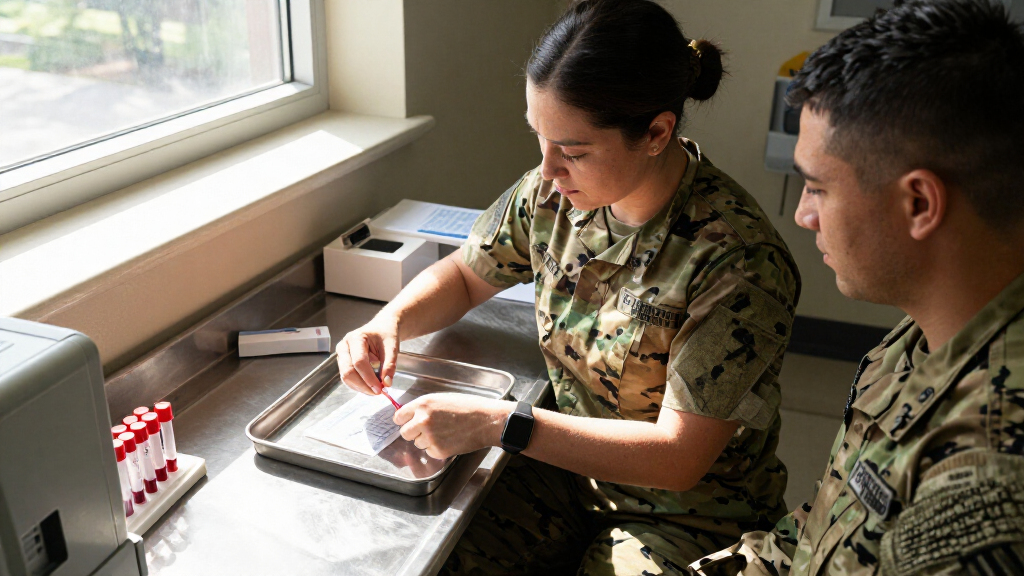
The Pentagon has mandated testosterone screening for all active military personnel, citing health oversight and readiness concerns. The policy’s implementation details and scope remain unclear as officials clarify the reasons behind the move.
The Pentagon has mandated testosterone screening for all active-duty military personnel, marking a significant shift in health assessment policies within the U.S. armed forces. This decision, confirmed by Pentagon officials, aims to improve troop readiness and address potential health concerns linked to hormone levels. The policy’s scope, implementation timeline, and underlying rationale are still being clarified.
According to a Pentagon spokesperson, the new policy requires all active-duty service members to undergo testosterone screening as part of their regular health assessments. The move comes amid increased attention to service members’ overall health and readiness, with officials citing concerns about hormonal imbalances affecting performance, mental health, and physical resilience. The policy is expected to be phased in over the coming months, with initial pilot programs already underway in select units.
While the Pentagon has not released detailed guidelines or specific thresholds for hormone levels, sources suggest the screenings will be integrated into existing medical evaluations. The initiative reportedly stems from internal health reviews and is intended to identify potential issues early, enabling targeted treatment or interventions. The policy is not yet mandatory for all service members but is expected to become standard practice across the military.
There has been no official statement linking the policy directly to any specific health crises or recent incidents, but officials emphasize the importance of proactive health monitoring for maintaining operational readiness and troop well-being.
Implications for Military Health and Readiness
This policy could significantly influence how the military manages personnel health, potentially leading to earlier detection of hormonal imbalances that may affect physical and mental performance. It reflects a broader trend toward comprehensive health screening in the armed forces, aiming to optimize troop readiness and reduce medical emergencies during deployment. However, questions remain about privacy, consent, and how the data will be used or stored, which could impact public perception and troop trust.
As an affiliate, we earn on qualifying purchases.
Rising Focus on Hormonal Health in Military Policies
Hormonal health has gained increased attention in military health circles over recent years, with some reports suggesting that hormone imbalances can impact mood, aggression, and physical endurance. Historically, the military has prioritized physical fitness and mental resilience, but systematic hormone screening has not been standard until now. The recent spike in coverage and interest appears to be linked to broader discussions about health optimization and readiness, although the exact trigger for this policy shift remains unconfirmed.
It is unclear whether the move is driven by specific health incidents, research findings, or internal reviews. The policy’s announcement coincides with a trend toward more detailed health assessments, but officials have not explicitly connected it to any particular event or crisis.
As an affiliate, we earn on qualifying purchases.
Unconfirmed Reasons Behind the Policy Shift
It is not yet clear what specific health data or incidents prompted the Pentagon to implement testosterone screening. Officials have not publicly linked the policy to any recent health crises, research studies, or operational failures. The exact thresholds for concern, the scope of the screening, and how results will influence personnel decisions remain to be clarified.
As an affiliate, we earn on qualifying purchases.
Next Steps in Policy Implementation and Clarification
The Pentagon is expected to roll out pilot programs in select units over the next few months, with a full implementation plan to follow. Officials are anticipated to provide further details about the screening process, data privacy safeguards, and how results will be used. Monitoring of troop feedback and health outcomes will likely influence ongoing adjustments to the policy.
As an affiliate, we earn on qualifying purchases.
Key Questions
Why is the Pentagon implementing testosterone screening now?
Officials have not specified exact reasons but cite a focus on health and readiness, with the policy likely stemming from internal reviews and health assessments aiming to identify hormonal imbalances early.
Will all service members be tested immediately?
It is not yet confirmed whether the screening will be mandatory for all troops immediately or phased in gradually. Pilot programs are already underway, and full rollout details are forthcoming.
What are the privacy implications of this screening?
Details on data handling and privacy safeguards have not been fully disclosed. Experts and advocacy groups are likely to scrutinize how sensitive health data will be stored and used.
Could this lead to disciplinary actions based on hormone levels?
There is no official indication that hormone levels will be used as disciplinary criteria. The policy appears focused on health monitoring and early intervention rather than punitive measures.
How might this impact troops’ mental health or privacy concerns?
While the policy aims to improve overall health, some troops and advocacy groups may raise concerns about privacy, consent, and the potential for misuse of sensitive health information.
Source: bluesky
Fall Picks
fall essentials
As an affiliate, we earn on qualifying purchases.