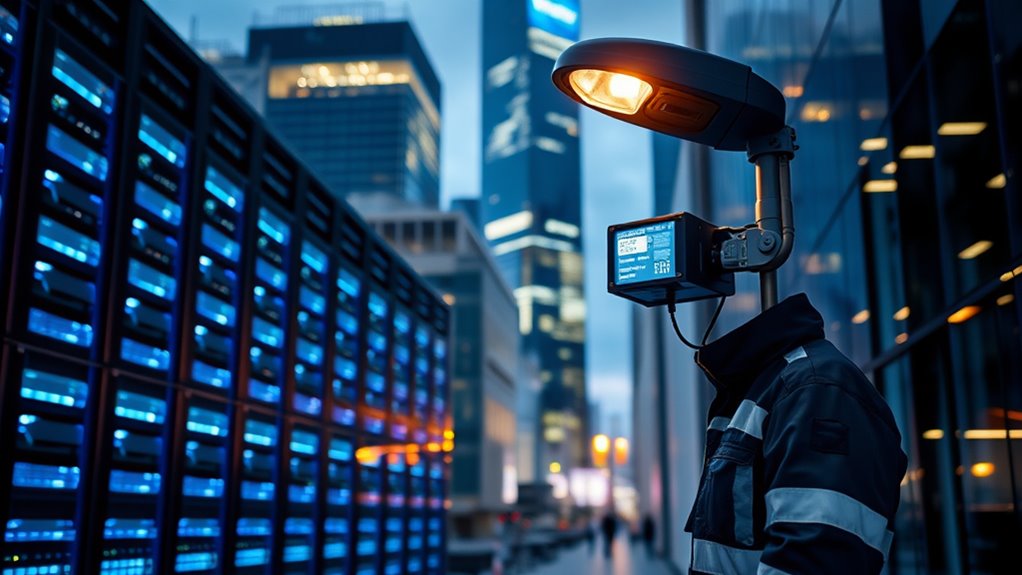

Edge computing moves cloud processing closer to you by bringing data analysis and decision-making right to the source, such as sensors or devices. This reduces latency, speeds up responses, and improves security by keeping sensitive info local. It also eases bandwidth demands and makes your systems more reliable. As this technology evolves, it’s shaping a smarter, more responsive digital environment — and you’ll discover more about its impact soon.
Open a free Amazon Business account
Business pricing, bulk buying and tax-exempt orders.
As an affiliate, we earn on qualifying purchases.
Key Takeaways
- Edge computing reduces latency by processing data near IoT devices, enabling faster responses and real-time decision-making.
- Moving cloud resources closer improves data security, minimizes transmission risks, and enhances privacy.
- Local data processing decreases bandwidth demands and reliance on distant data centers, increasing system resilience.
- Proximity-based computing supports quicker deployment of innovations and updates without cloud delays.
- It fosters smarter, more responsive systems in industries like manufacturing, smart cities, and autonomous vehicles.
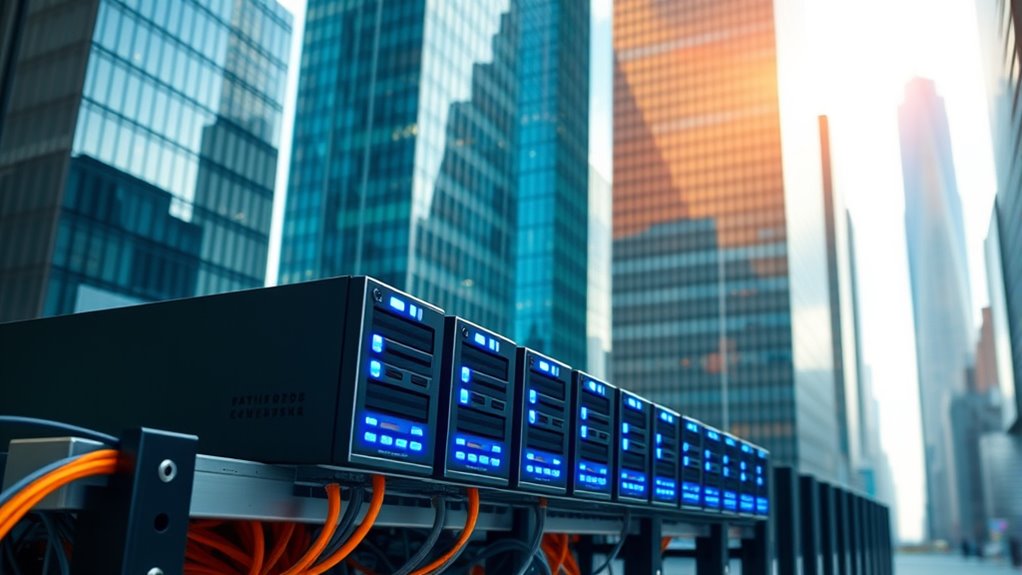
Edge computing is transforming the way we process data by bringing computation closer to where it’s generated. This shift is especially significant when it comes to IoT integration, where countless devices—from smart sensors to connected appliances—produce massive amounts of data every second. By processing this data locally, at the edge of the network, you can reduce the need to send everything to distant data centers. This not only speeds up response times but also eases bandwidth demands, making your system more efficient and scalable. As IoT devices become more prevalent, the importance of edge computing in achieving seamless IoT integration becomes clear. You can now connect devices more reliably, without waiting for data to traverse long network routes, which would otherwise introduce delays and potential points of failure.
Bringing computation to the edge enhances IoT connectivity, speeds response times, and reduces bandwidth for more scalable, reliable systems.
Latency reduction is one of the most immediate benefits you experience with edge computing. When data is processed at or near the source, the time it takes to analyze and respond drops dramatically. For instance, in applications like autonomous vehicles or industrial automation, every millisecond counts. Edge computing enables real-time decision-making, allowing your systems to react instantly to changing conditions. You no longer need to rely solely on cloud-based servers located far away, which can introduce latency due to network congestion or long-distance data transmission. Instead, local processing at the edge ensures that critical commands are executed swiftly, keeping operations safe and efficient.
Moreover, by bringing computation closer to your IoT devices, you gain greater control over your data. Sensitive information can be processed locally, reducing the risk of breaches or data leaks during transmission. This localized approach also means fewer dependencies on internet connectivity, which is crucial in remote or industrial environments where stable connections may be challenging. As a result, your operations become more resilient, with less downtime caused by connectivity issues. Additionally, implementing edge security measures helps further protect your local data processing environments from cyber threats.
In addition, edge computing empowers you to implement smarter, more responsive systems. When data is processed on-site, you can leverage real-time analytics and machine learning models to make immediate adjustments. Whether it’s optimizing manufacturing processes or managing smart city infrastructure, the ability to analyze and act locally creates a more dynamic environment. This proximity of computation not only enhances security and privacy but also allows you to innovate faster, deploying new features and updates without waiting for cloud-based processing cycles.
Ultimately, edge computing is revolutionizing how you manage data by making processing faster, more reliable, and more secure. With improved IoT integration and significant latency reduction, you’re positioned to harness the full potential of connected technology, transforming how you work, live, and interact with the digital world.
As an affiliate, we earn on qualifying purchases.
Frequently Asked Questions
How Does Edge Computing Impact Data Privacy and Security?
Edge computing enhances your data privacy and security by keeping sensitive information closer to its source. You benefit from data encryption, which protects your data during transmission and storage. Additionally, strict access control measures limit who can view or modify your data, reducing risks. By processing data locally, edge computing minimizes exposure to cyber threats and guarantees your personal information remains secure and private.
What Industries Benefit Most From Edge Computing Advancements?
You benefit most in industries like manufacturing, healthcare, and retail through edge computing advancements. IoT integration allows real-time data processing, boosting efficiency and safety, while AI acceleration enhances decision-making and automation. By bringing computation closer to devices, you experience faster responses, reduced latency, and improved security. These improvements help streamline operations, enable innovative solutions, and give you a competitive edge in rapidly evolving markets.
How Does Edge Computing Influence Network Latency and Bandwidth?
You might think edge computing complicates networks, but it actually reduces latency and conserves bandwidth by processing data closer to IoT devices. This minimizes delays, ensuring faster responses and smoother operations. Plus, it helps with data sovereignty, letting you keep sensitive info local. So, instead of overwhelming your network, edge computing streamlines data flow, making your systems more efficient and responsive.
What Are the Cost Implications of Adopting Edge Versus Cloud Computing?
When comparing edge and cloud computing, your cost analysis shows that edge computing can lower expenses by reducing data transfer and storage costs. However, it may require higher upfront investments for local infrastructure. You should include these costs in your budget planning to guarantee a clear understanding of ongoing maintenance versus potential savings. Balancing these factors helps you decide which approach best fits your budget and operational needs.
How Scalable Is Edge Computing for Large Enterprise Deployments?
Did you know 70% of large enterprises plan to expand their edge deployments in the next two years? Edge scalability is quite impressive, enabling you to grow your enterprise deployment efficiently. You can add devices and data processing capabilities without overloading your network or infrastructure. This flexibility allows your organization to handle increasing data volumes and complex applications seamlessly, making edge computing a reliable choice for large-scale enterprise deployment.
As an affiliate, we earn on qualifying purchases.
Conclusion
As you see, edge computing brings processing closer to you, reducing latency and improving efficiency. Some might worry about increased complexity or security risks, but with proper safeguards, these challenges are manageable. Embracing this shift means you’re leveraging faster, more reliable technology right where you need it most. Ultimately, moving the cloud to your doorstep isn’t just a trend — it’s a smarter way to stay connected, responsive, and ahead in today’s digital world.
As an affiliate, we earn on qualifying purchases.
industrial edge computing hardware
As an affiliate, we earn on qualifying purchases.
As an affiliate, we earn on qualifying purchases.
Flea & tick season Picks
flea and tick prevention
As an affiliate, we earn on qualifying purchases.