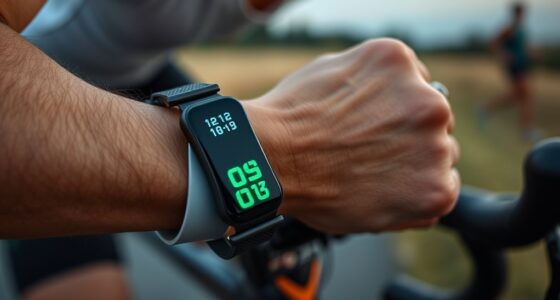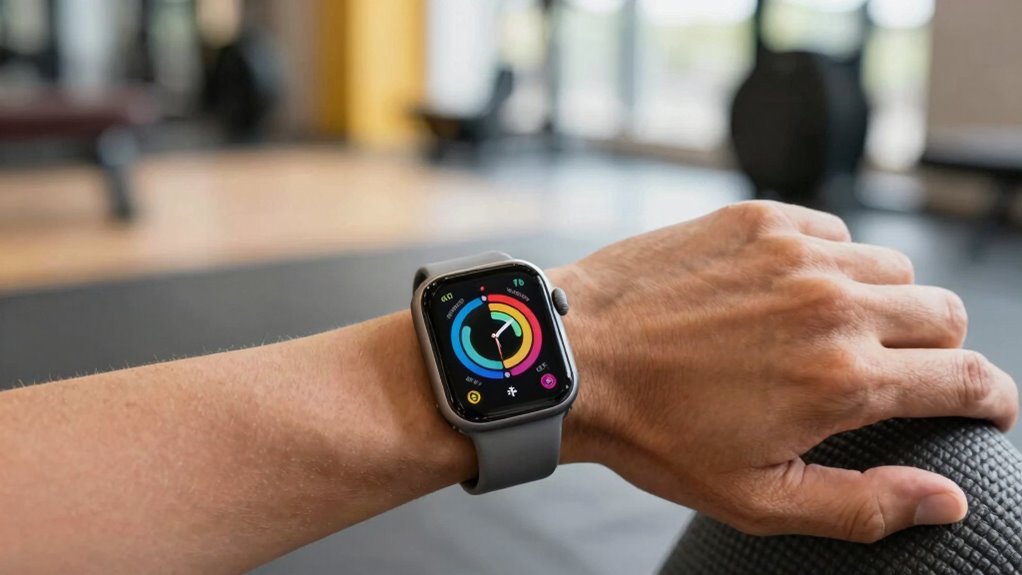

To avoid feeling overwhelmed by fitness metrics, focus on the data that truly supports your health goals, like sleep quality and daily activity, rather than obsessing over every number. Set realistic expectations and understand that not all data is equally important. Use metrics as tools for guidance, not judgment, and remind yourself that health is a journey. Keep a balanced perspective, and if you stick with it, you’ll discover ways to stay motivated and stress less about the numbers.
Get ready for Prime Big Deal Days — try Prime free
Exclusive member deals on October 6–7, plus fast free delivery. Cancel anytime.
As an affiliate, we earn on qualifying purchases.
Key Takeaways
- Focus on a few meaningful metrics aligned with your health goals instead of tracking everything.
- Use data as a guide, not a source of stress; interpret trends rather than obsess over daily fluctuations.
- Set realistic expectations and avoid constant checking to prevent anxiety or burnout.
- Prioritize overall well-being and lifestyle changes over fixation on numbers.
- Remember health is a journey; let tracking support your progress, not define your worth.

Fitness tracking can be a powerful tool for improving your health, but it’s easy to feel overwhelmed when faced with a flood of data. Every app, device, or wearable provides a barrage of metrics—steps taken, calories burned, heart rate, sleep quality—and it’s tempting to obsess over every detail. To avoid burnout, start by recognizing that not all data is equally important. Focus on a few key metrics that genuinely matter to your goals. For example, if you’re trying to improve overall wellness, tracking sleep quality and daily activity might be enough, rather than obsessing over every calorie burned or minute of movement.
Many people fall prey to nutrition myths, which can cloud judgment and lead to frustration. Instead of trying to decipher conflicting information or feeling guilty over minor dietary slip-ups, use your fitness tracker to monitor genuine progress. Trust the data that aligns with your goals—like tracking protein intake or water consumption—rather than chasing after fad diets or quick fixes. Remember, no single number defines your health. Consistency over time matters more than daily fluctuations, so don’t get caught up in the numbers that seem off or confusing. Incorporating a comprehensive understanding of how different metrics interact can help you interpret your data more accurately.
Focus on meaningful data like protein and water intake; avoid chasing fad diets or quick fixes.
Sleep tracking is another area where many get overwhelmed. It can be tempting to fixate on sleep scores or worry about every interruption during the night. But sleep data is most useful when you use it as a tool to identify patterns. For instance, if your tracker shows you’re sleeping poorly after late-night screen time, you can adjust your habits accordingly. Avoid the trap of obsessing over every detail; instead, look for trends and make incremental changes. Sleep quality has a significant impact on your overall health, but it’s just one piece of the puzzle. Understanding the accuracy of data can help you interpret your sleep information more effectively and prevent misjudging your progress based on numbers alone. Use sleep tracking to inform your lifestyle choices, not to judge yourself harshly. Recognizing that data interpretation is key can help prevent misjudging your progress based on numbers alone.
Additionally, understanding that fitness tracking metrics are just tools can help keep your perspective balanced and reduce the tendency to become overly fixated on data. To stay balanced, set realistic expectations around your tracking efforts. Remember that these devices are tools, not judges. Avoid the temptation to constantly check your stats, which can lead to anxiety or burnout. Instead, incorporate tracking into your routine as a way to support your goals—whether that’s improving sleep, staying active, or eating mindfully. Keep in mind that health is a journey, not a race, and the data should serve as a guide, not a source of stress. By focusing on what truly matters, you’ll avoid feeling overwhelmed and stay motivated on your path to better health.
As an affiliate, we earn on qualifying purchases.
Frequently Asked Questions
How Often Should I Check My Fitness Metrics?
You should check your fitness metrics once or twice a week to avoid feeling overwhelmed. This frequency helps you focus on overall trends rather than daily fluctuations. Remember to prioritize data privacy, ensuring your data stays secure. Also, consider metric accuracy—use reliable devices to get precise readings. Regular but limited checks let you stay motivated without overanalyzing, helping you maintain a healthy balance in your fitness journey.
Which Metrics Are Most Important for Beginners?
Think of the most important metrics for beginners like guiding stars in a vast sky. Focus on progress milestones such as step count, activity duration, and calories burned. These are straightforward and help you see tangible improvements. Avoid data overload by interpreting patterns rather than obsessing over every detail. This approach keeps your motivation high and prevents feeling overwhelmed while you steadily build your fitness journey.
Can Tracking Too Many Metrics Be Harmful?
Tracking too many metrics can be harmful because it leads to data overload and metric obsession, making you feel overwhelmed and frustrated. When you focus on too many numbers, you might lose sight of your actual progress and motivation. Stick to a few key metrics that truly matter to your goals. This keeps your tracking manageable, helps you stay motivated, and prevents burnout caused by excessive data.
How Do I Stay Motivated Without Obsessing Over Data?
Did you know that only 8% of people stick to their fitness goals? To stay motivated without obsessing over data, practice mindful monitoring—focus on how exercise makes you feel rather than every number. Embrace data detachment by setting simple, meaningful goals and celebrating progress beyond metrics. Keep your attention on your body’s signals and enjoy each step, making fitness a positive, sustainable part of your life.
What Are Signs I’m Overanalyzing My Fitness Data?
If you notice Data overload or feel anxious about your progress, you’re likely overanalyzing your fitness data. Signs include obsessively checking stats, feeling stressed over small fluctuations, or comparing yourself constantly to others. These anxiety triggers can make workouts feel more like a chore than a boost. To avoid this, focus on overall trends instead of daily numbers, and remember that progress isn’t always linear.
fitness tracker for activity and sleep
As an affiliate, we earn on qualifying purchases.
As an affiliate, we earn on qualifying purchases.
Conclusion
Remember, if you try to chase every metric at once, you’ll end up caught in a never-ending whirlwind of numbers that could make your head spin faster than a tornado. Instead, focus on a few meaningful goals, and let the rest stay in the background like a faint hum. Keep your eyes on what truly matters, and you’ll find that fitness tracking becomes a helpful tool, not a chaos-inducing monster. Trust me, your sanity will thank you.
As an affiliate, we earn on qualifying purchases.
As an affiliate, we earn on qualifying purchases.
Fall yard work Picks
leaf blowers
As an affiliate, we earn on qualifying purchases.