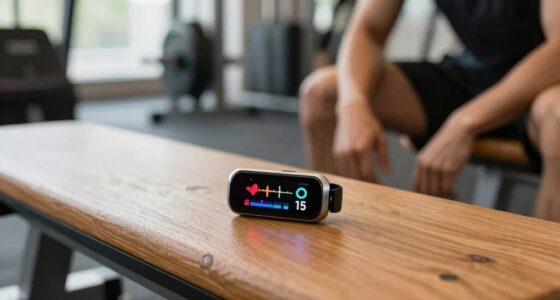

When you use fitness trackers, your health data could be seen by the device company, third-party partners, or advertisers, depending on their privacy policies. Your data is often encrypted for security, but sharing details like your activity, sleep, or heart rate may happen through data partnerships or cloud storage. To keep your info protected, it’s important to understand who can access it and how. Exploring the details helps you stay in control of your personal information.

Get workout gear delivered free — and shop member deals
- Fast, free delivery on millions of items
- Access to Prime Big Deal Days deals on October 6–7
- Prime Video, Amazon Music and more included
Key Takeaways
- Privacy policies specify who can access your health data, including the company, third parties, or advertisers.
- Data encryption during transmission and storage protects your personal health information from unauthorized access.
- User consent is required for data collection, sharing, and access, emphasizing the importance of reading privacy policies.
- Privacy controls allow users to restrict data sharing and manage who can see their personal health metrics.
- Your health data stored on cloud servers may be shared with third parties in anonymized form for research or marketing purposes.

Fitness trackers have become popular tools for monitoring your health and activity levels, but they also raise significant privacy concerns. When you wear a device that tracks your steps, heart rate, sleep patterns, and other personal data, you might not realize who can access that information or how it’s protected. One essential aspect of safeguarding your data is the use of data encryption. Reputable fitness tracker companies encrypt your data both during transmission and storage, meaning it’s scrambled into an unreadable format that only authorized systems can decode. This layer of security helps prevent hackers or malicious actors from intercepting or stealing your sensitive health information. However, encryption alone isn’t enough; your explicit user consent plays an equally important role. When you start using a fitness tracker, you’re usually prompted to agree to the company’s privacy policy and terms of service. It’s important to read these carefully because they specify who can access your data—whether it’s the company itself, third-party partners, or even advertisers—and under what circumstances. By giving your user consent, you authorize the company to collect, store, and sometimes share your data, so understanding these permissions is essential.
Many companies now offer transparent privacy controls, allowing you to manage what information you share and with whom. You might be able to opt out of certain data sharing practices or restrict access to your most personal health metrics. Being proactive about your privacy settings helps guarantee you’re only sharing what you’re comfortable with. It’s also wise to be aware of where your data goes once it leaves the device. Some companies store data on cloud servers, which are vulnerable to breaches if not properly secured. Others might share aggregated, anonymized data with third parties for research or marketing purposes—though this often involves stripping away personally identifiable information first. Still, it’s your right to decide whether you want your data used in this way.
Ultimately, understanding the importance of data encryption and user consent empowers you to make informed choices about your health data. You should feel confident that your fitness tracker isn’t just helping you stay active but also respecting your privacy. Regularly reviewing privacy policies and adjusting settings as needed helps keep your personal health information secure. Remember, your data is valuable—treat it with the same care you give your physical health. By staying vigilant and informed, you can enjoy the benefits of your fitness tracker without compromising your privacy or security. Additionally, understanding the thermal behavior of your device and data security measures can help you better assess potential vulnerabilities.
fitness tracker with privacy controls
As an affiliate, we earn on qualifying purchases.
As an affiliate, we earn on qualifying purchases.
Frequently Asked Questions
Can Employers Access My Fitness Tracker Data Without My Consent?
No, employers generally can’t access your fitness tracker data without your consent. Workplace monitoring laws and privacy rights protect your health information. However, if your employer has a data sharing agreement or requests your data voluntarily, they might see it. Always review privacy policies and ask about data access before sharing your fitness tracker info. You control your data, and employers need your permission to access it legally.
What Legal Protections Exist for Health Data Collected by Fitness Devices?
You’re protected by laws that require fitness device companies to use data encryption, ensuring your health info stays secure. These laws also emphasize user consent, meaning your data isn’t shared without your approval. Although some gaps exist, your legal protections aim to keep your health data private and under your control, making it less likely for unauthorized parties to access or misuse your sensitive information.
How Secure Is My Data When Stored on Third-Party Health Apps?
Your data’s security on third-party health apps varies, but it’s often protected through data encryption, making it harder for unauthorized access. However, your safety also depends on how much user consent you give; always read privacy policies before sharing your health info. Keep in mind, even with encryption, there’s still some risk, so choose reputable apps and regularly review your privacy settings to stay in control.
Can Insurance Companies Access My Health Data From Fitness Trackers?
Think of your health data as a treasured diary—insurance companies can access it through data sharing, raising serious privacy concerns. They might use your fitness tracker info to assess risk or determine premiums, which can feel like your private thoughts being exposed. While some regulations protect you, always stay vigilant, and review privacy policies, so you’re aware of who might see your health journey and how it’s used.
Are There Differences in Privacy Policies Among Various Fitness Tracker Brands?
Yes, privacy policies and data sharing practices vary among fitness tracker brands. Some companies prioritize user privacy and limit data sharing, while others may share your health data with third parties or advertisers. You should carefully review each brand’s privacy policies before purchasing. By understanding how your data is handled, you can make informed decisions about which fitness tracker aligns with your privacy preferences and comfort level.
health data encryption fitness band
As an affiliate, we earn on qualifying purchases.
As an affiliate, we earn on qualifying purchases.
Conclusion
As you wear your fitness tracker like a silent guardian, remember that your health data is a precious gem. While it can help you stay motivated and healthy, it’s also a window for others to see into your life. Protect your information as fiercely as you chase your goals. Stay informed, set strong privacy settings, and don’t let your health secrets drift away like leaves on the wind. Your privacy is the key to your peace of mind.
fitness tracker with data privacy settings
As an affiliate, we earn on qualifying purchases.
As an affiliate, we earn on qualifying purchases.
privacy-focused activity tracker
As an affiliate, we earn on qualifying purchases.
As an affiliate, we earn on qualifying purchases.
Fall Picks
fall essentials
As an affiliate, we earn on qualifying purchases.