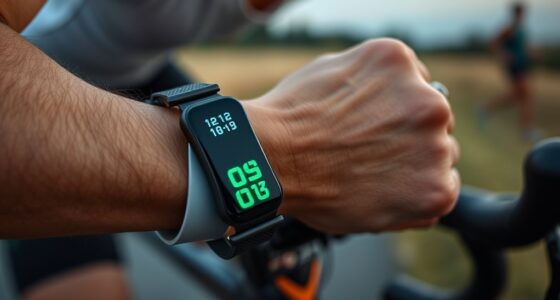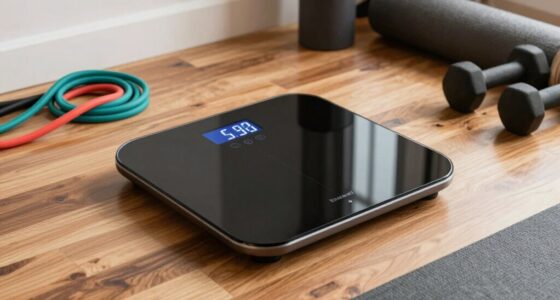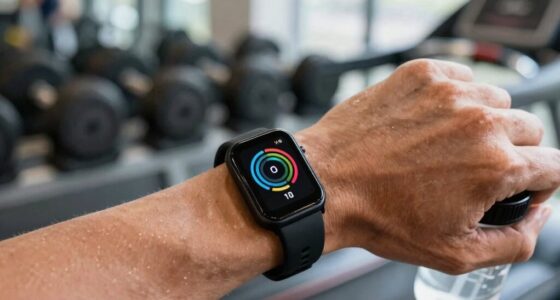
As a beginner, focus on tracking key data like your weight, body measurements, and workout performance to see progress over time. Keep an eye on your heart rate during exercises and your sleep quality to support recovery. Monitoring your calorie intake and macronutrients helps guarantee your diet aligns with your goals. Stay consistent and patient, gradually adding more data points. For a deeper understanding of what to monitor, there’s more to explore.
Listen free for 30 days with Audible
Thousands of audiobooks and originals — cancel anytime.
As an affiliate, we earn on qualifying purchases.
Key Takeaways
- Track basic progress like weight and body measurements to monitor overall changes over time.
- Monitor workout performance and exertion levels using heart rate data during exercises.
- Keep an eye on sleep quality to support recovery and overall health.
- Use nutritional tracking to ensure calorie intake and macronutrients align with goals.
- Prioritize consistency and patience, focusing on core data points before expanding tracking efforts.

Getting started with fitness data can feel overwhelming, but understanding the basics is a great first step toward reaching your health goals. When you begin tracking your fitness, the key is to focus on a few essential data points that give you clear insights into your progress. Progress tracking, for instance, is your way of measuring how well you’re advancing over time. Whether you’re aiming to lose weight, build muscle, or improve endurance, keeping an eye on metrics like weight, body measurements, or workout performance helps you stay motivated and adjust your routine as needed. Instead of obsessing over every number, aim for consistent updates—weekly or biweekly—to see trends emerge. This way, you recognize what’s working and what isn’t, keeping your efforts focused and effective.
Track key fitness metrics regularly to stay motivated, identify trends, and adjust your routine effectively.
Alongside progress tracking, paying attention to nutritional insights is equally important. Your diet fuels your workouts and recovery, so understanding your nutritional intake can help you make smarter choices. By tracking what you eat—calories, macronutrients like proteins, carbs, and fats—you gain clarity on whether you’re supporting your fitness goals. If weight loss is your aim, monitoring your calorie intake helps you create a slight deficit. Conversely, if you’re building strength, ensuring adequate protein consumption becomes essential. Many fitness apps offer nutritional insights, making it easier to see where you might need to make adjustments. Keep in mind, consistency is essential; small, sustainable changes are better than drastic overhauls that are hard to maintain.
While progress tracking and nutritional insights are foundational, don’t forget about other data points that can inform your journey. Heart rate during workouts, sleep quality, and activity levels can provide a broader picture of your health. These metrics help you understand how your body responds to different exercises and recovery strategies. Additionally, understanding fitness data from a security and privacy perspective can help you choose reliable tools that protect your information. Incorporating wearable devices can provide real-time data that enhances your understanding of your body’s responses. Regularly reviewing your data for trends can help you identify patterns and make more informed adjustments to your routine. Engaging with secure tracking tools ensures your personal information remains protected while you monitor your health metrics. Moreover, being aware of privacy considerations ensures that your personal information remains protected while tracking your health metrics. For beginners, the goal isn’t to track everything at once but to establish habits around these core areas. As you become more comfortable, you can incorporate additional data to fine-tune your approach.
In the end, the key to leveraging fitness data effectively is to stay consistent and patient. Focus on the metrics that matter most to your goals, use them to guide your decisions, and give your body time to adapt. Progress tracking and nutritional insights serve as your compass on this journey, helping you stay motivated, informed, and on course toward a healthier, stronger you.
As an affiliate, we earn on qualifying purchases.
Frequently Asked Questions
How Often Should Beginners Track Their Fitness Data?
You should track your fitness data at least once a week to stay motivated and see your progress milestones. Regular tracking helps maintain exercise motivation, as you can celebrate small wins and identify areas to improve. Don’t obsess daily, but consistent weekly updates give you a clear picture of your journey. Adjust your workouts as needed based on the data, keeping your fitness goals achievable and your motivation high.
Which Fitness Metrics Are Most Important for Weight Loss?
Think of your body as a finely tuned engine. To accelerate your weight loss journey, focus on your nutrition habits and sleep quality, which act as the fuel and rest that keep your engine running smoothly. Tracking your calorie intake, macronutrients, and sleep patterns helps you identify what’s working and what needs adjustment. Prioritize these metrics daily, and you’ll see steady progress toward your goals.
How Do I Interpret My Heart Rate Zones?
You interpret your heart rate zones by understanding your maximum heart rate and tracking where your current heart rate falls during exercise. Use your fitness app to monitor your heart rate variability, which indicates your recovery and stress levels. Keep in mind that fitness app accuracy can vary, so cross-reference data with other methods or devices for a clearer picture. Staying within specific zones helps optimize your training and avoid overexertion.
What Is a Healthy Daily Step Count for Beginners?
A healthy daily step count for beginners is around 7,000 to 8,000 steps. Notably, people who track their steps and log their diet tend to see more progress. You should also pay attention to sleep quality, as better rest boosts energy for your walks. Combining regular activity, diet logging, and good sleep helps create a sustainable routine, making your fitness journey more effective and enjoyable.
Should I Track Calories Burned During Workouts?
Yes, you should track calories burned during workouts to gauge your progress and adjust your routines as needed. Calorie tracking helps you understand your workout intensity and how it impacts your goals. It’s a practical way to stay motivated and guarantee you’re challenging yourself without overdoing it. Keep an eye on this data, but don’t obsess—use it to make informed decisions and improve your fitness journey.
As an affiliate, we earn on qualifying purchases.
Conclusion
Think of your fitness journey as a garden. The data you track—steps, heart rate, calories—is like seeds that, with care, grow into strong, vibrant plants. Focus on these small, consistent acts, and you’ll nurture resilience, strength, and confidence. Just as a garden flourishes with patience and attention, your progress blossoms when you stay attentive to your data. Keep tending to your habits, and watch your fitness garden flourish into a beautiful, thriving landscape.
As an affiliate, we earn on qualifying purchases.
As an affiliate, we earn on qualifying purchases.
Flea & tick season Picks
flea and tick prevention
As an affiliate, we earn on qualifying purchases.