Choosing between Android and iPhone depends on what matters most to you. If you want maximum customization and a variety of hardware options, Android is your best bet. But if you prefer a seamless, easy-to-use experience with sleek design, an iPhone may suit you better. Both platforms offer unique benefits tailored to different preferences. By exploring more, you’ll find out which device aligns perfectly with your style and needs.
Key Takeaways
- Choose Android for extensive customization, diverse hardware options, and flexibility in personalization.
- Opt for iPhone if you prioritize a sleek design, seamless integration, and a consistent user experience.
- Consider Android’s open system for deeper system tweaks and third-party app installation.
- Select iPhone for a polished, straightforward interface with reliable software-hardware synergy.
- Think about sustainability and energy efficiency if eco-friendliness influences your device choice.

Have you ever wondered whether Android or iPhone is the better choice for you? It’s a question that often boils down to what you value most in a smartphone. If you love having the ability to truly make your device your own, then app customization might be a key factor. Android phones excel at this, offering a high degree of flexibility. You can change home screen layouts, install custom launchers, and tweak widgets to suit your preferences. Unlike iPhones, which keep a more uniform interface, Android allows you to personalize nearly every aspect of your device’s appearance and functionality. This means you can create a unique user experience, from icon packs to custom animations, making your phone feel more like your personal digital space.
Android offers extensive customization options, allowing you to personalize your device’s appearance and experience.
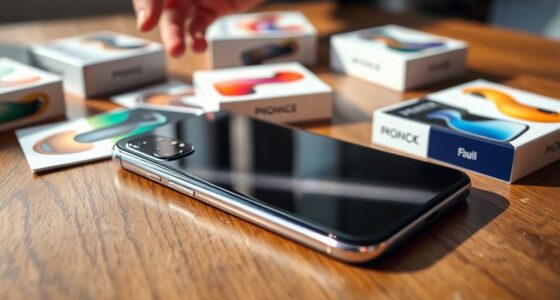
On the other hand, hardware design might influence your choice if you’re looking for a sleek, premium feel. Apple’s iPhones are renowned for their minimalist yet sophisticated build quality. The seamless integration of hardware and software results in a polished, user-friendly experience that many find appealing. iPhones tend to have a consistent aesthetic, with high-quality materials like glass and aluminum, and they often set trends in smartphone design. Android devices, however, come in a wide range of styles, sizes, and build qualities. Some manufacturers focus on rugged durability, others on cutting-edge features, and many offer innovative designs that push the envelope. If you prefer a device that stands out visually or offers specialized features like foldable screens or advanced camera systems, the Android ecosystem provides more variety.
Your decision might also hinge on how much you value app customization versus hardware design. Android’s open ecosystem lets you install third-party apps and tweak settings that are often locked down on iPhones. This freedom can make your device feel more tailored to your needs, whether that’s customizing notifications, changing default apps, or using unique widgets. Conversely, if you prioritize a seamless, hassle-free experience with a device that looks and feels consistently premium, the iPhone’s hardware design and tight software integration might be more appealing. Additionally, considering the energy-efficient technology behind these devices can influence your choice, especially if sustainability and reducing your digital carbon footprint are important to you.
Ultimately, it’s about what you want your smartphone to do for you. If you crave freedom and personalization, Android’s app customization options and diverse hardware styles are likely to suit you better. If you prefer a sleek, elegant device with a simple, intuitive interface, then an iPhone might be the right fit. Both have their strengths, so it’s worth considering which features matter most to your daily use and personal style.
Frequently Asked Questions
Can I Switch From Android to Iphone Easily?
Yes, you can switch from Android to iPhone easily. Apple offers the “Move to iOS” app, which simplifies the transfer process, including your contacts, photos, and messages. However, compatibility concerns might arise with some apps or services not available on iOS. Make sure to back up your data beforehand and check if your essential apps are compatible. The process is straightforward, but a little planning helps guarantee a smooth changeover.
Which Platform Offers Better Privacy Features?
Privacy protection prevails with Apple, offering robust privacy controls and data encryption that prioritize your security. You’ll find iPhones provide tighter privacy controls, preventing unauthorized access and tracking. Android, while improving, still lags behind with more open-source options that can compromise your data. For privacy-focused users, Apple’s platform delivers a safer, more secure experience, emphasizing encryption and privacy controls, ensuring your personal information stays private and protected.
Do Android and Iphone Support the Same Apps?
You’ll find that Android and iPhone support different apps due to app store differences. Android uses the Google Play Store, offering a wider variety of apps, including some that aren’t available on iOS. iPhones rely on the Apple App Store, which maintains strict quality controls. While many popular apps are available on both platforms, some apps are exclusive to one, so consider your app needs when choosing a device.
Is It Cost-Effective to Buy a Flagship Model?
Buying a flagship model isn’t always cost-effective, but it can offer economic benefits through better durability, faster updates, and advanced features. While premium pricing might seem high initially, you often get a longer-lasting device that maintains value and performance over time. If you prioritize top-tier technology and longevity, investing in a flagship model makes sense. However, weigh whether the added features align with your needs and budget before making a decision.
How Do Software Update Policies Differ?
Software update policies differ markedly. Android devices often face sporadic software update frequency, leading to inconsistent update consistency across models and manufacturers. In contrast, iPhones promise prompt, regular updates directly from Apple, ensuring uniform update consistency. This means you get the latest features and security patches faster and more reliably on an iPhone, while Android updates can vary, potentially leaving some devices behind in security and functionality.
Conclusion
Choosing between Android and iPhone ultimately depends on what matters most to you. Did you know that Android holds about 72% of the global smartphone market? That means more people worldwide trust Android for its customization and variety. Whether you prefer the seamless ecosystem of iPhone or the flexibility of Android, make your choice based on your needs and preferences. Whichever you pick, you’ll be part of a huge community. Your perfect phone awaits!