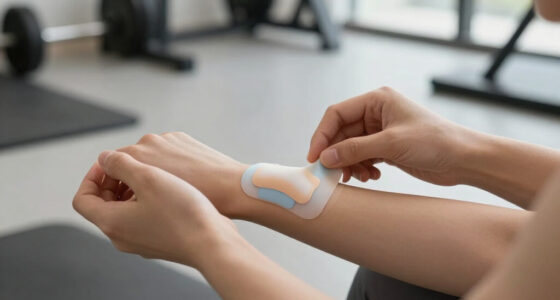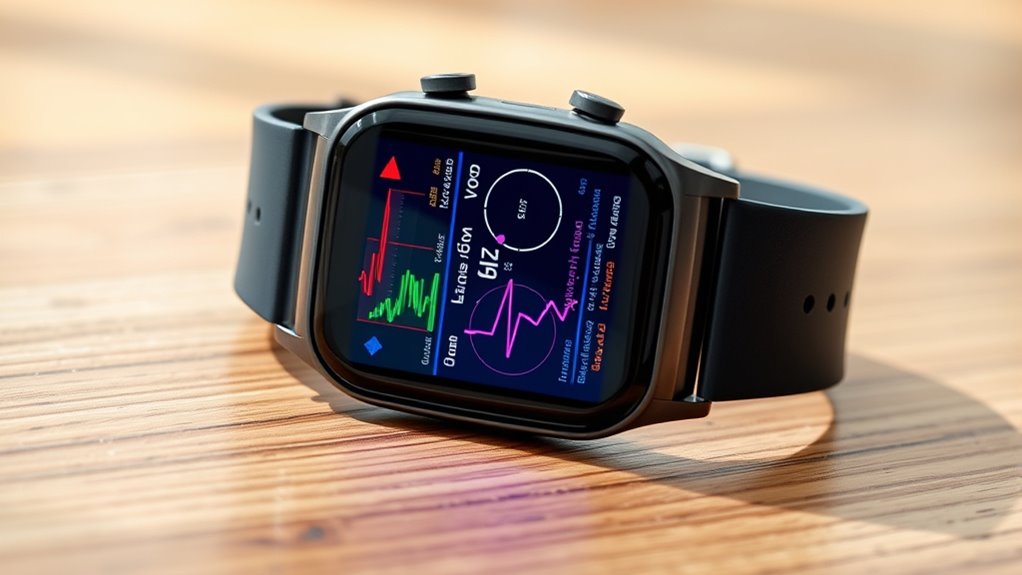

Understanding advanced fitness metrics like VO2 max and HRV helps you gauge your endurance, recovery, and overall health. VO2 max measures how efficiently your body uses oxygen during intense activity, while HRV shows how well your nervous system is balanced and recovered. Tracking lactate thresholds and heart rate zones allows you to optimize workouts, prevent overtraining, and improve performance. If you want to master these insights and boost your training, explore further to unleash their full potential.

Get workout gear delivered free — and shop member deals
- Fast, free delivery on millions of items
- Access to Prime Big Deal Days deals on October 6–7
- Prime Video, Amazon Music and more included
Key Takeaways
- VO2 Max measures aerobic capacity by assessing maximum oxygen utilization during intense exercise, indicating cardiovascular fitness.
- HRV reflects autonomic nervous system balance, with high HRV indicating good recovery and low HRV signaling stress or fatigue.
- Monitoring fitness metrics like VO2 max and HRV helps tailor training, optimize recovery, and prevent overtraining.
- Additional metrics such as sleep, stress, and cardiac efficiency provide comprehensive insights into overall health and athletic performance.
- Advanced fitness metrics are increasingly accessible through wearable devices, enabling precise tracking outside traditional lab settings.
As an affiliate, we earn on qualifying purchases.
What Is VO2 Max and Why Does It Matter?

Have you ever wondered how your fitness level is measured beyond just running distance or speed? That’s where VO2 max comes in. It indicates the maximum amount of oxygen your body can utilize during intense activity, which directly relates to your aerobic capacity. When you exercise, your body relies on metabolic pathways to produce energy, and oxygen utilization plays a pivotal role in this process. The higher your VO2 max, the more efficiently your body uses oxygen to generate energy, allowing you to perform better and recover faster. It’s a key indicator of cardiovascular fitness and endurance, helping you understand your limits and track progress over time. Knowing your VO2 max gives you a clear picture of your overall aerobic health. Connected fitness technology can help you monitor this metric more precisely by integrating wearable devices and smart training platforms. oxygen utilization is the fundamental process that VO2 max measures, providing insight into your body’s efficiency during exercise. Additionally, advancements in metabolic testing allow for more accurate assessments of your aerobic capacity outside of laboratory settings. For example, some modern devices utilize heart rate variability data to estimate your cardiovascular fitness levels more dynamically.
As an affiliate, we earn on qualifying purchases.
How Heart Rate Variability Reflects Your Recovery
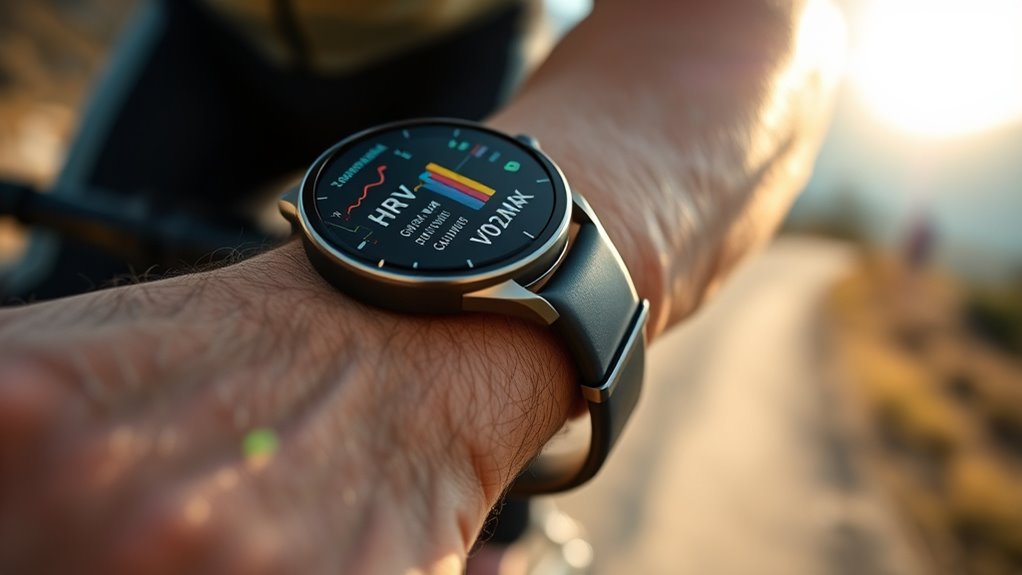
Building on your understanding of VO2 max and aerobic capacity, heart rate variability (HRV) offers valuable recovery insights. HRV measures the fluctuations in time between your heartbeats, reflecting your autonomic nervous system balance. When your HRV is high, it indicates your body is well-rested and ready for more activity; low HRV suggests fatigue or stress. Tracking HRV helps you assess how effectively your body recovers after workouts, guiding your training decisions. If HRV remains low over several days, it’s a sign you need more rest or lighter sessions. Additionally, understanding autonomic nervous system balance can help you incorporate enjoyable and nutritious foods to support your fitness goals and recovery. Recognizing the impact of heart rate variability on overall health can motivate you to adopt consistent recovery practices. Consistently monitoring HRV enables you to fine-tune your training intensity and optimize overall performance, especially when considering energy management and recovery strategies. Furthermore, paying attention to plant-based nutrition can support your body’s ability to recover efficiently and maintain optimal HRV levels.
advanced fitness metrics smartwatch
As an affiliate, we earn on qualifying purchases.
As an affiliate, we earn on qualifying purchases.
Differences Between Resting and Active Metrics

When comparing resting and active metrics, you’ll notice significant differences in baseline values and how they change during exercise. Tracking these variations over time helps you understand your progress and recovery more effectively. Practical tips, like monitoring consistently and noting fluctuations, make it easier to use these metrics for your fitness goals. Incorporating essential oil benefits into your routine can also support recovery and overall well-being. Additionally, understanding physiological responses during different activity levels enhances your ability to tailor training and recovery strategies effectively. Recognizing measurement accuracy is crucial for making reliable comparisons and adjustments in your fitness plan, especially when accounting for measurement variability that can affect data consistency.
Baseline vs. During Exercise
Understanding the differences between baseline and during-exercise metrics is crucial for accurately evaluating your fitness progress. Baseline measurements, taken at rest, show your body’s normal state, including hydration levels and mental resilience. During exercise, these metrics naturally change — heart rate increases, VO2 max rises, and HRV typically decreases. Tracking hydration is especially important, as it influences both resting and active metrics. During exercise, your body’s response highlights your endurance and adaptation, revealing how well your mental resilience holds under stress. Comparing these metrics helps you see how your body responds to different intensities. Recognizing the shifts between baseline and active states allows you to fine-tune your training, improve recovery, and better understand your overall fitness progress. Additionally, understanding advanced fitness metrics can guide you in making more informed decisions about your training regimen. Being aware of the dynamic nature of physiological responses can help you interpret your data more accurately and avoid common misconceptions. Monitoring these changes with precision is essential for optimizing your training effectiveness, and understanding these variations also emphasizes the importance of consistent measurement techniques for reliable data collection. Ensuring accurate and regular tracking can significantly improve your ability to assess progress and make adjustments accordingly.
Variability Over Time
Variability over time in your fitness metrics reveals how your body adapts to different activity levels. Resting and active measurements can fluctuate due to factors like training consistency, stress, and recovery. Recognizing these variations helps you understand your progress and identify signs of overtraining or fatigue. To accurately track these changes, measurement accuracy is essential—using consistent devices and conditions guarantees reliable data. Keep in mind that small fluctuations are normal, but persistent differences may indicate the need to adjust your routine. Monitoring these shifts over days and weeks provides insight into your adaptation process, helping you optimize training intensity and recovery strategies. Ultimately, understanding variability over time enables you to make informed decisions, enhancing your overall fitness journey.
Practical Monitoring Tips
Ever wonder how to get the most accurate picture of your fitness progress? Monitoring both resting and active metrics is key. Resting data, like HRV or resting heart rate, provides insights into recovery and stress levels, while active metrics, such as VO2 max during exercise, reflect performance. To improve data accuracy, guarantee consistent timing, like measuring in the morning or post-rest. Using reliable wearable technology helps minimize errors. Here’s a quick comparison:
| Metric Type | Best Measurement Time | Key Considerations |
|---|---|---|
| Resting | Morning, after waking | Guarantee relaxed state, avoid caffeine |
| Active | During or immediately after exercise | Calibrate devices, maintain consistency |
| Heart Rate Variability | Morning or resting state | Same device, same conditions |
| VO2 Max | During controlled sessions | Use validated equipment |
| Data Accuracy | Consistent measurement | Avoid movement artifacts |
Additionally, understanding Free Floating metrics can provide a more comprehensive view of your overall health and fitness levels.
As an affiliate, we earn on qualifying purchases.
The Role of Lactate Threshold in Performance

Your lactate threshold helps you identify the exercise intensity where fatigue begins to set in. When you train around this point, you can improve your endurance and push farther without overtaxing your body. Understanding this metric allows you to optimize your workouts for better performance. Incorporating visual and auditory cues can further enhance your training effectiveness. Additionally, monitoring heart rate variability can provide insights into your recovery and overall readiness, helping you tailor your training intensity more precisely. Recognizing the importance of training adaptations can guide you in making adjustments to your regimen for continual progress. Being aware of your lactate accumulation can help you fine-tune your training zones and avoid overtraining. Paying attention to your training zones allows for a more targeted approach to reaching your fitness goals.
Identifying Exercise Intensity
Understanding exercise intensity is crucial for optimizing performance, and the lactate threshold plays a key role in this process. It helps you pinpoint the shift between moderate effort and high-intensity exertion. By identifying your lactate threshold, you can determine your training zones more accurately, ensuring you’re working at the right intensity for your goals. Typically, exercise just below this threshold feels challenging but sustainable, while pushing beyond it leads to rapid fatigue. Monitoring your pace or heart rate during workouts can help you stay within the appropriate zone. This targeted approach enhances your training efficiency and prevents overtraining. Ultimately, understanding where your lactate threshold lies allows you to tailor workouts that improve endurance, speed, and overall performance with greater precision.
Enhancing Endurance Capacity
Have you ever wondered how athletes push their endurance limits? The key lies in understanding the lactate threshold—the point where lactic acid buildup hampers performance. Improving this threshold boosts your ability to sustain higher intensities longer. Mental resilience plays a crucial role, helping you push through discomfort, while hydration strategies prevent premature fatigue. Training around this threshold enhances your body’s efficiency, delaying fatigue onset. Consider this table to grasp its significance:
| Intensity Zone | Key Benefit | Focus Area |
|---|---|---|
| Below LT | Aerobic base development | Endurance building |
| At LT | Increased stamina | Lactate clearance |
| Above LT | Short bursts of power | Speed & strength |
Interpreting Your Heart Rate Zones
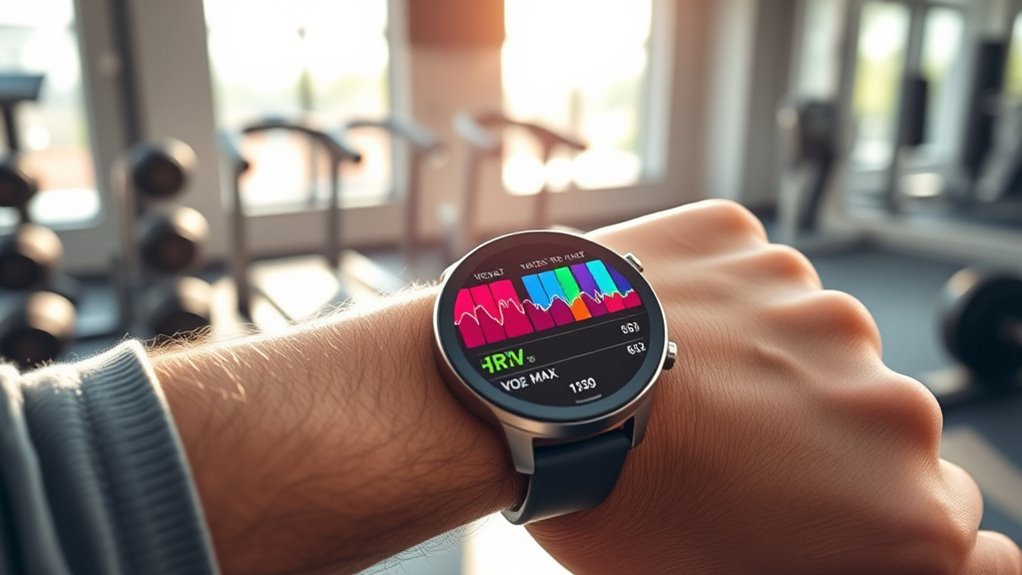
To effectively improve your fitness, understanding what your heart rate zones mean and how to interpret them is essential. Your heart rate zones represent different levels of training intensity, each offering distinct benefits. Zone 1 is light activity, ideal for recovery, while Zone 2 focuses on endurance building. Zone 3 increases aerobic capacity, and Zone 4 pushes your limits for high-intensity training. Knowing which zone you’re in helps you target specific goals, whether it’s fat burning, stamina, or performance. Monitoring your heart rate during workouts allows you to stay in the desired zone, maximizing effectiveness. As you become familiar with these zones, you’ll gain better control over your training, making each session purposeful and aligned with your fitness objectives.
Understanding Cardiac Power and Efficiency

Cardiac power and efficiency are key indicators of how well your heart supports your overall fitness. Cardiac efficiency measures how effectively your heart converts oxygen into blood flow, meaning a higher efficiency indicates your heart works smarter, not harder. Heart power, on the other hand, reflects the amount of work your heart can perform during exercise, combining stroke volume and pressure output. Improving your cardiac efficiency means your heart pumps more blood with less effort, which boosts endurance and recovery. Tracking these metrics helps you understand the quality of your cardiovascular system and identify areas for improvement. By enhancing your heart power and efficiency, you optimize your training and support long-term heart health, making your workouts more effective and sustainable.
The Significance of Sleep and Stress Data
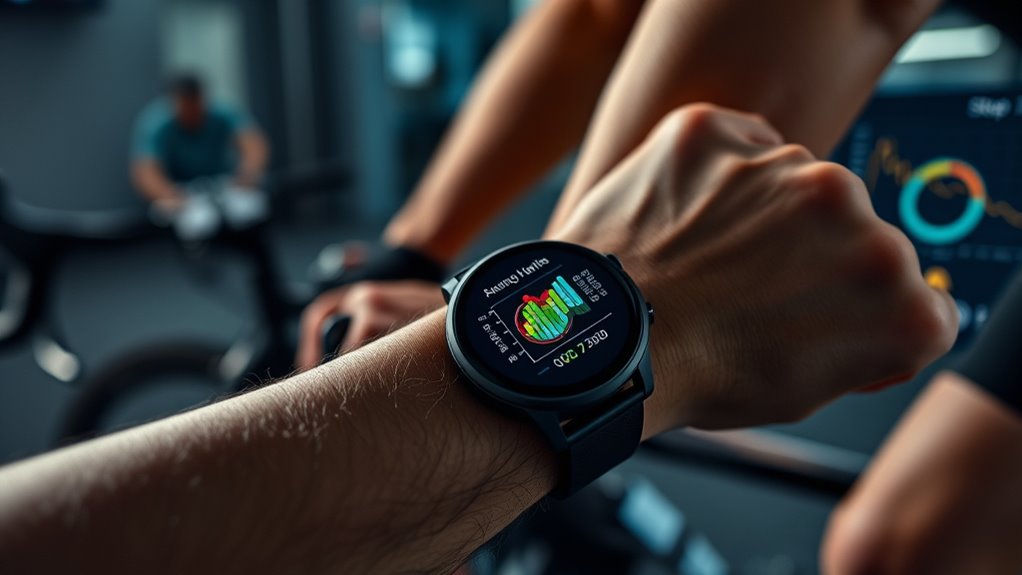
Understanding your sleep patterns and stress levels is essential because they directly influence your overall health and workout performance. Good sleep quality helps your body recover, boosts energy, and enhances mental focus. When your sleep suffers, you may notice decreased strength and endurance, making workouts less effective. Stress management is equally crucial; high stress levels can increase cortisol, impair recovery, and elevate injury risk. Tracking your stress data reveals how well you’re handling daily pressures and allows you to adjust your routines accordingly. Prioritizing quality sleep and managing stress leads to better hormonal balance, improved immune function, and sustained progress. Incorporating sleep and stress insights into your fitness plan ensures you’re optimizing recovery and maintaining peak performance over the long term.
Tracking Muscle Fatigue and Overtraining Indicators
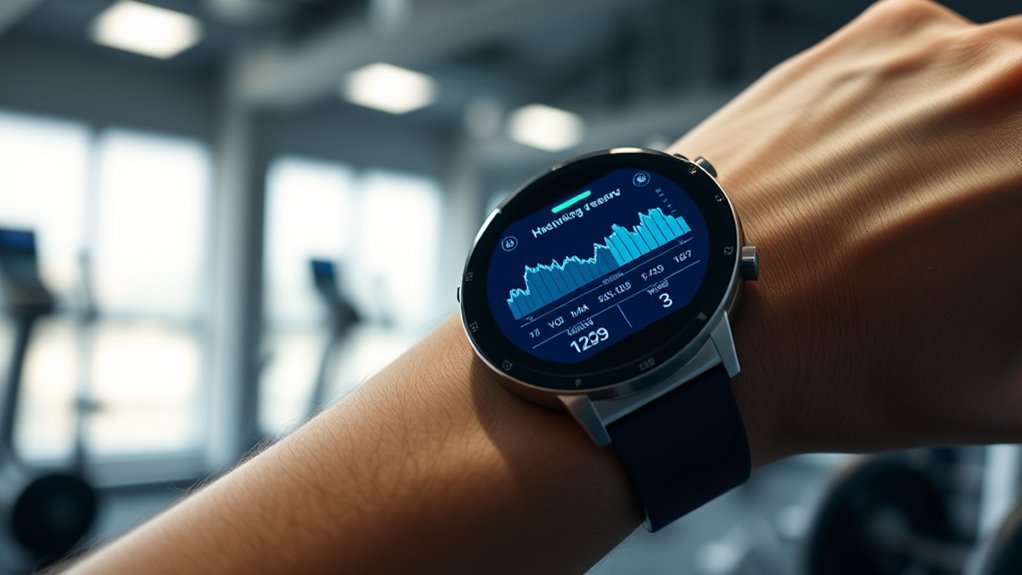
Being able to recognize signs of muscle fatigue helps you avoid overtraining and injury. Pay attention to persistent soreness, decreased performance, or unusual tiredness, as these may indicate you’re pushing too hard. Implementing effective overtraining prevention strategies keeps your progress steady and your body healthy.
Recognizing Fatigue Signs
Have you ever noticed persistent soreness or a decline in your workout performance? These signs often indicate you’re nearing fatigue. Pay attention to your hydration levels; dehydration can mask fatigue symptoms and slow recovery. Mental resilience also plays a role—feeling unusually irritable or mentally sluggish can signal overtraining. Physical signs include lingering muscle soreness, decreased strength, or a lower motivation to train. You might also notice increased resting heart rate or difficulty completing your usual intensity. Recognizing these fatigue signs early helps prevent injury and overtraining. Track how your body responds daily, and listen to your body’s signals. Staying mindful of hydration and mental resilience can give you clues about when to rest and recover, ensuring you avoid pushing past your limits.
Overtraining Prevention Strategies
Tracking muscle fatigue and overtraining indicators is vital to prevent setbacks and optimize your performance. Monitoring your resting heart rate each morning can reveal signs of overtraining; a higher-than-normal rate suggests your body needs recovery. Additionally, paying attention to sleep quality is essential, as poor sleep often indicates accumulated fatigue and inadequate recovery. If you notice consistent disruptions in sleep or elevated resting heart rate, consider adjusting your training intensity or adding rest days. Using wearable devices or fitness apps can help you track these metrics daily, providing real-time feedback on your recovery status. By staying vigilant about these indicators, you can prevent overtraining, reduce injury risks, and guarantee your training remains effective and sustainable over the long term.
The Impact of Nutrition on Advanced Metrics

Nutrition plays a essential role in shaping advanced fitness metrics because what you eat directly influences your body’s ability to perform and recover. Proper macronutrient timing ensures your muscles get the fuel they need when it matters most, enhancing metrics like VO2 max and HRV. Consuming carbs before workouts boosts energy levels, while protein afterward supports recovery. Hydration strategies are equally important; staying well-hydrated helps maintain cardiovascular efficiency and ideal heart rate variability. Dehydration can impair performance and skew your metrics, making it harder to track progress accurately. By paying attention to what you eat and when you eat it, you maximize your body’s ability to perform at its best, recover faster, and improve your advanced fitness metrics over time.
How to Use These Metrics to Optimize Your Training
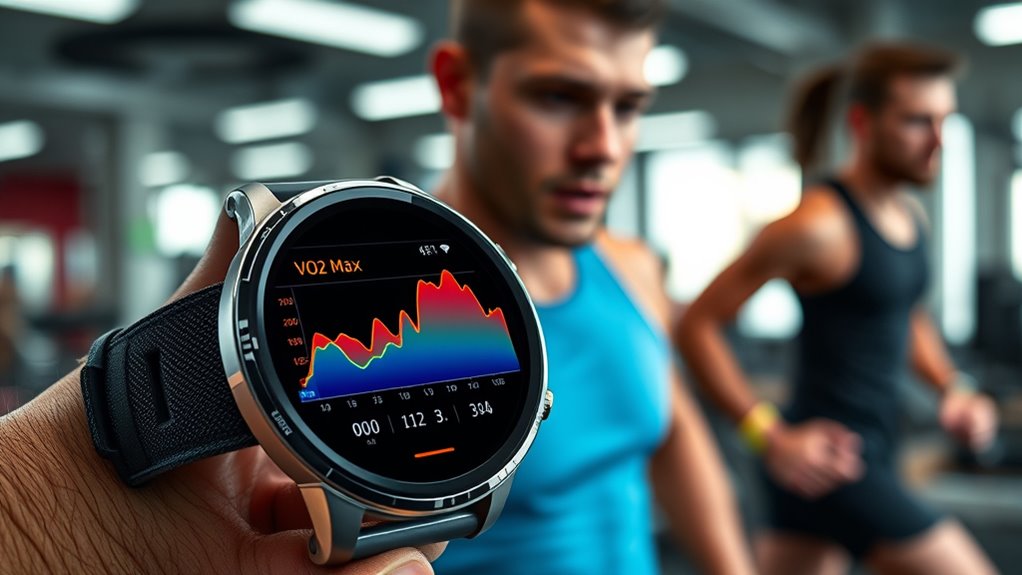
By understanding how advanced fitness metrics reflect your body’s response to training, you can tailor your workouts for better results. Monitoring hydration levels helps you stay energized and prevents fatigue, ensuring your body recovers properly and maintains peak performance. Keep an eye on HRV to gauge your mental resilience; a higher HRV indicates better stress adaptation and readiness for intense sessions. Use VO2 max trends to identify when you’re capable of pushing harder or need recovery. Adjust your training intensity based on these metrics, avoiding overtraining and burnout. Incorporate regular hydration and mental resilience strategies like mindfulness to enhance your results. By syncing your workouts with these insights, you maximize efficiency, improve recovery, and achieve consistent progress.
Frequently Asked Questions
How Often Should I Track These Advanced Fitness Metrics?
You should track these advanced fitness metrics like VO2 Max and HRV about once a week for the best insights. This tracking frequency helps you monitor trends without causing unnecessary stress or data overload. Aim for ideal timing, such as in the morning after waking up or post-rest days, to get accurate readings. Consistent tracking allows you to adjust your training and recovery strategies effectively.
Can These Metrics Predict Injury Risk?
Think of your fitness metrics as a car’s dashboard; they can warn you of potential issues before breakdowns occur. While biomarkers like HRV and VO2 Max offer insight into your recovery and stress levels, they aren’t foolproof predictors of injury risk. However, tracking them consistently enhances biomarker accuracy, helping you identify signs of overtraining or fatigue, ultimately supporting injury prevention and smarter training decisions.
Do These Metrics Vary With Age and Gender?
Yes, these metrics vary with age and gender. You’ll notice age-related changes, like decreases in VO2 Max and HRV as you get older, reflecting reduced cardiovascular and autonomic nervous system efficiency. Gender differences also play a role, with women often having different baseline values than men. Tracking these variations helps you personalize your training and monitor your fitness progress effectively over time.
How Reliable Are Consumer-Grade Fitness Devices?
Consumer-grade fitness devices offer decent device accuracy, but their data consistency can vary. While they provide useful insights, keep in mind that their measurements, especially for metrics like VO2 max or HRV, may not be as precise as clinical tools. Use these devices as a general guide, but don’t rely solely on their data for serious health decisions. Regular calibration and understanding their limitations help improve your results.
What Is a Healthy Range for HRV and VO2 Max?
A healthy range for heart rate variability (HRV) varies by individual, but higher HRV generally indicates better fitness and recovery. For VO2 max assessment, a higher value suggests greater aerobic capacity; men typically score between 35-50, women 30-45. Keep in mind, these numbers are benchmarks—your personal ranges depend on age, fitness level, and health. Regularly track your metrics to monitor improvements and tailor your training.
Conclusion
By tracking advanced metrics like VO2 max, HRV, and sleep, you gain a clearer picture of your fitness and recovery. For example, studies show that athletes with higher HRV levels recover 30% faster and perform better. Use these insights to tailor your training, avoid overtraining, and optimize your performance. Staying consistent with monitoring these metrics helps you make smarter decisions and reach your fitness goals more effectively.
Fall Picks
fall essentials
As an affiliate, we earn on qualifying purchases.