
Social media can be a great source of fitness motivation when you follow diverse, body-positive accounts that inspire personal progress. However, it also has its pitfalls, as many images are edited or showcase unrealistic ideals that might make you compare yourself negatively. To benefit from fitspiration, focus on inspiration rather than perfection, and maintain a balanced perspective. Want to learn how to use social media safely and effectively for your fitness journey? Keep going to discover helpful tips.
Key Takeaways
- Social media can boost motivation by showcasing diverse, positive fitness stories and progress.
- Curated feeds emphasizing body positivity help prevent harmful comparisons and promote healthy self-image.
- Unrealistic images and exaggerated results may lead to disappointment and distorted perceptions of achievable goals.
- Critical engagement and focusing on personal progress are essential to avoid negative self-assessment.
- Thoughtful use of fitspiration fosters inspiration and motivation without fostering unattainable standards.
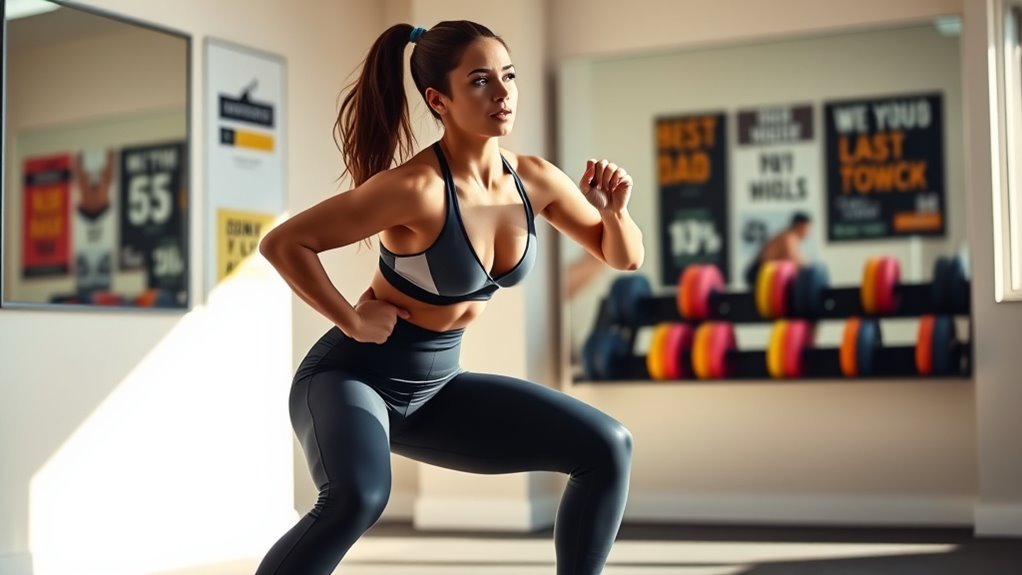
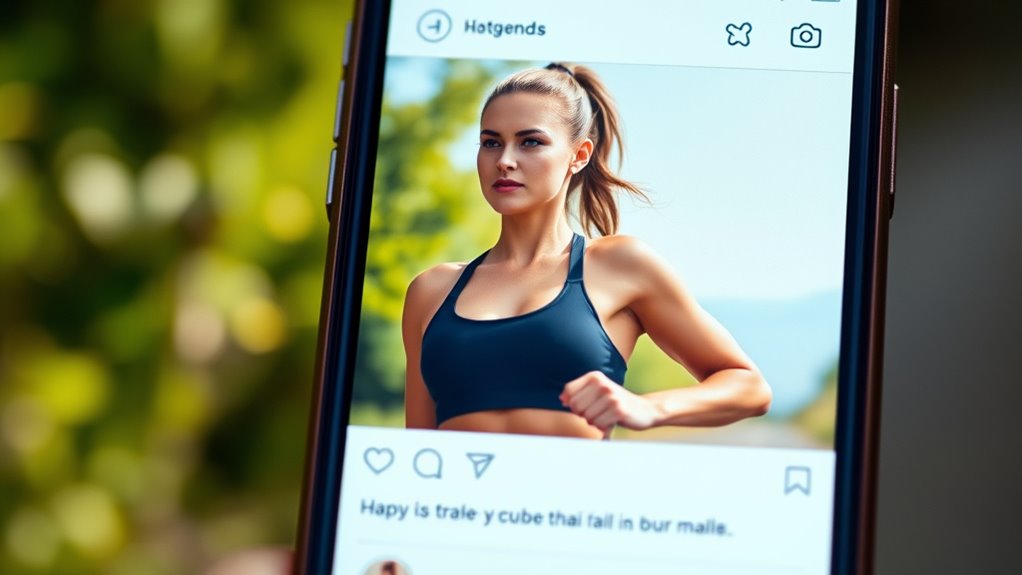
Have you ever scrolled through social media and felt inspired to hit the gym or eat healthier? It’s a common experience, thanks to the countless images and stories shared by fitness enthusiasts, influencers, and everyday people. These posts can boost your motivation, especially when they promote body positivity and celebrate diverse body types. Seeing someone confidently flaunt their workout routines or share their progress can remind you that fitness isn’t about fitting into a specific mold but about feeling good and being healthy. Many influencers emphasize body positivity, encouraging you to love your body at every stage of your fitness journey. That message can be a breath of fresh air in a world obsessed with perfection. It reassures you that you don’t need to look like a fitness model to be active or proud of your body. Instead, it’s about embracing where you are and making progress on your own terms. When you see these posts, you’re reminded that workout routines come in many forms, from lifting weights and running to yoga or dancing. It’s inspiring to see different routines suited to various lifestyles and abilities, which can motivate you to try new exercises and develop a personalized fitness plan. The key is to find what works for you, not what’s trending or what someone else does. This encourages a healthier mindset and reduces the pressure to conform to unrealistic standards. However, sometimes social media can send mixed signals. While many accounts promote body positivity, others showcase highly edited images or exaggerated results, creating a distorted view of what’s achievable. It’s easy to compare yourself unfavorably when you see these unrealistic portrayals, leading to frustration or self-doubt. That’s why it’s important to approach fitspiration with a critical eye. Use it as motivation, but remember that everyone’s journey is unique. Your progress will be different from someone else’s, and that’s okay. Focus on building a sustainable workout routine that makes you feel good and aligns with your goals. Keep in mind that consistency and enjoyment matter more than chasing perfection or trying to emulate someone else’s highlight reel. Social media can be a powerful tool for motivation when you curate your feed thoughtfully, prioritizing body positivity and diverse representations of fitness. It’s about inspiring yourself, not measuring your worth against curated images. With the right mindset, social media can support your health goals without fostering unrealistic expectations or negative comparisons. Additionally, understanding the concept of Free Floating can help you maintain a healthy perspective by focusing on your personal progress rather than external comparisons.
Frequently Asked Questions
How Can I Tell if Fitspiration Content Is Healthy or Harmful?
You can tell if fitspiration content is healthy or harmful by checking how it affects your body image and self-esteem. If the posts motivate you positively without making you feel inadequate or pressured to look a certain way, they’re likely healthy. However, if they cause you to compare yourself negatively or diminish your confidence, it’s a sign to take a break. Focus on content that promotes realistic goals and self-love.
What Are Signs of Negative Emotional Impact From Social Media Fitness Posts?
You might notice negative emotional impacts when social media fitness posts trigger your body image concerns, like feeling inadequate or comparing yourself unfavorably. For example, Sarah started experiencing increased anxiety triggers after following certain fitness accounts, leading her to feel worse about her progress. If you find yourself obsessing over your body or feeling more anxious after scrolling, these are signs the content may be harming your mental health rather than motivating you.
How Can I Stay Motivated Without Comparing Myself to Others Online?
To stay motivated without comparing yourself online, focus on mindful consumption of social media. Curate your feed to include authentic inspiration that resonates with your personal goals, rather than chasing unrealistic standards. Set your own benchmarks and celebrate small victories. Remember, your progress is unique, so avoid measuring it against others. By staying true to yourself and filtering out negative influences, you’ll maintain genuine motivation and foster a healthier mindset.
Are There Specific Accounts Known for Promoting Realistic Fitness Goals?
You should follow authentic influencers who promote realistic fitness goals. These accounts focus on genuine progress, healthy habits, and self-acceptance rather than perfection. Look for influencers who share both struggles and successes, emphasizing that fitness is a personal journey. By engaging with these accounts, you’ll stay inspired without falling into comparison traps, making your motivation more sustainable and aligned with your individual capabilities.
How Do Cultural Differences Influence Perceptions of Fitspiration Content?
Cultural differences shape how you perceive fitspiration content, influenced by diverse beauty standards worldwide. In some cultures, athleticism and health are valued more than appearance, affecting your cross-cultural fitness perceptions. You might find certain images motivating or unrealistic depending on your cultural background. Recognizing these differences helps you stay critical of social media content, ensuring you focus on personal goals rather than cultural stereotypes or comparisons.
Conclusion
So, next time you scroll through fitspiration posts, remember they’re often just a highlight reel, not the full story. Don’t compare your behind-the-scenes to someone’s polished front stage. Stay focused on your journey, celebrate small wins, and keep in mind that Rome wasn’t built in a day. By doing so, you’ll turn the pressure into motivation and avoid getting caught up in unrealistic expectations. After all, patience is a virtue worth practicing.